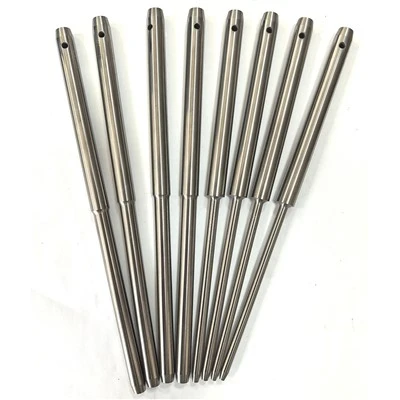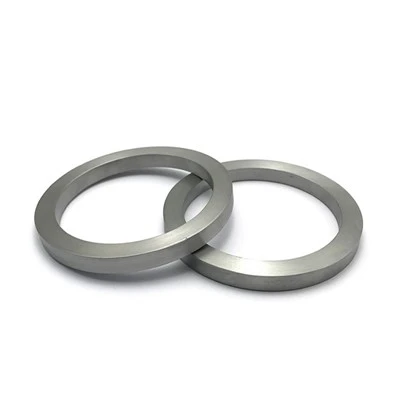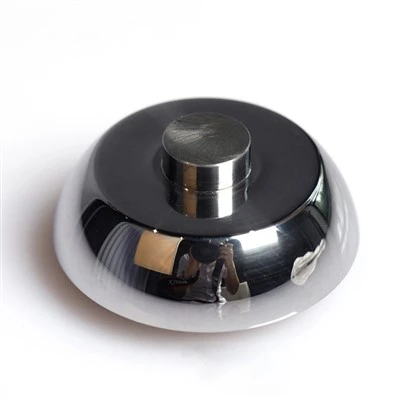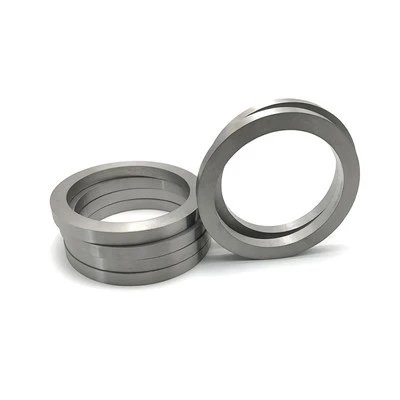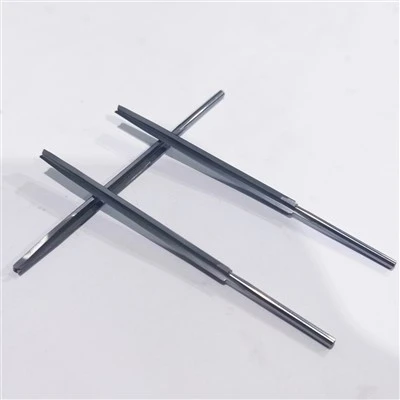

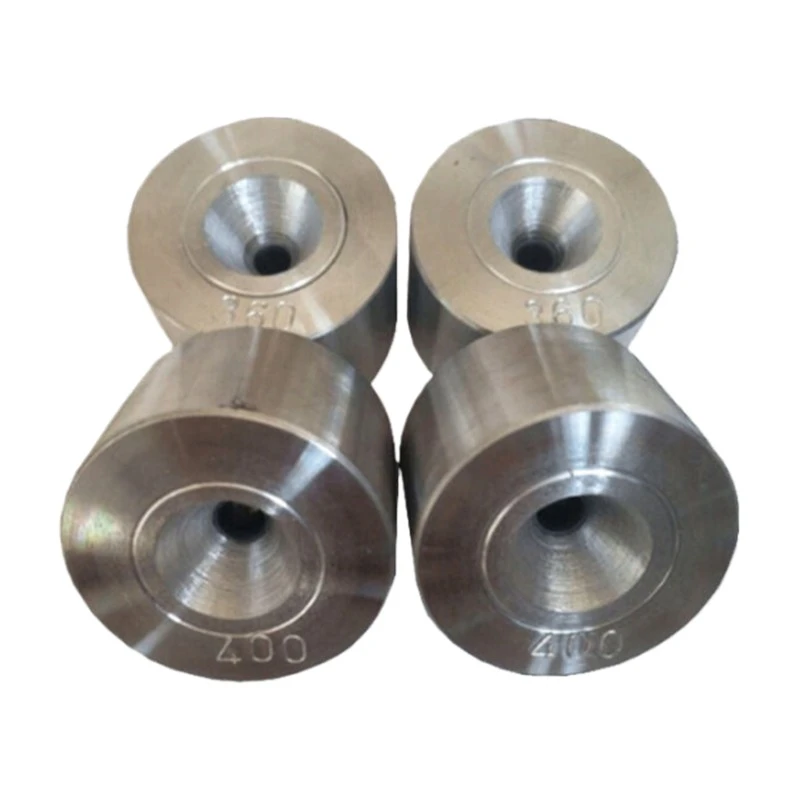

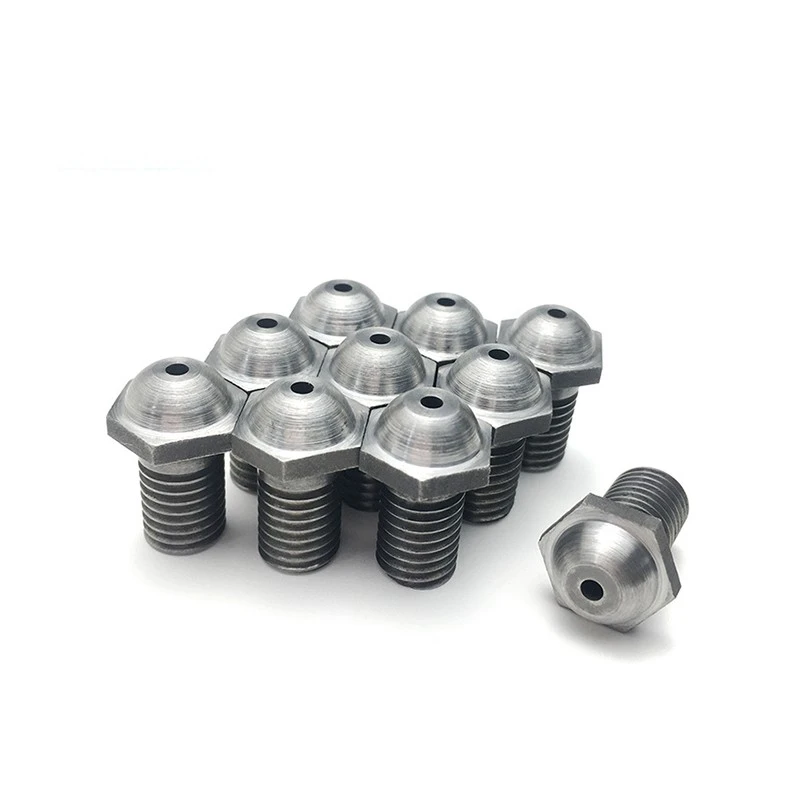
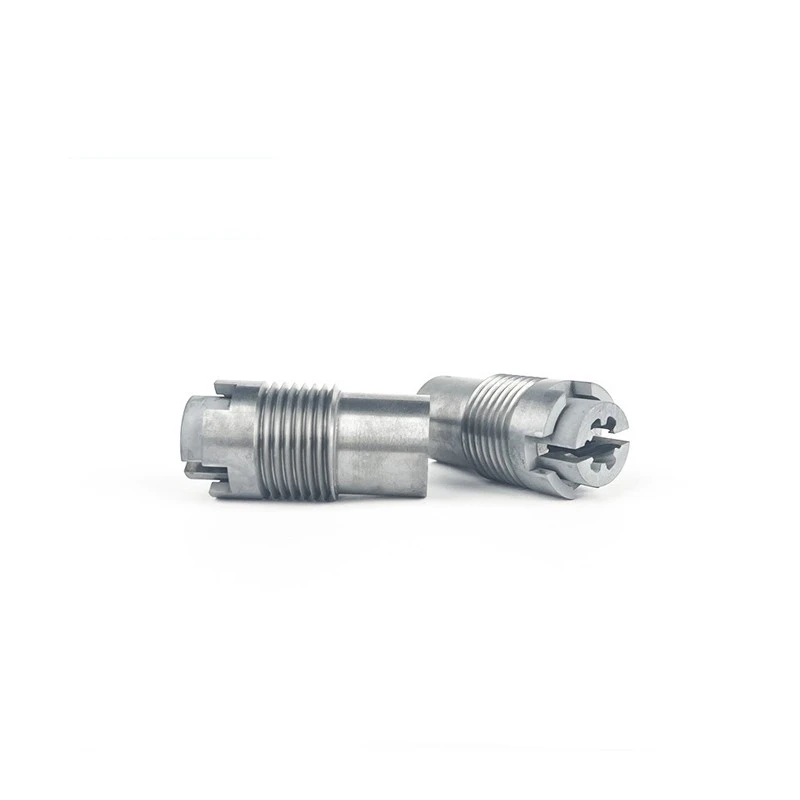
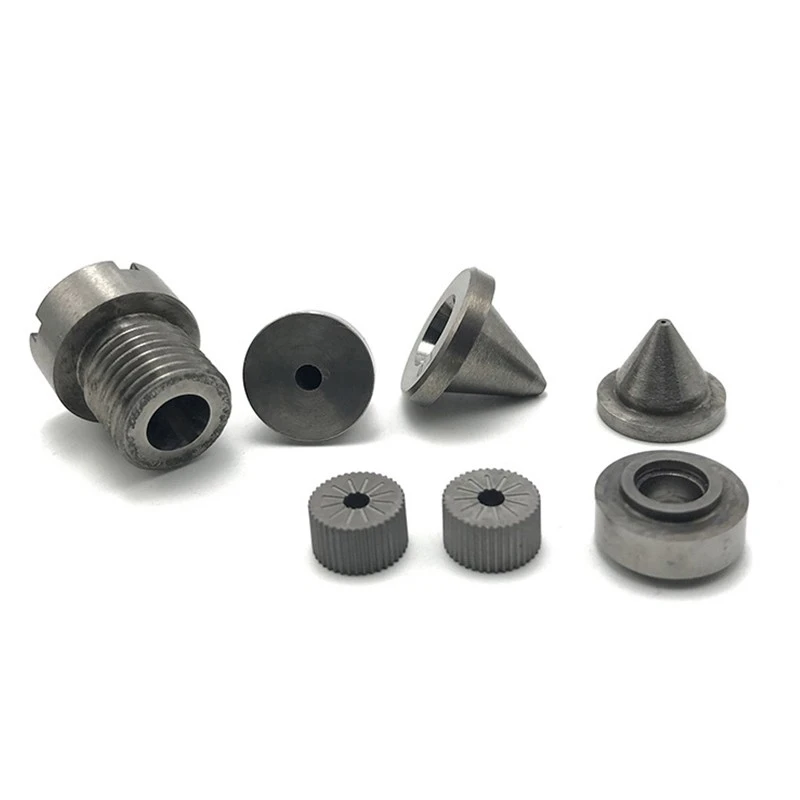
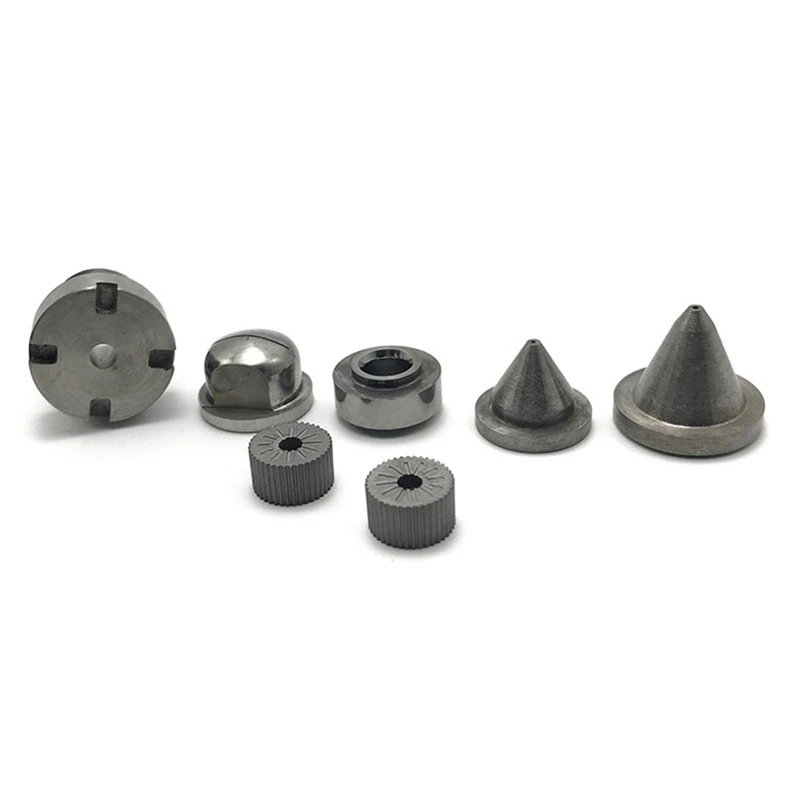
Tungsten carbide nozzle is an industrial nozzle mainly composed of tungsten carbide (WC), manufactured through a hot pressing sintering process. It has a hardness of over HRA90 and an anti-bending strength of 2300N/mm². The processing process includes precision grinding and surface treatment technology, achieving a roughness Ra of 0.1 for the hole wall and Ra of 0.025 at both ends. The design of the inlet curvature radius ensures smooth passage of the thread. The product is divided into straight holes, long conical holes, double Venturi holes, and wide throat holes structures. Among them, the long conical nozzle has a production rate 40% higher than the straight nozzle, and the wide throat nozzle has a wider pressure adaptation range.
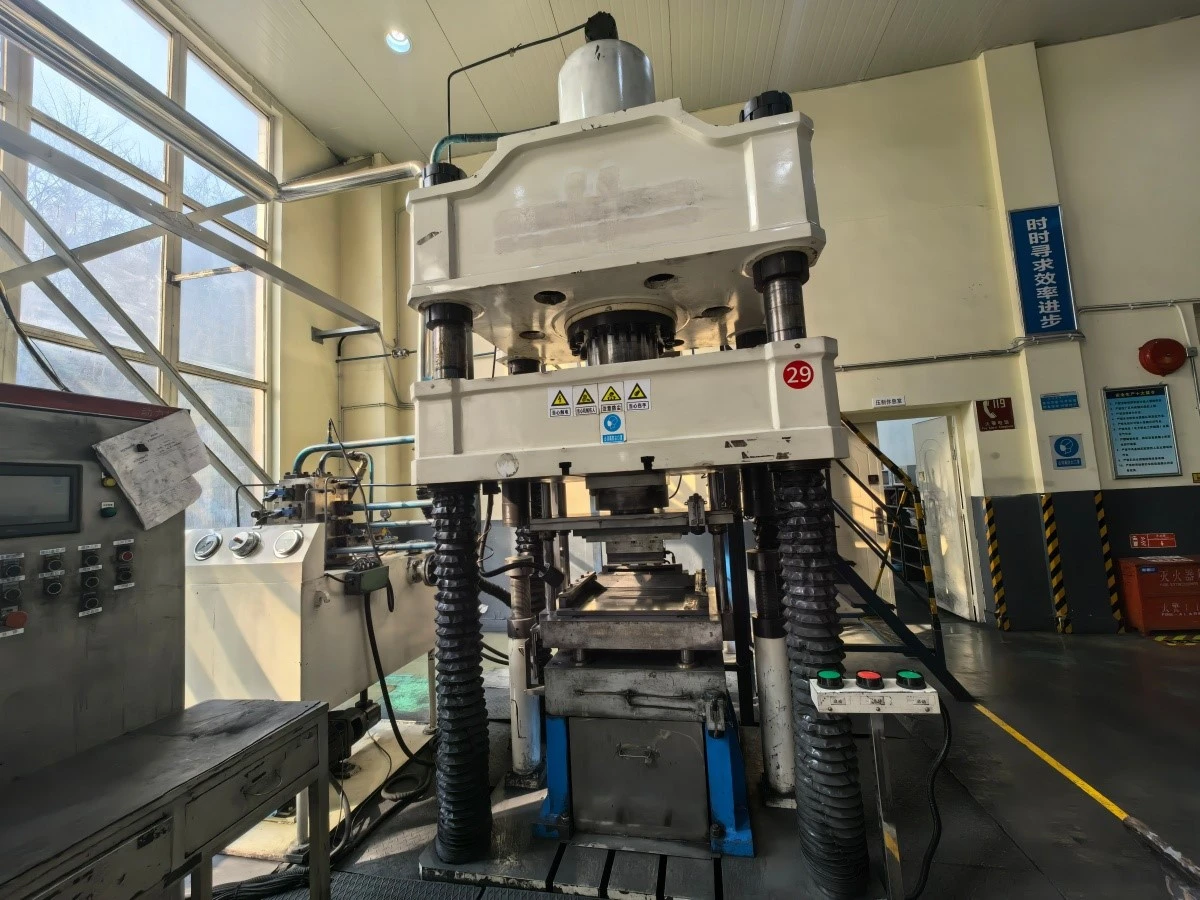
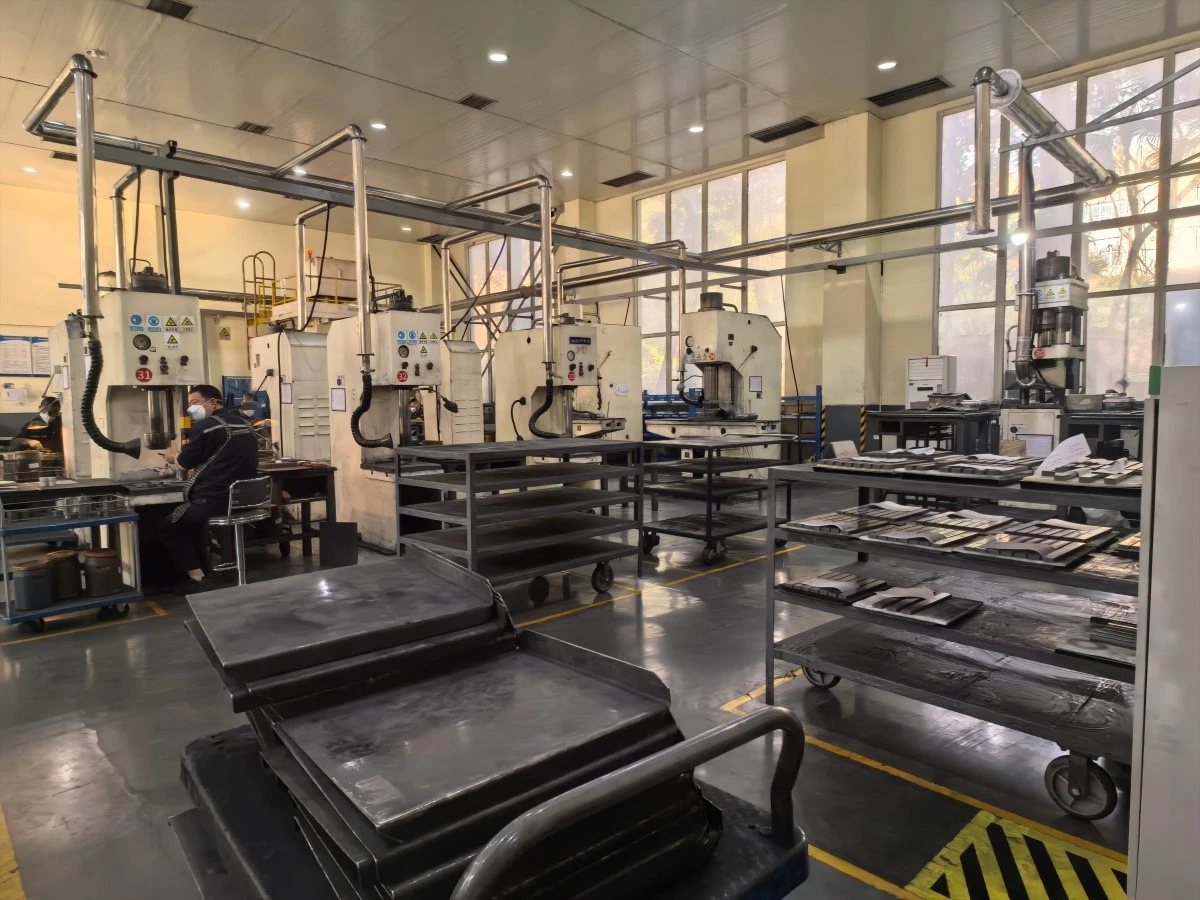
The material density of this nozzle is as low as 14.9g/cm³, with a high temperature resistance of up to 1000℃, and its anti-wear performance is 20-40 times better than that of ceramic oxide nozzles. Compared to ruby nozzles, the hard alloy nozzle eliminates the drilling angle through the overall material processing, significantly improving the problems of bending and clogging, and is suitable for sandblasting, shot blasting equipment, and oil drilling scenarios. In drilling operations, it is used for flushing the drilling fluid, cooling the drill teeth, and assisting in rock breaking, and is also applied in the powder production, rust removal, and atomization processes in the chemical, metallurgical, and construction industries. The production process includes powder preparation, wet grinding, pressing molding, and vacuum sintering, and supports non-standard customized production.

Materials and Properties
The hard alloy nozzles are mainly made of tungsten carbide (WC) and cobalt (Co) through powder metallurgy technology. For example, in the typical YG8 material, the WC content is approximately 92%, and the Co content is approximately 8%.
The material density is approximately 14.4 - 15.0 g/cm³, the hardness can reach HRA 89 - 93 degrees, the bending strength is within the range of 1500 - 3100 MPa, the elastic modulus is approximately 530 GPa, the thermal expansion coefficient is approximately 4.8 × 10⁻⁶/°C, the coercive magnetic force is 4.6 - 6.5 kA/m, and after precise processing, the surface roughness of the inner wall of the hole can reach Ra0.1, and at the R points at both ends, it can reach Ra0.025.
Thanks to its material properties, the hard alloy nozzles have high hardness, high wear resistance, excellent corrosion resistance, good thermal stability and dimensional stability. Their service life far exceeds that of ordinary metal nozzles, and they exhibit remarkable durability and economy in harsh working conditions such as sandblasting.

Manufacturing Process
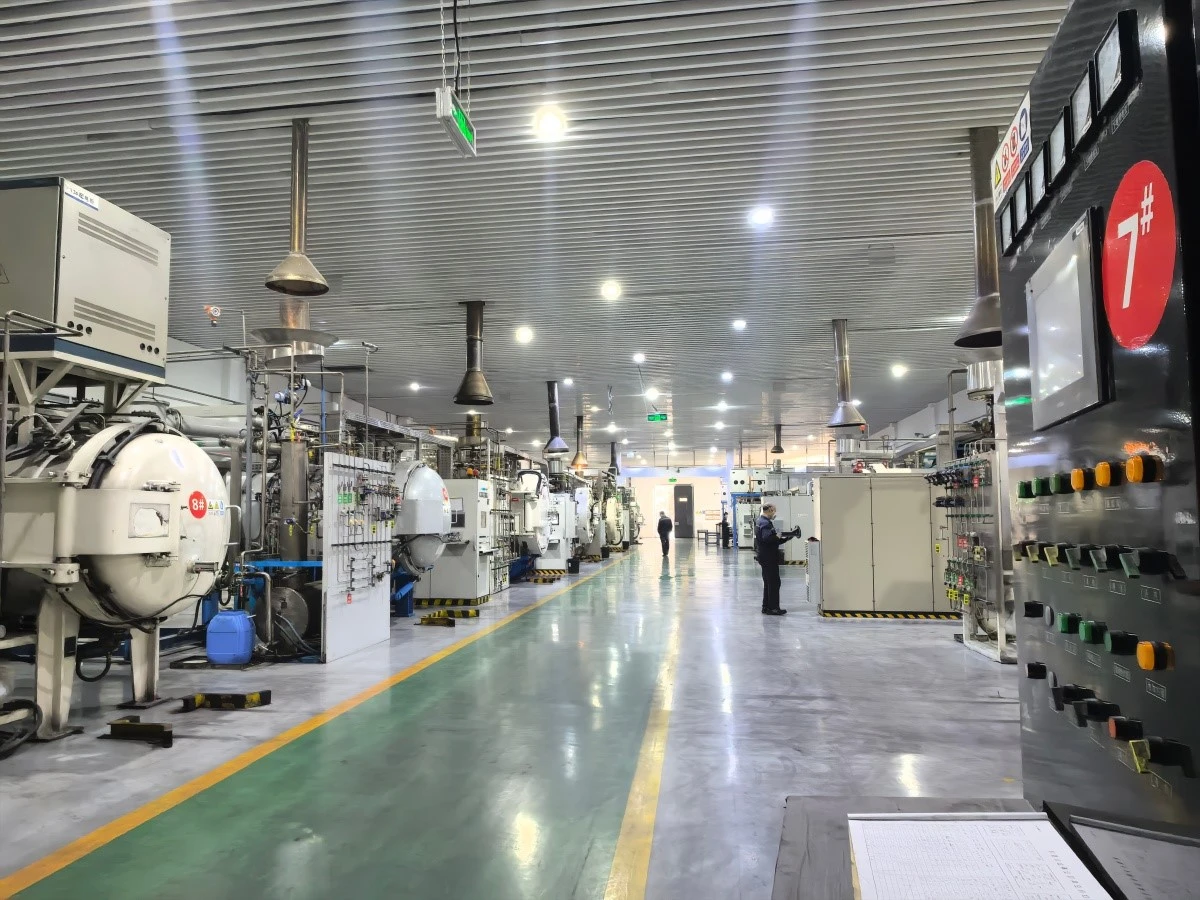
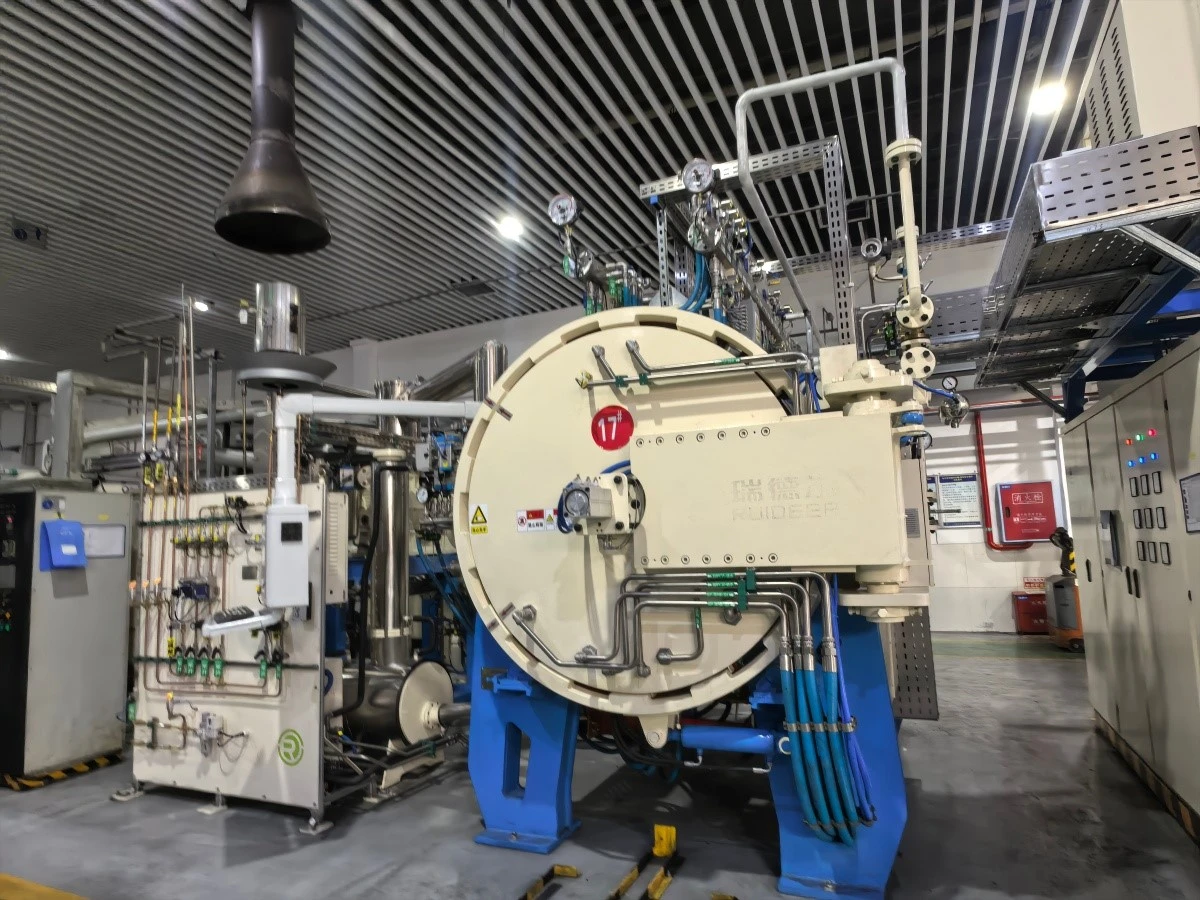
The hard alloy nozzles are mainly produced using the hot pressing sintering process. This process involves applying a certain pressure to the raw material during sintering, heating it from a single-axis direction, and achieving densification quickly by completing both sintering and shaping simultaneously. The hot pressing sintering method is advantageous because the heating and pressure are applied simultaneously, the powder material is in a thermoplastic state, which helps achieve densification. Therefore, it requires lower pressure, lower sintering temperature, and shorter time, and can inhibit grain growth. The resulting product has fine grains, high density, and good mechanical properties. Compared to vacuum sintering, which is prone to large pores and grain growth, hot pressing sintering can also obtain ultra-fine hard alloys through subsequent processing. However, its disadvantages are complex operation process, high equipment requirements, high energy consumption, low production efficiency, and high cost.
After sintering and forming, precise mechanical processing is required, including precision grinding and surface treatment, to achieve a roughness of Ra0.1 on the inner wall of the hole and Ra0.025 at both ends. There is a scientific curvature radius design at the two entrances to ensure the smooth passage of fluids or abrasives and to improve the problems of easy bending and clogging. The hard alloy nozzle is formed by hot pressing sintering of straight holes and conical holes.

Structural Design
Hard alloy nozzles are spraying devices made of hard alloy materials, usually produced through powder metallurgy technology using tungsten carbide (WC) and cobalt (Co), etc. They have a specific orifice design to control the direction, shape and speed of the fluid or abrasive.
In recent years, innovative structural designs that are easy to disassemble and install have emerged. For instance, a utility model patent (CN221016882U) disclosed a structure that includes the nozzle body, connection block one, connection block two and connection component. This design uses sliding-mounted connection blocks in conjunction with the connection mechanism on the side wall to replace the traditional bolt connection method, aiming to solve the problem of relying on specific tools (such as wrenches) during operation, and facilitating manual installation and disassembly.

Type
The shape of the hard alloy nozzle holes determines its airflow pattern. Additionally, based on the spray shape, hard alloy nozzles can be classified into various types such as fan-shaped, conical, liquid column flow (jet), air atomization, flat nozzles, etc., among which conical nozzles can be further divided into hollow and solid types. Venturi nozzles, strong cold (hot) air outlets, and blowing nozzles are examples that reflect their specific operating performance. Nozzles typically have a straight hole or restriction hole.
Straight hole nozzle: The straight hole nozzle can form a sealed airflow pattern for the on-site or internal airflow. Such nozzles are suitable for small-scale operations, such as cleaning parts, weld seam formation, and cleaning materials like handrails, steps, lattices, or stone carvings [13].
Long venturi nozzle: The design characteristics of the long venturi nozzle make it different from the straight hole nozzle in terms of abrasive consumption and productivity.
Venturi hole nozzle: The venturi hole nozzle can form a sufficient airflow pattern, which helps to enhance the grinding speed under a given pressure. Venturi nozzles are suitable for situations that require processing a large surface area to improve operational efficiency.
Double venturi nozzle: Double venturi and wide throat nozzles can be regarded as enhanced versions of long venturi nozzles. The double venturi structure can be considered as setting two nozzles between a group of cracks and holes, allowing the atmosphere to enter the downstream section. The outlet end is usually wider than the traditional nozzle. These designs aim to expand the coverage of the airflow pattern and reduce abrasive loss.
Wide throat nozzle: The wide throat nozzle has a larger outlet and outlet hole. When connected to a matching-sized hose, its design helps to improve operational efficiency. The larger outlet structure enables it to operate with a specific abrasive usage pattern under higher pressure.
Classified by inner diameter and material: The inner diameter specifications of hard alloy nozzles are diverse, including 0.10mm, 0.12mm, 0.15mm, 0.17mm, 0.20mm, 0.25mm, 0.28mm, 0.30mm, etc. To meet high precision and wear resistance requirements, some nozzles will be embedded with natural diamonds or polycrystalline diamonds in key areas.
For narrow areas such as lattice bridges, flange backs, and pipe interiors, angled nozzles can be used for processing. Using angled nozzles allows for operations at specific positions.
Purpose
The hard alloy nozzle is a jetting device made of hard alloy material, featuring extremely high hardness, wear resistance and corrosion resistance. It is suitable for industrial environments where high-pressure and high-speed jetting of fluids or abrasives is required. Due to its excellent comprehensive performance, hard alloy nozzles are widely used in the following fields:
Hard alloy nozzles are widely used in the field of surface treatment, especially in sandblasting and shot blasting equipment, for cleaning, deburring, rust removal, polishing and pre-treatment of workpieces. They are also used in painting, electronics and chemical processes.
In the field of high-pressure fluid technology, hard alloy nozzles are used for high-pressure water jet cutting, high-pressure cleaning, high-pressure spray drying, atomization spraying and coolant jetting. In the petroleum industry, they are used for oil drilling.
In addition, hard alloy nozzles can also be used in other industrial scenarios based on specific requirements, such as wire processing.
To meet diverse industrial needs, many manufacturers offer non-standard customization services for hard alloy nozzles, which can be processed and produced according to the specific drawings and technical requirements of customers.

Advantages
Advantages of carbide nozzles: corrosion resistance, long service life, excellent performance, high cost-effectiveness, and low wear rate.
Carbide nozzles compared to other nozzles: Common nozzle materials include cast iron, ceramics, tungsten carbide, silicon carbide, and boron carbide. Ceramic nozzles are only used for non-aggressive lightweight equipment and abrasive materials in explosion cabinets. Tungsten, silicon, and boron carbide are the most popular for extensive blasting applications due to their long service life. The following lists the comparison of the service life between carbide nozzles and other nozzles.

|
The approximate lifespan per hour |
|||
|
Nozzle Material |
Steel Shot / Gravel |
Sand |
Aluminum Oxide |
|
Tungsten Carbide Nozzle |
500-800 |
300-400 |
20-40 |
|
Alumina Nozzle |
20-40 |
10-30 |
1-4 |
|
Silicon Carbide Nozzle |
500-800 |
300-400 |
50-100 |
|
Boron Carbide Nozzle |
1500-2500 |
750-1500 |
200-1000 |
SPEC
|
Material |
Solid tungsten carbide |
|
Surface |
Blank or Polished |
|
Chemical Composition |
10% Co & 90% WC |
|
Grain Size |
1.2 μm |
|
Hardness (HRA) |
≥90 |
|
Magnetic Force |
23 (KA/M) |
|
T.R.S |
3200 (N/mm2) |
|
Magnetic Saturation |
10.3 (Ms) |
|
Purpose |
Kind of accessories |
|
Density |
14.05 (g/cm3) |
Tungsten Cemented Carbide Grade

Hot Products

Company Information
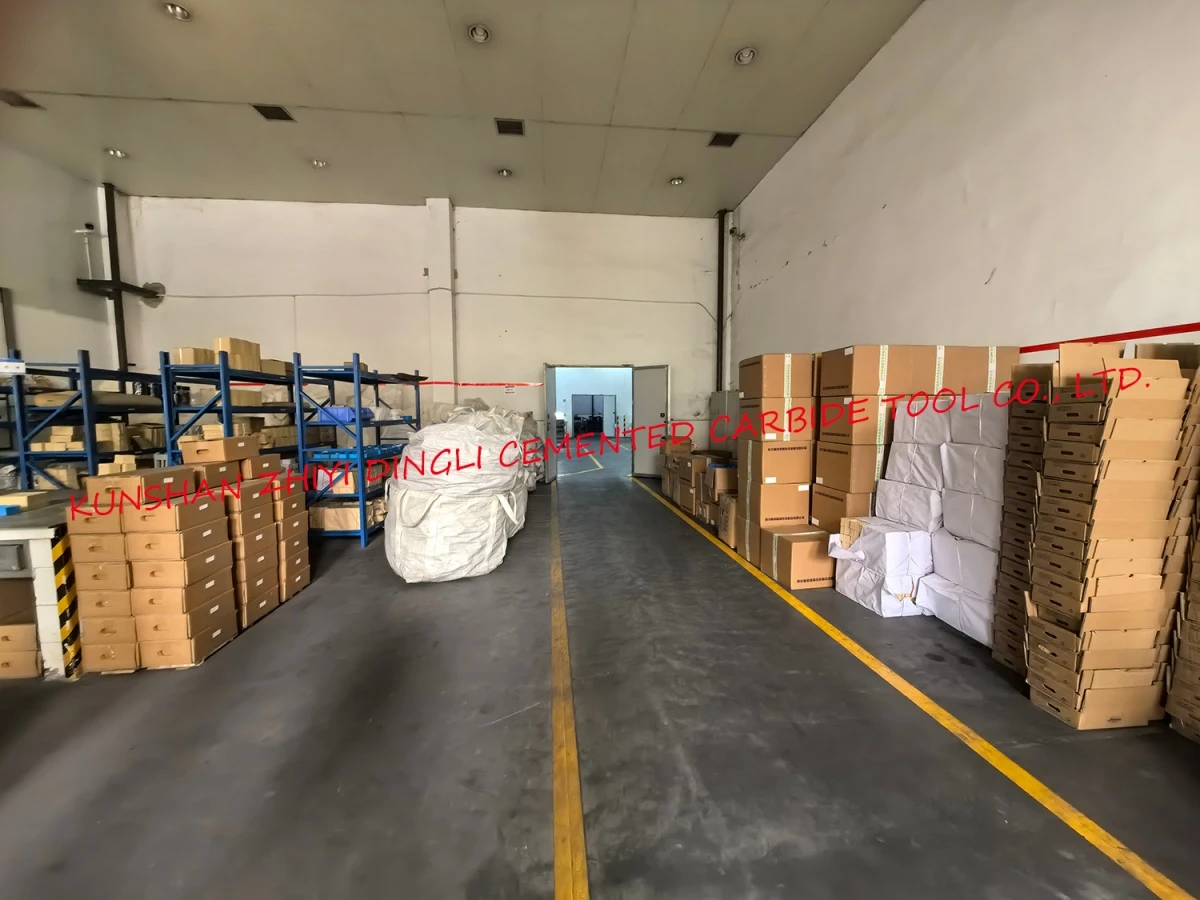
Kunshan Zhiyi Dingli Cemented Carbide Tool Co., Ltd. is a trusted manufacturer of carbide nozzles for sandblasting, water jet cutting, abrasive injection, and spray coating applications. Our nozzles are produced from ultra-wear-resistant tungsten carbide grades that withstand high-velocity abrasive particle erosion, significantly extending service life compared to steel or ceramic nozzles. Available in standard and custom profiles including straight bore, Venturi, and wide-angle designs, our nozzles deliver consistent performance and precise spray patterns for industrial surface treatment.
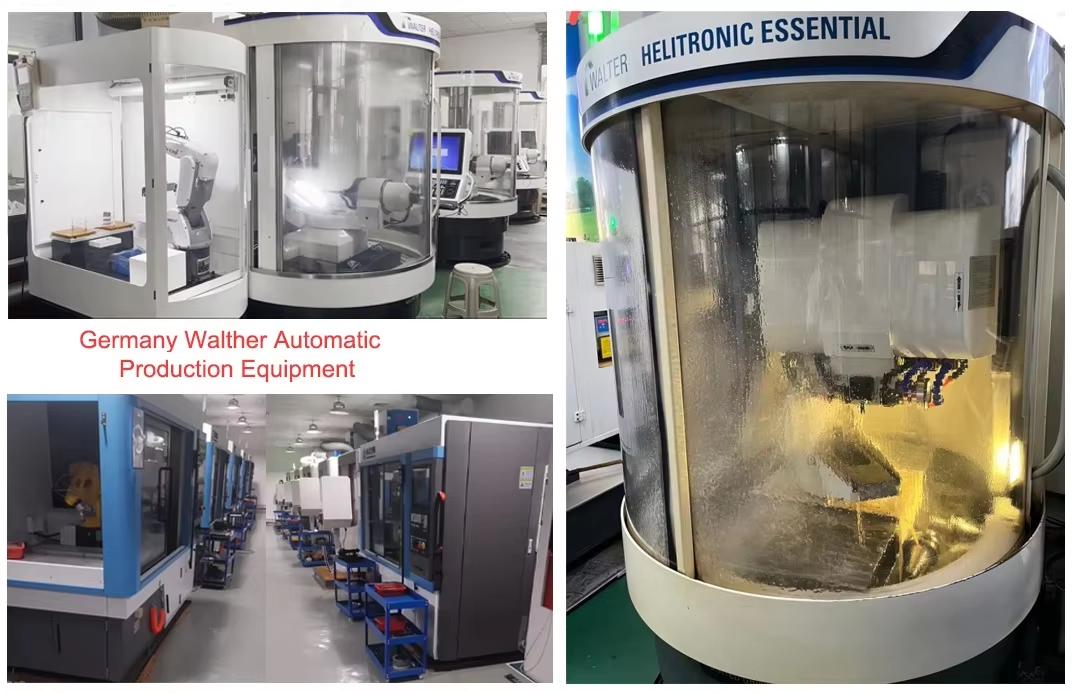
Our factory produces carbide nozzles in over 150 standard profiles including straight bore, Venturi, and wide-angle designs, with custom shapes available from drawings. Using hot isostatic pressing (HIP) and precision machining, we achieve consistent density, hardness, and bore accuracy. Monthly production capacity exceeds 25,000 pieces, serving surface treatment and industrial cleaning customers globally.




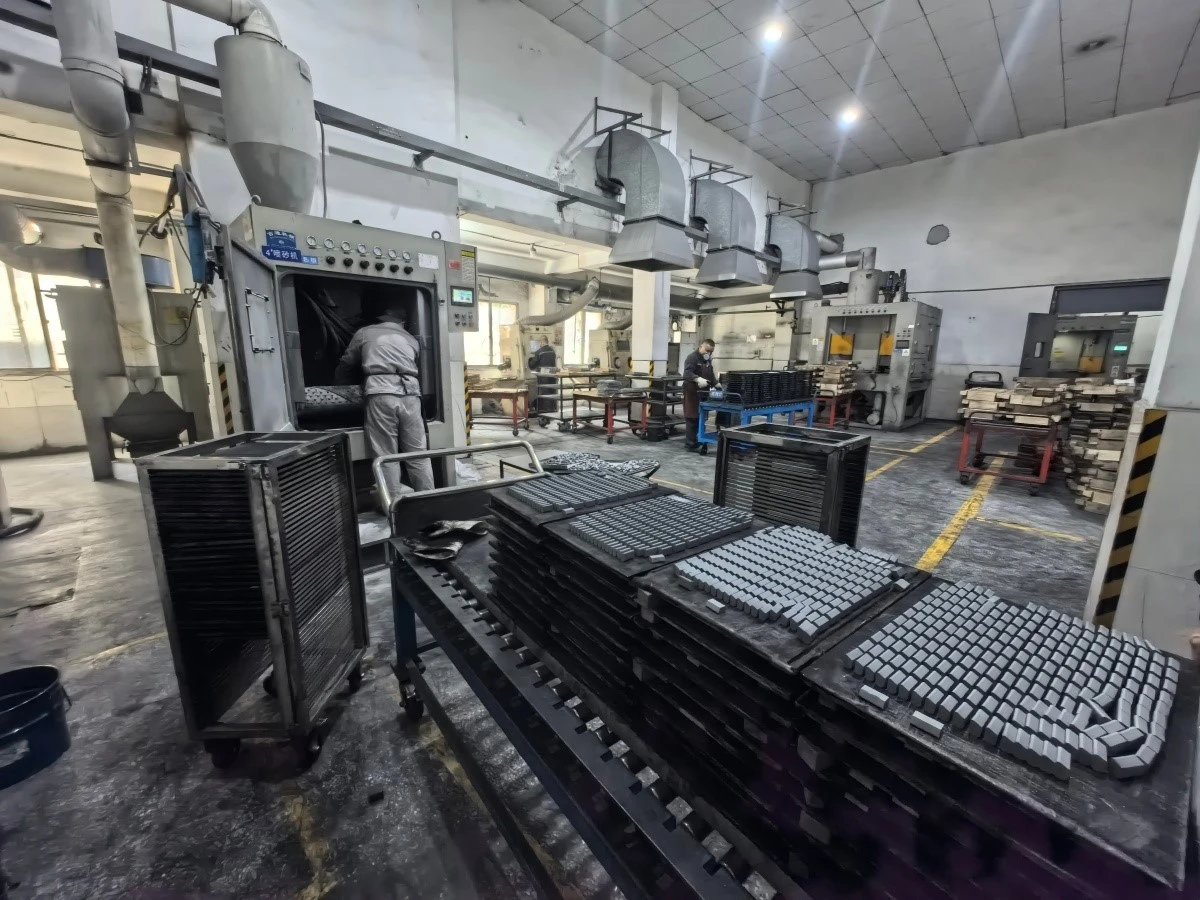
Testing Machine

Production Flow Chart

Packing & Delivery
Packing
1>Put the goods encased with plastic bag or plastic case in wooden box/carton/iron box, etc.
2>Other packing will be accept according to your needs.


FAQ
Q1: What nozzle types do you produce?
A1: Straight bore, Venturi, wide-angle, and custom profiles for sandblasting, water jet, abrasive injection, and spray coating applications.
Q2: How long do your nozzles last?
A2: Our carbide nozzles typically last 5-10 times longer than steel nozzles in abrasive applications.
Q3: Do you offer trial samples?
A3: Yes, we provide samples for testing before volume orders.
About Color Aberration
Product pictures are all physical photography, due to photo-taking technology, light, display parameters, etc., there may be differences between the received physical objects and photos, please refer to the physical.
Cargo Receipt
All our products go through strict inspection and count before shipment. Please check the goods in person when they receive them.
Please refuse to sign and contact us if you find that the CTN number and model is wrong or the product is damaged in transit.
Hot Tags: nozzle, China nozzle manufacturers, suppliers, factory, Carbide Sealing Bushing, Non standard Precision Wear resistant Parts, Nozzle, Oil Well Pump Sshaft Sleeve, Precision Sealing Ring