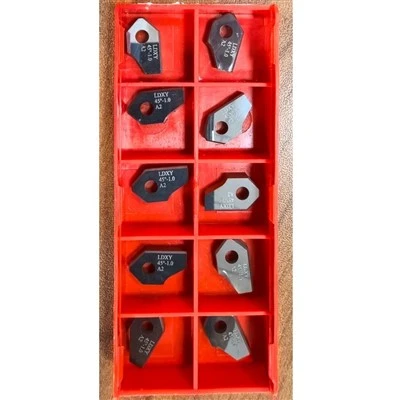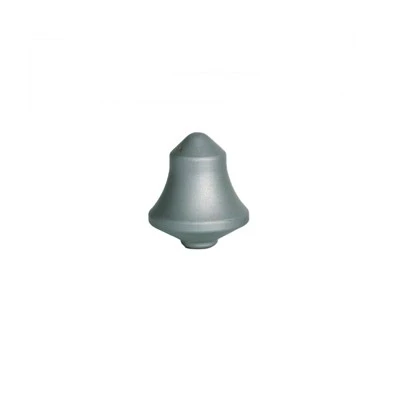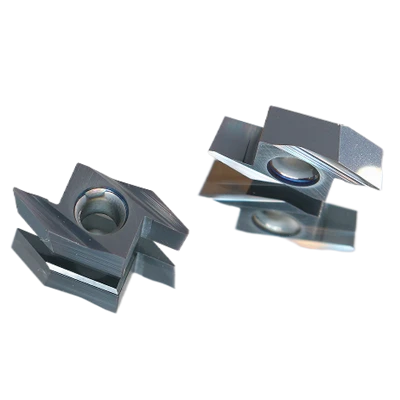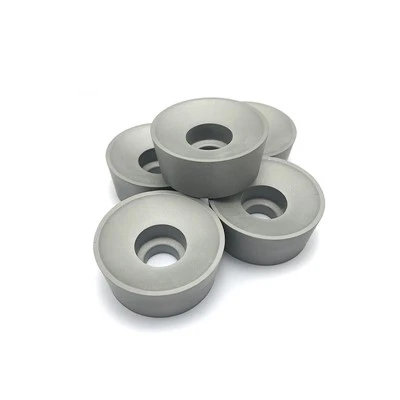


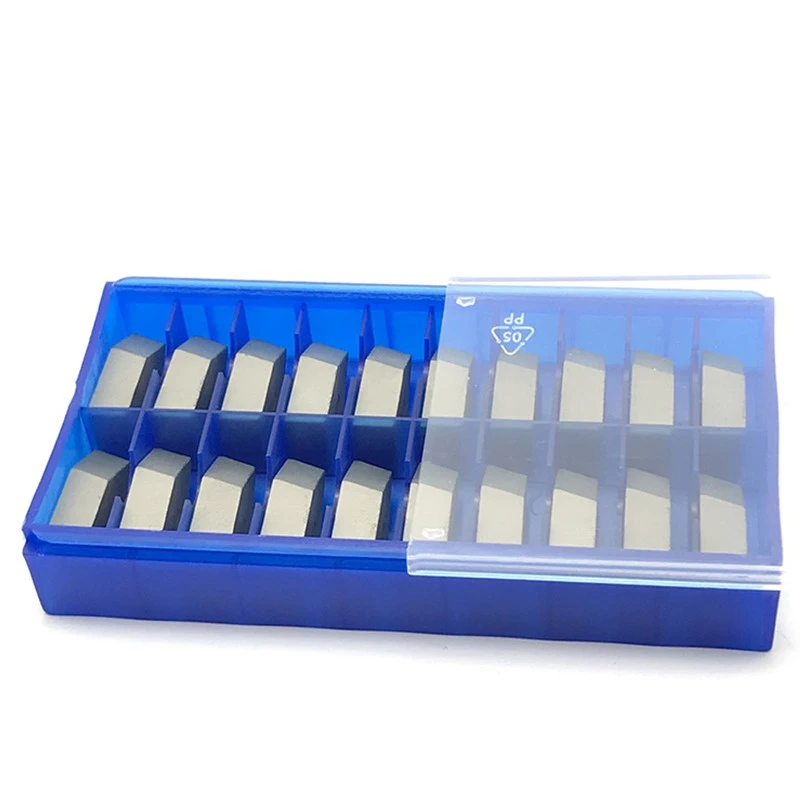
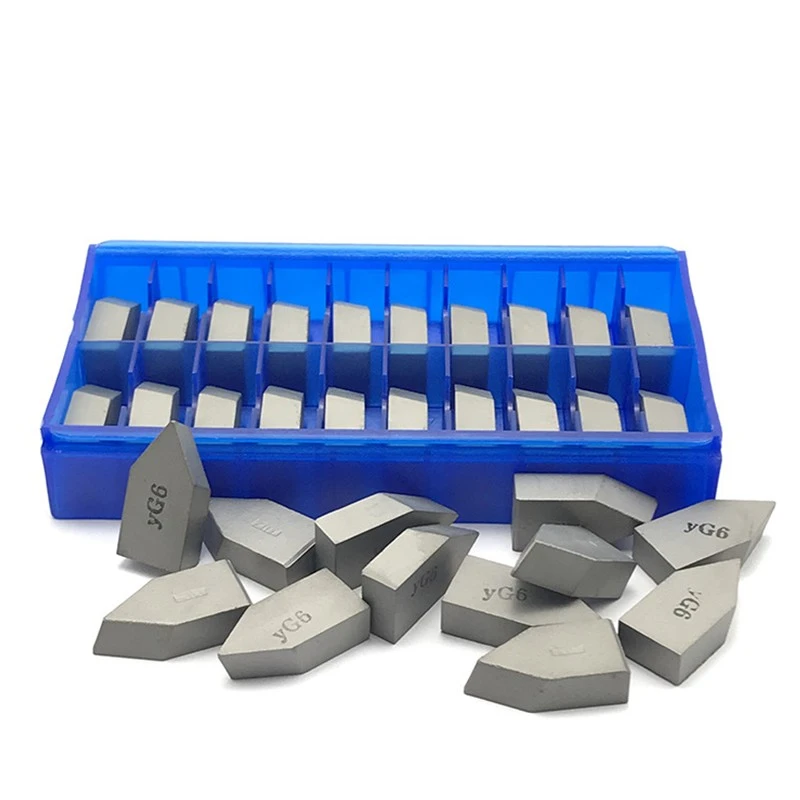
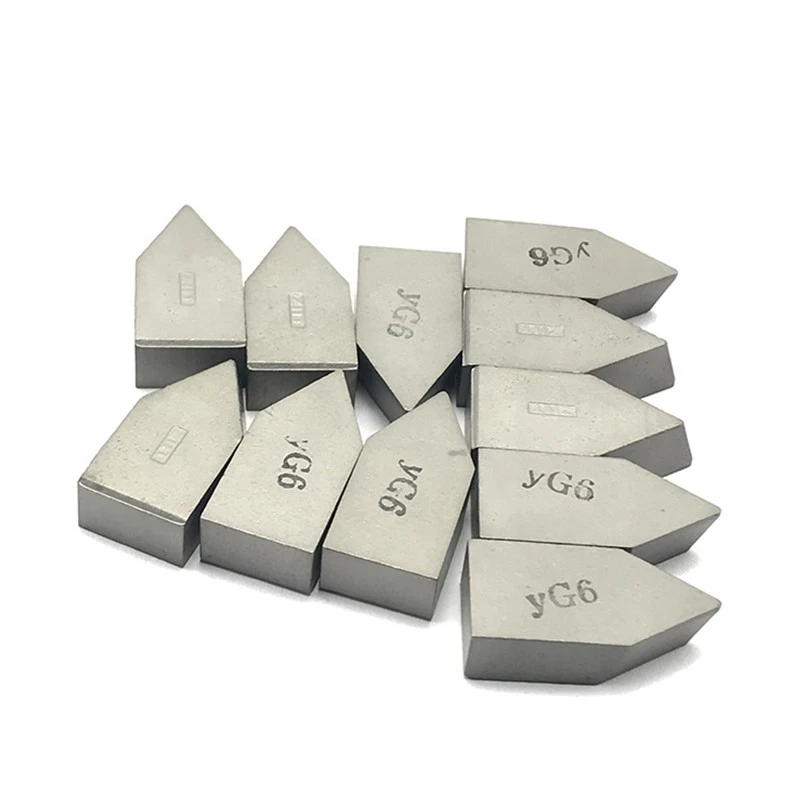
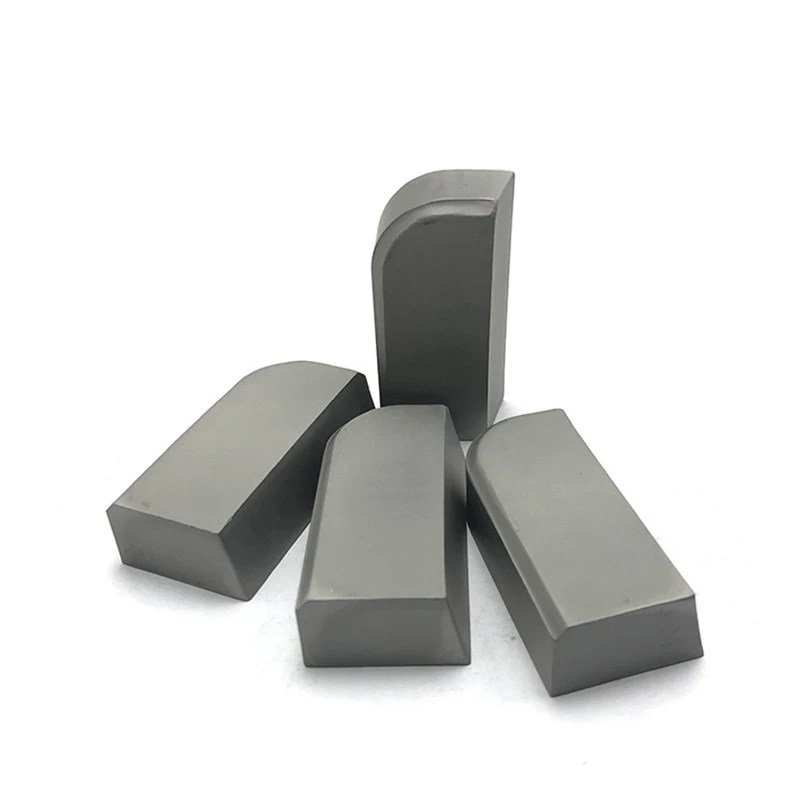
Carbide welding inserts has the characteristics of high hardness and good wear resistance, but it also has the drawbacks of high brittleness and poor toughness. Especially for tungsten carbide welding blades, if the welding process control is improper, it will be found that a large number of tungsten carbide welding blades fail due to cracks during the manufacturing of the tool (in practice, we have found that the highest crack rate can reach 75%). This causes significant losses to the users. Therefore, how to correctly control the welding process of tungsten carbide welding blades and minimize the number of cracks in tungsten carbide welding blades is the knowledge that most tungsten carbide welding blade users urgently need to understand and master!

The welding characteristics of carbide tools
Most tungsten carbide tools are welded onto the base materials of medium carbon steel or low alloy steel for use. The welding process is closely related to the performance of the tungsten carbide and the quality of the welding directly affects the usage effect of the tungsten carbide.
When tungsten carbide is welded to steel, the following characteristics exist.
The Relationship Between Linear Expansion Coefficient and Welding Cracks
The size of cemented carbide is relatively small and is usually fixed on a relatively thick and large steel support material for use. Welding is an effective welding method for connecting cemented carbide and the base metal. The linear expansion coefficient of cemented carbide (4.1 - 7.0 x 10⁻⁶ / °C) is very different from that of ordinary steel (12 x 10-6 / °C). The linear expansion coefficient of cemented carbide is only about 1/3 to 1/2 of that of steel. During heating, both cemented carbide and steel expand freely, but during cooling, the contraction of steel is much greater than that of cemented carbide. At this time, the weld is under pressure, while the surface of the cemented carbide is subjected to tensile stress. If the residual stress is greater than the tensile strength of the cemented carbide, cracks may occur on the surface of the cemented carbide. This is one of the main reasons for the generation of cracks during the welding of cemented carbide.

The relationship between hardness and crack sensitivity
The hardness of tungsten carbides is directly proportional to their wear resistance and welding crack sensitivity. The higher the hardness of the tungsten carbide, the greater the possibility of cracking during welding. Moreover, the tungsten carbides used for general finishing or ultra-finishing processes are prone to cracking during welding. The weld crack sensitivity of different grades of tungsten carbides can be determined based on their hardness and strength. The order from poor to good is as follows: YG series: YG3X - YG3 - YG6A - YG6X - ZK20 - ZK30 YG11
YT Type: YT30 - YW1 - YT726 - YT15 - YW2 - YT14 > YT5
Among these two types of tungsten carbides, from left to right, the hardness and wear resistance gradually decrease, while the strength and toughness increase, and the possibility of welding cracks occurring decreases.


SPEC
|
Material |
Solid tungsten carbide |
|
Surface |
Blank |
|
Chemical Composition |
10% Co & 90% WC |
|
Grain Size |
1.2 μm |
|
Hardness (HRA) |
≥90 |
|
Magnetic Force |
23 (KA/M) |
|
T.R.S |
3200 (N/mm2) |
|
Magnetic Saturation |
10.3 (Ms) |
|
Purpose |
Kind of tools |
|
Density |
14.05 (g/cm3) |
Tungsten Cemented Carbide Grade
Main

Hot Products

Company Information
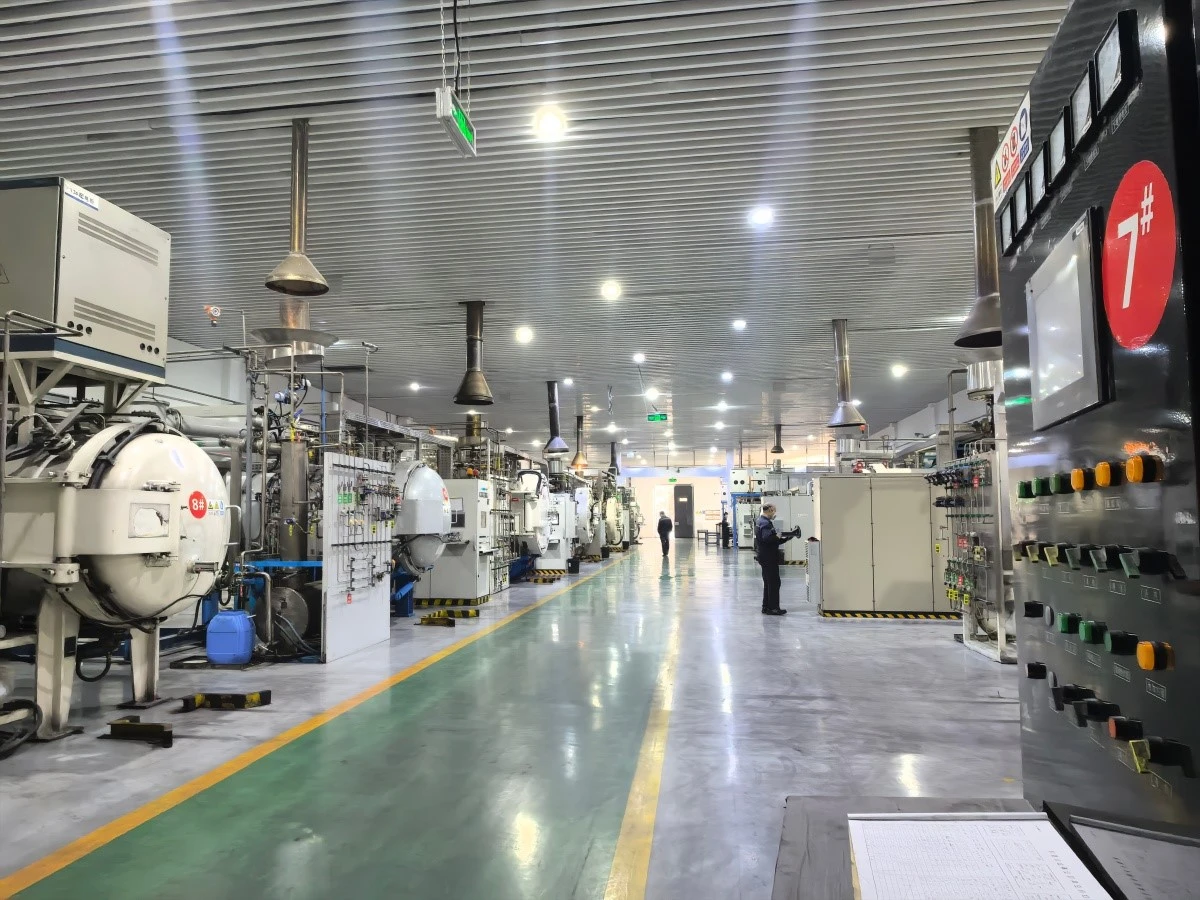
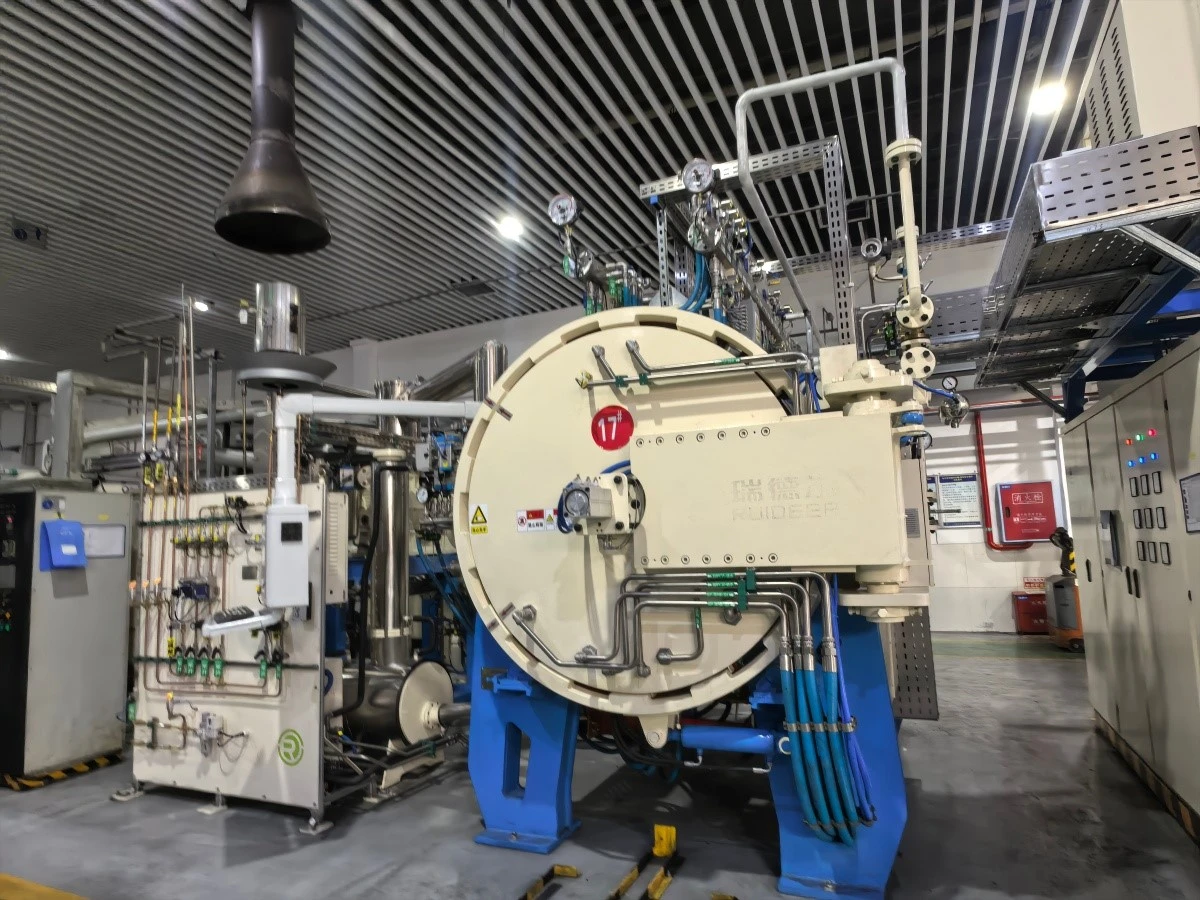
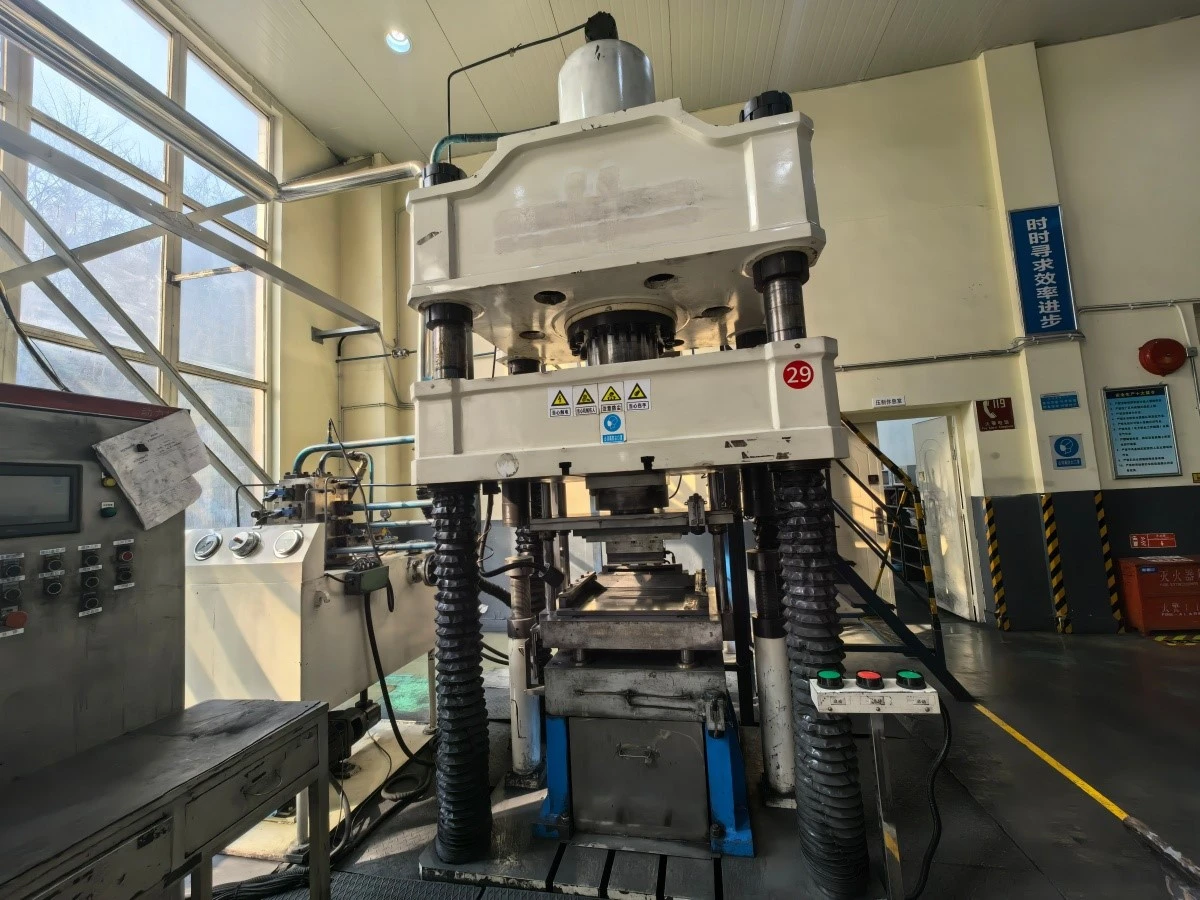
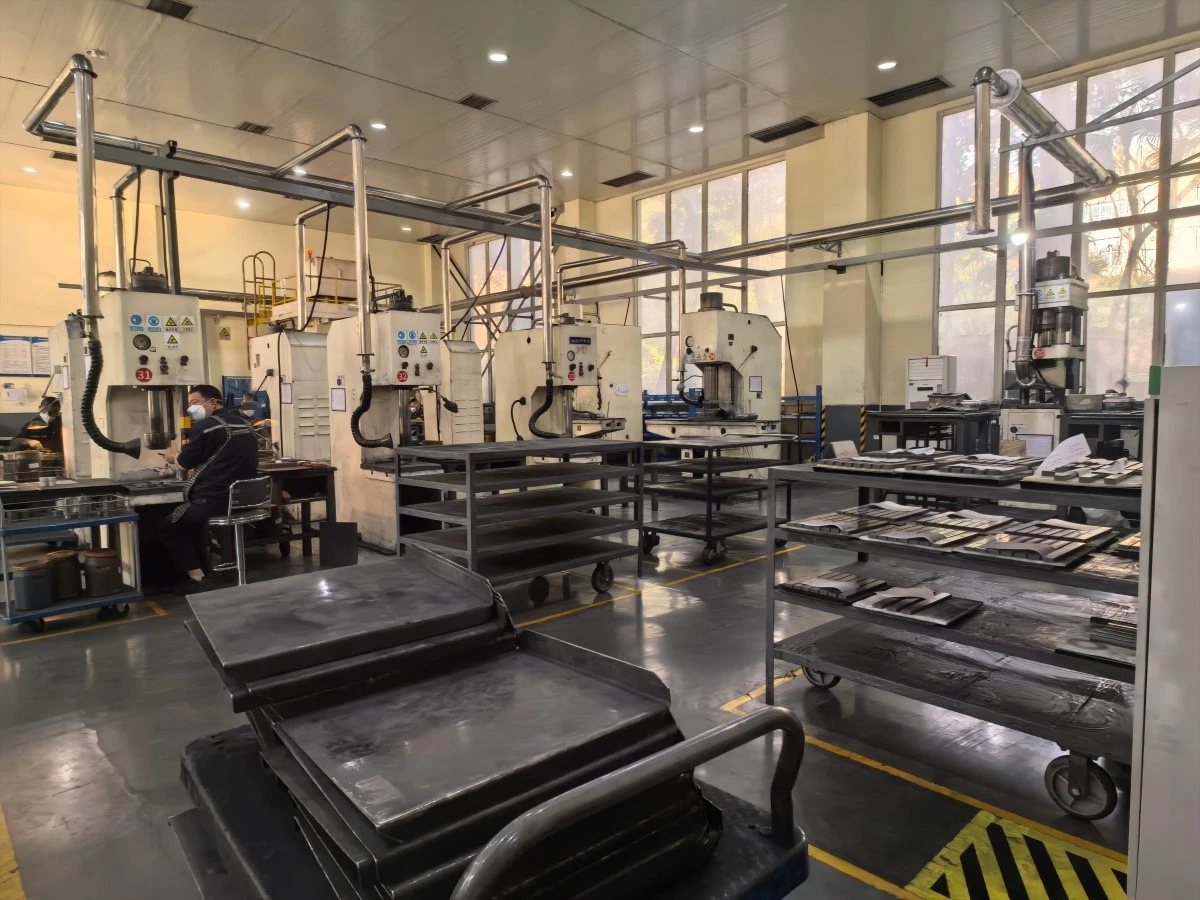
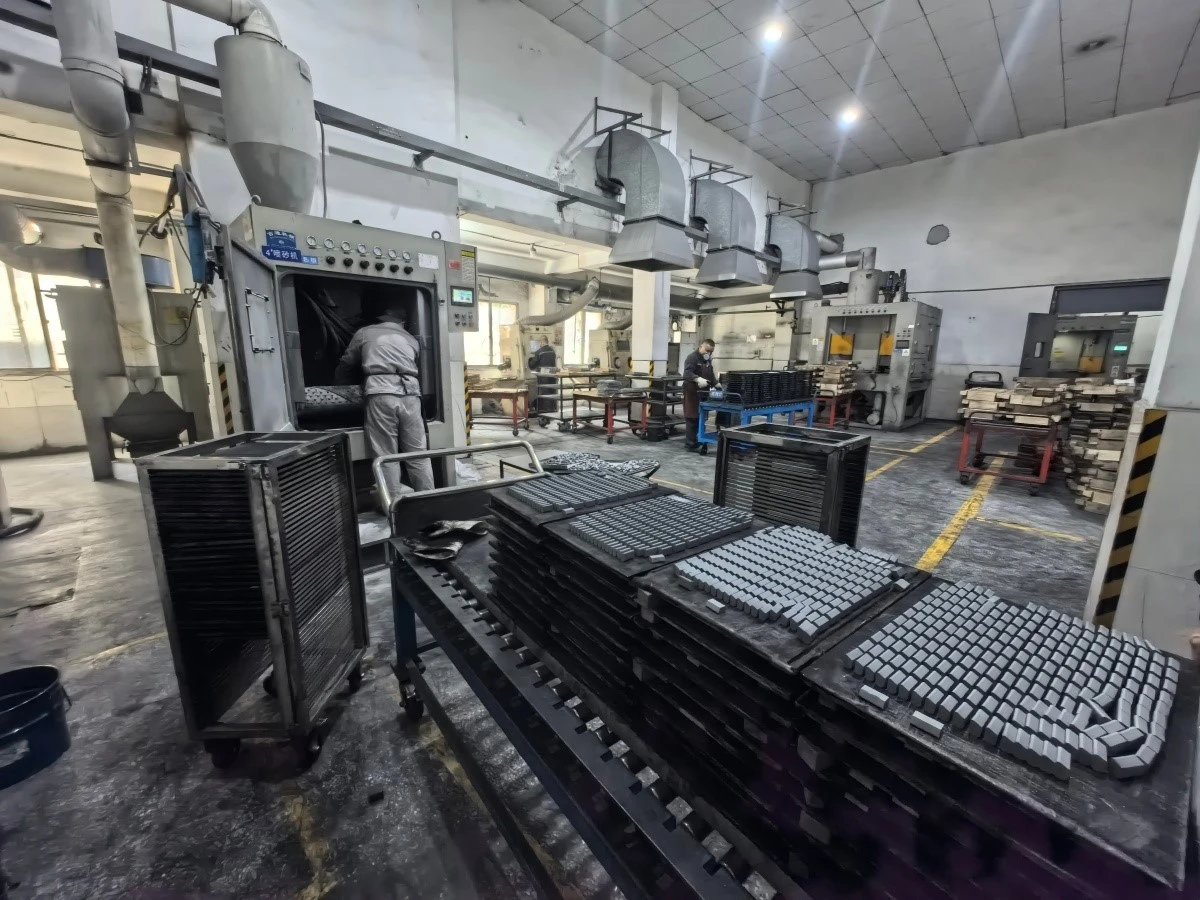
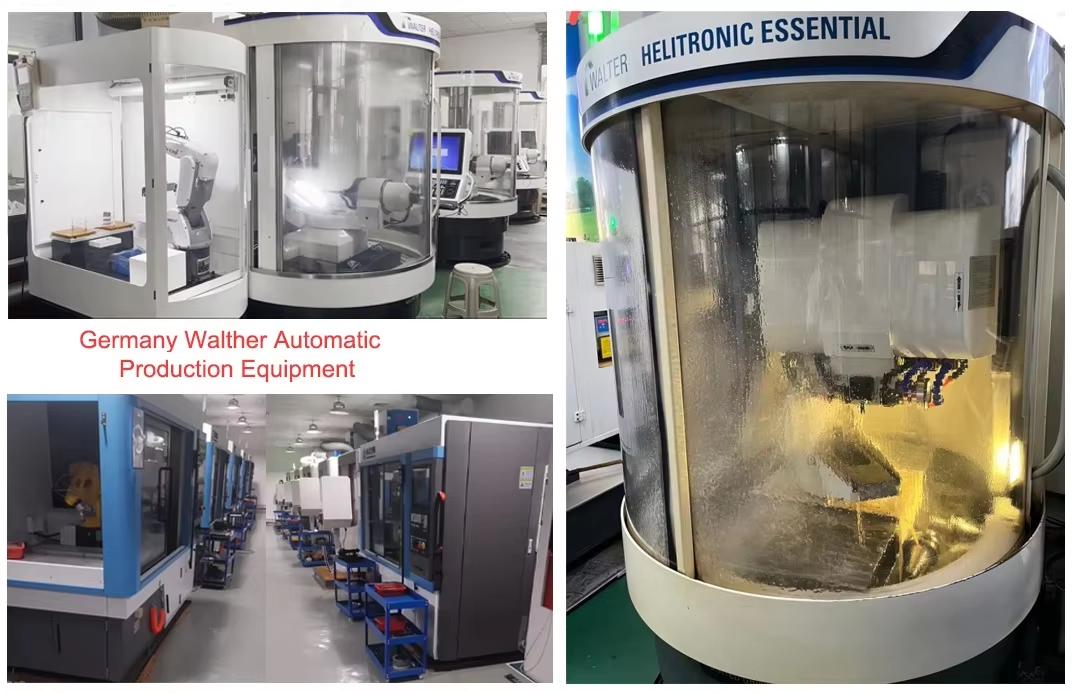
Kunshan Zhiyi Dingli Cemented Carbide Tool Co., Ltd. locates the famous domestic tool and machinery equipment production base - Suzhou. The factory is mainly working on the production and development of all kinds of carbide tools, like end mill, tap, drill bits, carbide pilots. In China, our goal is to become the central base of manufacture of die-casting rods, carbide boring bar, standard cutters, non standard cutters and hard-machining cutters, establishing a good and healthy company image among coterie.
At present,the company can. In general, our products can be used in manufacture of mould, electronics, car engine and accessories, petroleum machinery, machinofacture, etc. We have stable customers, such as the United States, Russia, Indonesia, South Korea, Japan, Australia and so on.




Testing Machine

Production Flow Chart

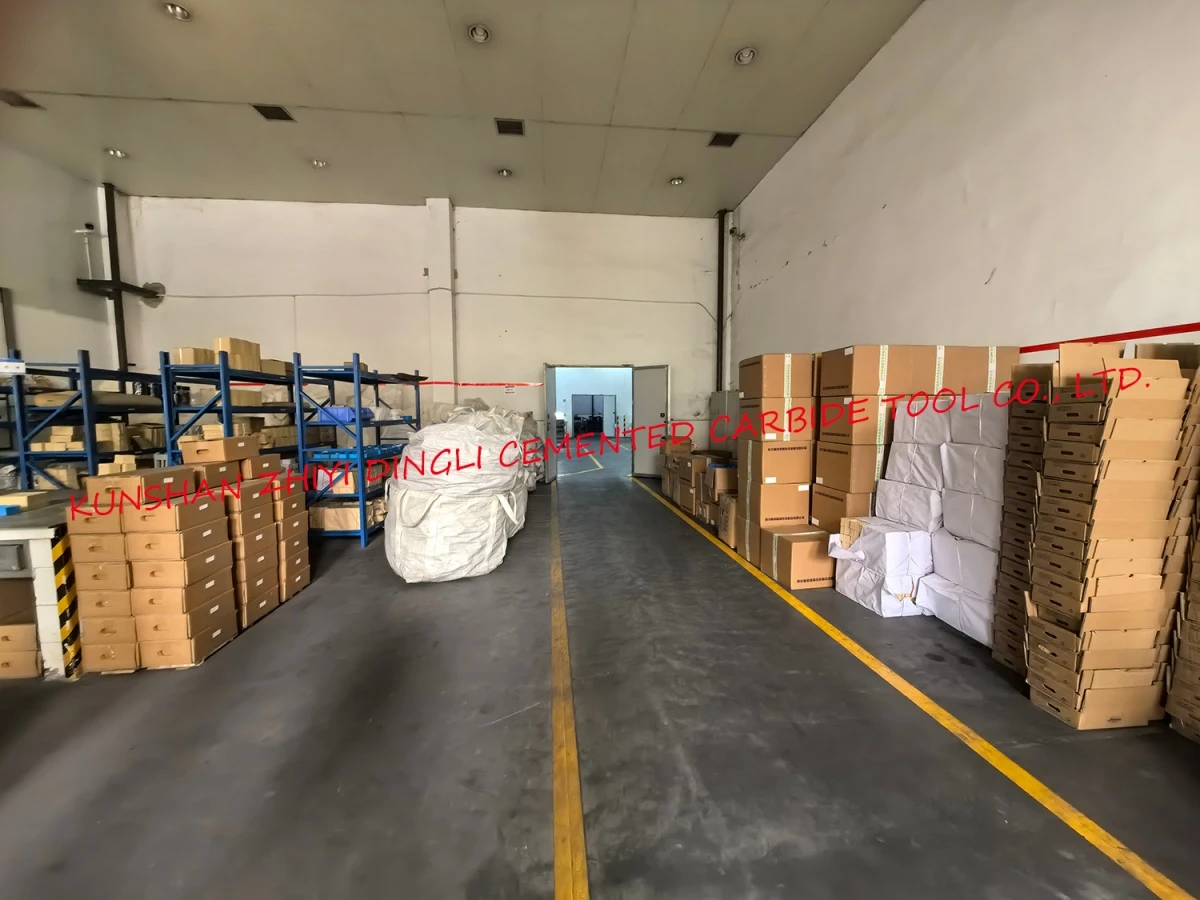
Packing & Delivery
Packing
1>Put the goods encased with plastic bag or plastic case in wooden box/carton/iron box, etc.
2>Other packing will be accept according to your needs.


FAQ
Q1: How long is your delivery period?
A1: It depends on specific conditions. However, it could be 10 to 15 days on average.
Q2: Do you offer samples?
A2: Yes, we do offer samples. However, buyers need to pay for the freight charge. In addition, whether samples are free or not depends on the quantity you buy.
Q3: How do you pack the products?
A3: In general, we use wood, plastic or carton boxes. We also put some soft materials inside to prevent possible damage on products.
Q4: How much advance payment do I need to make?
A4: If the products you buy are in stock, you need to make full payment; if the products are out of stock, you need to make about 50 percent of full payment and then we will start the production process. However, you still need to pay the rest of charges before we deliver the products.
Q5: What kinds of payment do you accept?
A5: In addition to the patterns of payment shown above, you can discuss with us about in which way you would like to pay.

About Color Aberration
Product pictures are all physical photography, due to photo-taking technology, light, display parameters, etc., there may be differences between the received physical objects and photos, please refer to the physical.
Cargo Receipt
All our products go through strict inspection and count before shipment. Please check the goods in person when they receive them.
Please refuse to sign and contact us if you find that the CTN number and model is wrong or the product is damaged in transit.
Hot Tags: carbide welding inserts, China carbide welding inserts manufacturers, suppliers, factory