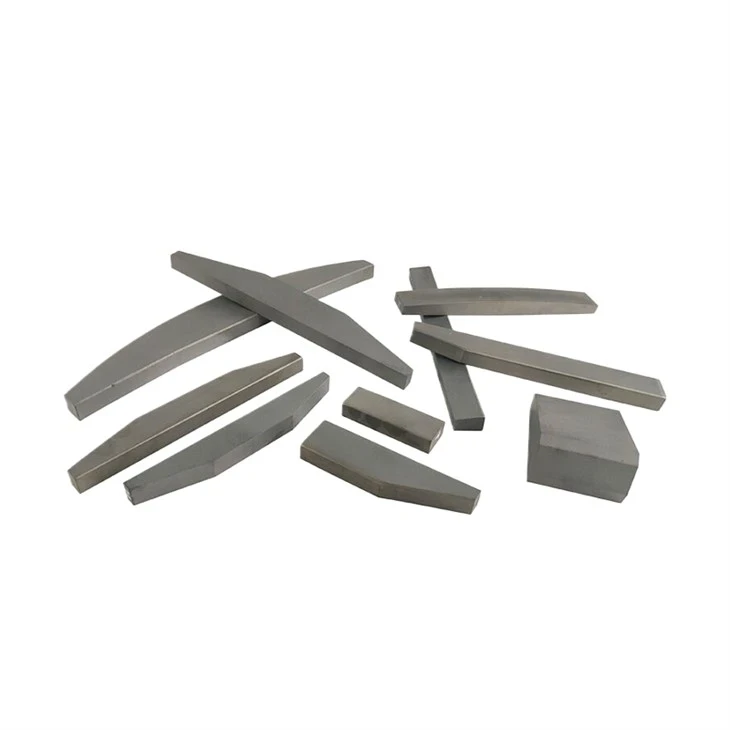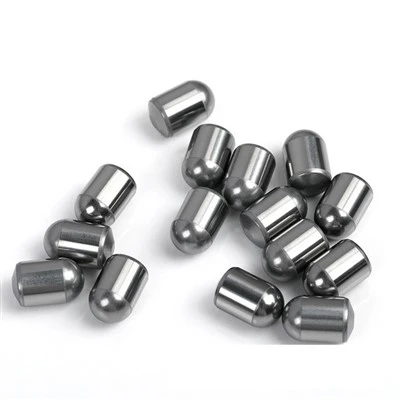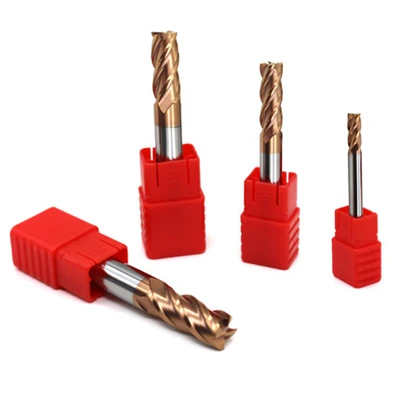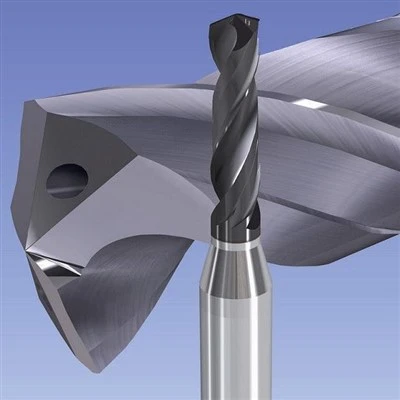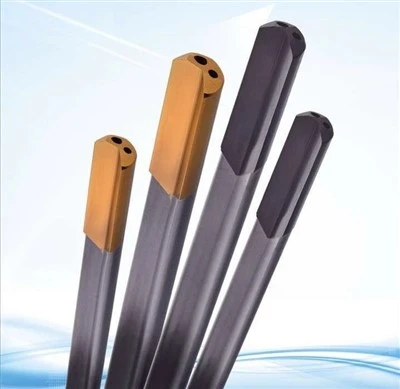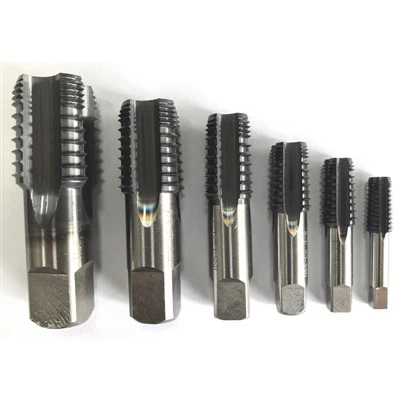
Wear-resistant alloys are alloys developed to improve the wear resistance of mechanical equipment and are the most commonly used alloys for certain typical friction pairs. They have wide applications, including various tool steels, bearing steels, and high-manganese steel and various wear-resistant cast irons used in rock drilling and crushing machinery.
Wear-resistant alloy steels are used in mining conditions involving abrasive wear under certain impact loads. They refer to steels with other elements intentionally added to meet specific performance requirements. Elements added to improve hardness, toughness, hardenability, and other comprehensive performance indicators are called alloying elements. Examples of alloying elements include chromium (Cr), nickel (Ni), molybdenum (Mo), copper (Cu), silicon (Si), manganese (Mn), vanadium (V), titanium (Ti), rare earth elements (Re), tungsten (W), and boron (B). Even some harmful elements, such as sulfur (S) and phosphorus (P), can be called alloying elements under specific environmental conditions to meet special requirements. Wear-resistant alloy steels are broadly classified into five categories: austenitic manganese steel, medium-chromium steel, low-alloy steel, and graphite steel, each suitable for different mining conditions.