Materials used in cutting tools must possess high high-temperature hardness and wear resistance, necessary bending strength, impact toughness, and chemical inertness, good machinability (cutting, forging, and heat treatment), and be resistant to deformation.
Generally, high material hardness correlates with high wear resistance; high bending strength also correlates with high impact toughness. However, the higher the material hardness, the lower its bending strength and impact toughness. High-speed steel, due to its high bending strength, impact toughness, and good machinability, remains the most widely used cutting tool material, followed by cemented carbide.
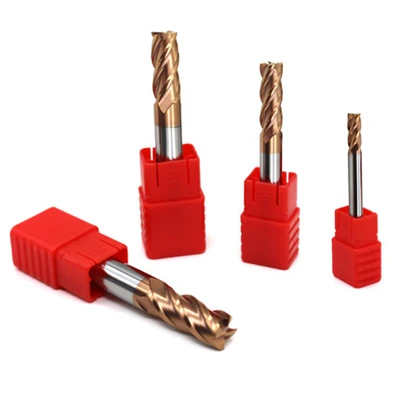
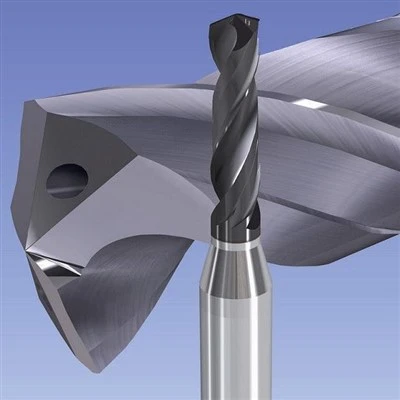
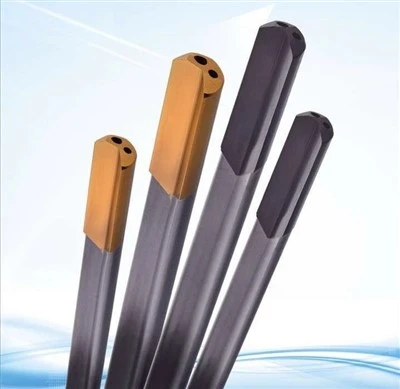
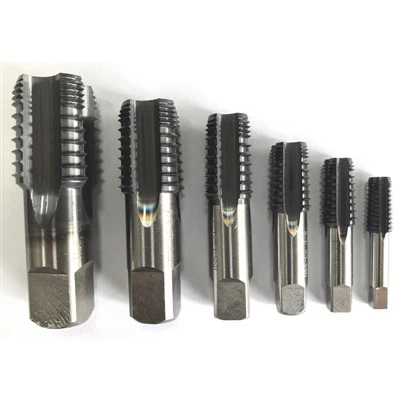
The performance of cutting tool materials primarily revolves around a balance between three key characteristics: wear resistance, toughness (resistance to chipping), and high-temperature hardness (the property of maintaining hardness and chemical stability at high temperatures). High-speed steel has high toughness but low hardness, while PCD has high hardness but low toughness. Cemented carbide (supercarbide) achieves a good balance between hardness and toughness and exhibits high tolerance to high cutting temperatures, thus gaining widespread application. Vanadium (V) content affects wear resistance, molybdenum (Mo) content affects toughness, and the addition of cobalt (Co) helps to improve high-temperature hardness . Polycrystalline cubic boron nitride is suitable for cutting high-hardness hardened steel and hard cast iron, etc.; polycrystalline diamond is suitable for cutting non-ferrous metals, alloys, plastics and fiberglass, etc.; carbon tool steel and alloy tool steel are only used as tools such as files, dies and taps. Polycrystalline diamond (PCD) and polycrystalline cubic boron nitride (PCBN) are collectively referred to as superhard tool materials. They have extremely high hardness, wear resistance, excellent thermal stability and good thermal conductivity. PCD is good at machining non-ferrous metals and non-metallic materials, while PCBN is specifically used for machining high-hardness ferrous metal materials. With these properties, superhard tools are widely used in high-speed, dry cutting and difficult-to-machine materials. Their research and development and industrialization level has become one of the key indicators for measuring the comprehensive strength of the manufacturing industry. Carbide indexable inserts have been coated with titanium carbide, titanium nitride, alumina hard layers or composite hard layers by chemical vapor deposition. The developing physical vapor deposition method can be used not only for cemented carbide tools, but also for high-speed steel tools, such as drills, hobs, taps and end mills. Hard coatings act as barriers to hinder chemical diffusion and heat conduction, which slows down the wear rate of tools during cutting. The life of coated inserts is about 1 to 3 times longer than that of uncoated inserts. Coating technology has become one of the three core technologies constituting modern cutting tools. Multi-component composite coatings such as TiAlN, TiAlCN, and CrSiN, as well as multi-layer coatings, which have emerged from the multi-element alloying of film materials and the diversification of coating process combinations, have enabled tools to obtain good comprehensive properties such as high wear resistance, low friction, good thermal stability and strong oxidation resistance. The microstructure of nano-components and nano-thin film coatings has provided new solutions for the cutting of difficult-to-machine materials. Diamond coatings and diamond-like carbon (DLC) coatings have achieved good results in machining graphite parts and fiber-reinforced non-metallic materials and non-ferrous alloy materials . Due to the increasing use of difficult-to-machine materials in parts operating under high temperature, high pressure, high speed, and corrosive fluid media, the automation level of cutting processes and the requirements for machining accuracy are becoming increasingly stringent. To adapt to this situation, the development direction of cutting tools will focus on developing and applying new tool materials; further developing vapor deposition coating technology for tools to deposit coatings with higher hardness on high-toughness, high-strength substrates, better resolving the contradiction between the hardness and strength of tool materials; further developing the structure of indexable tools; improving the manufacturing precision of tools, reducing product quality variations, and optimizing tool usage.
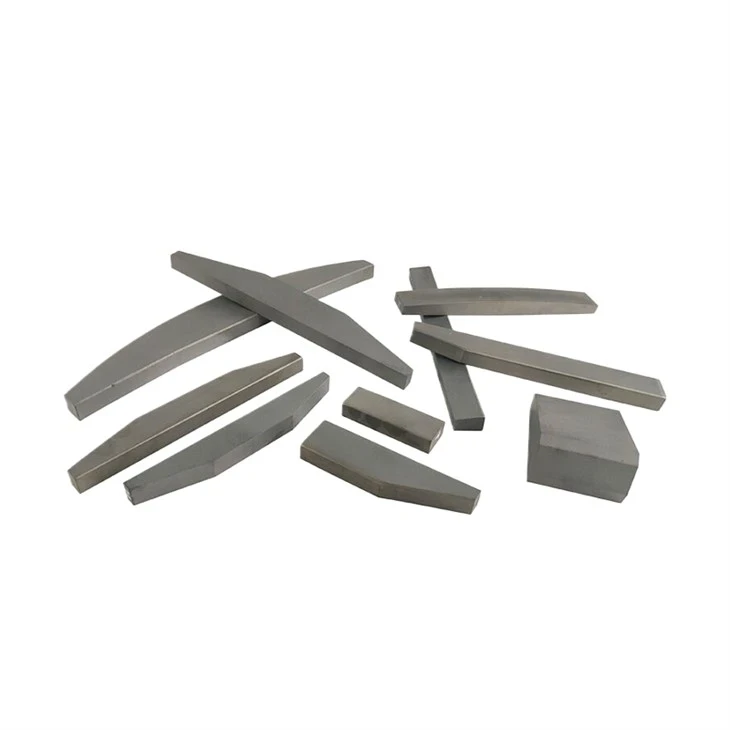
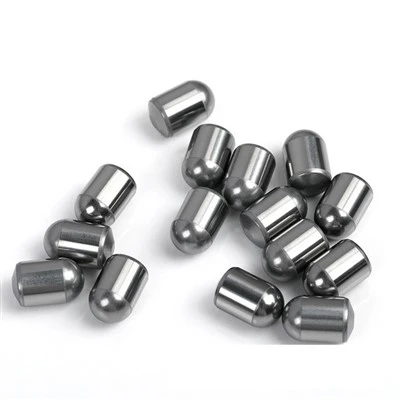
Tool materials can be broadly categorized as follows: high-speed steel, cemented carbide, cermet, ceramics, polycrystalline cubic boron nitride, and polycrystalline diamond.