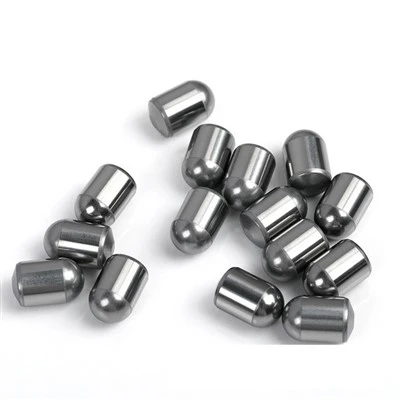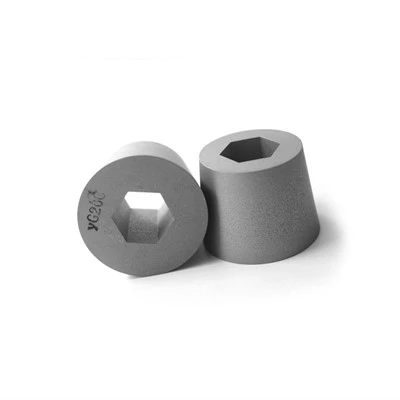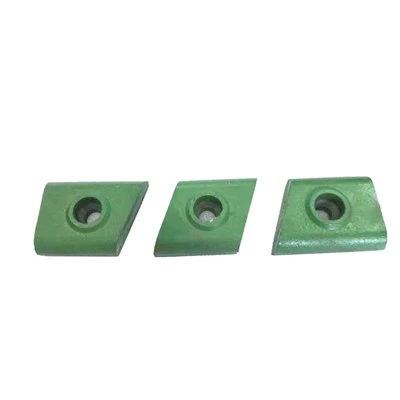

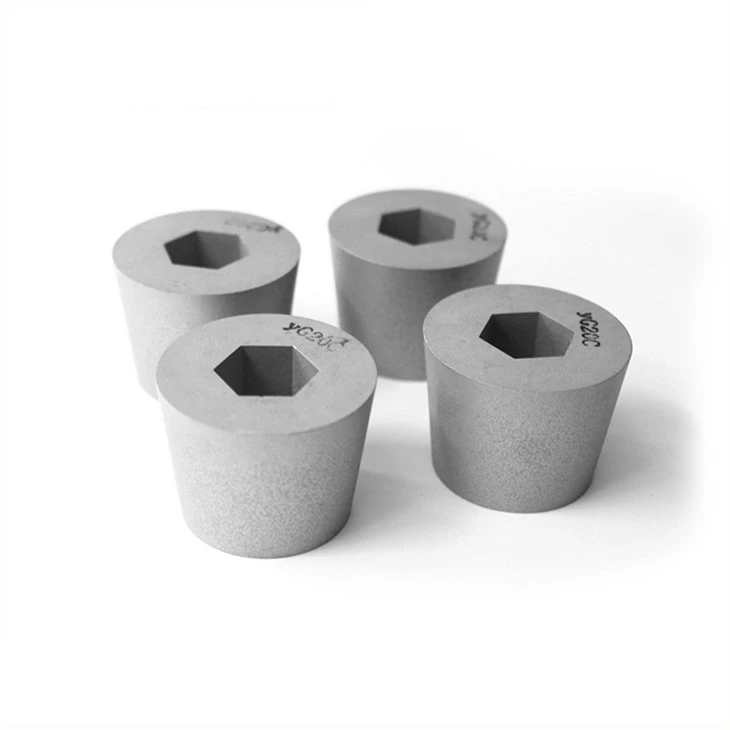

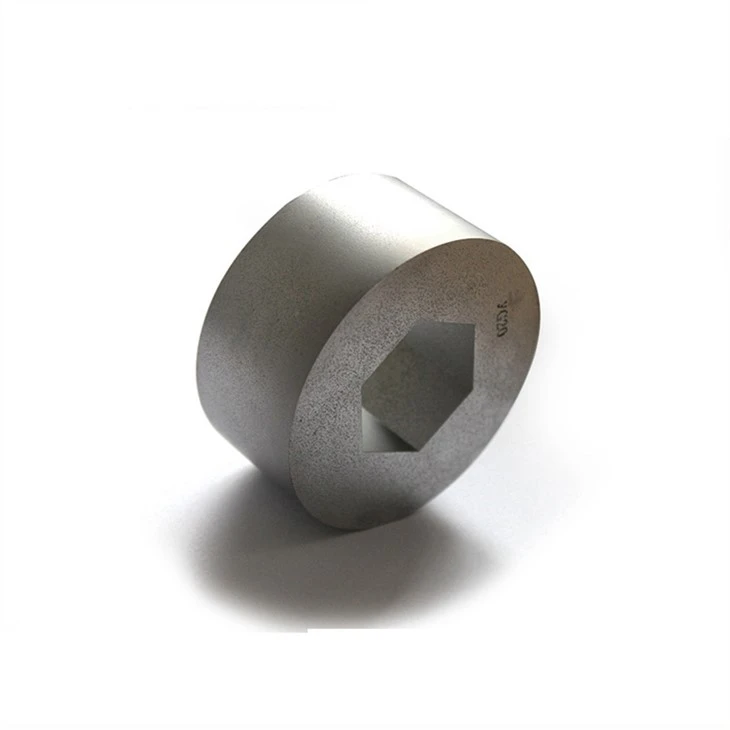
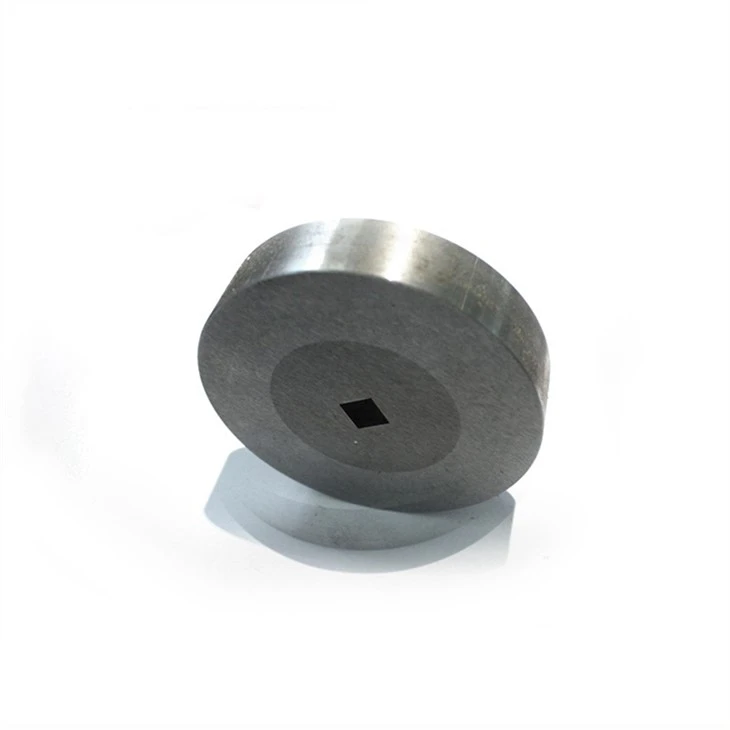
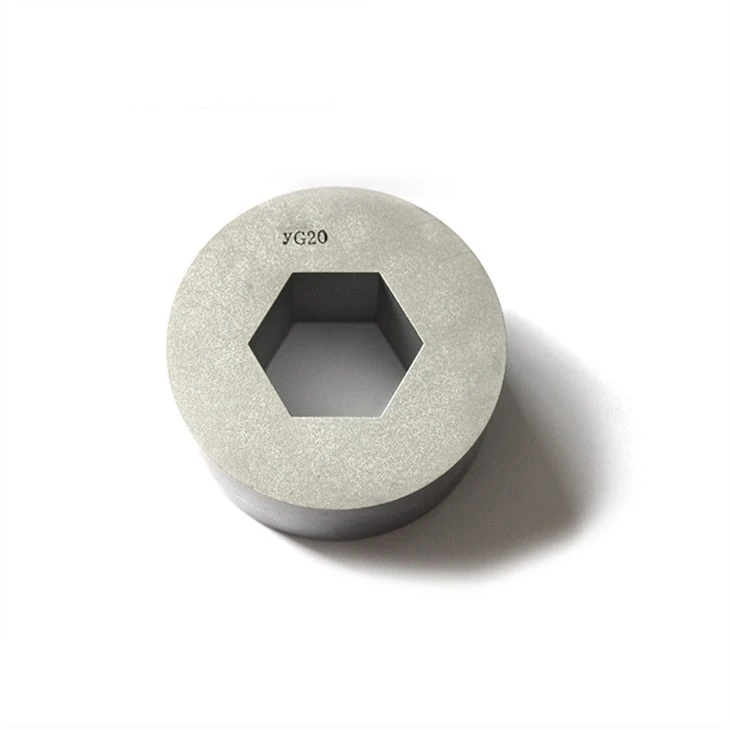
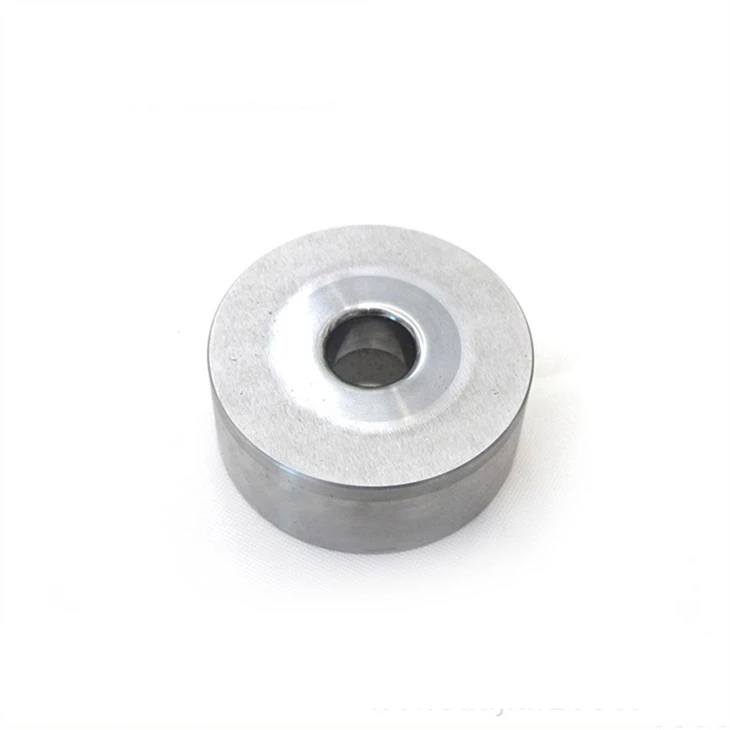
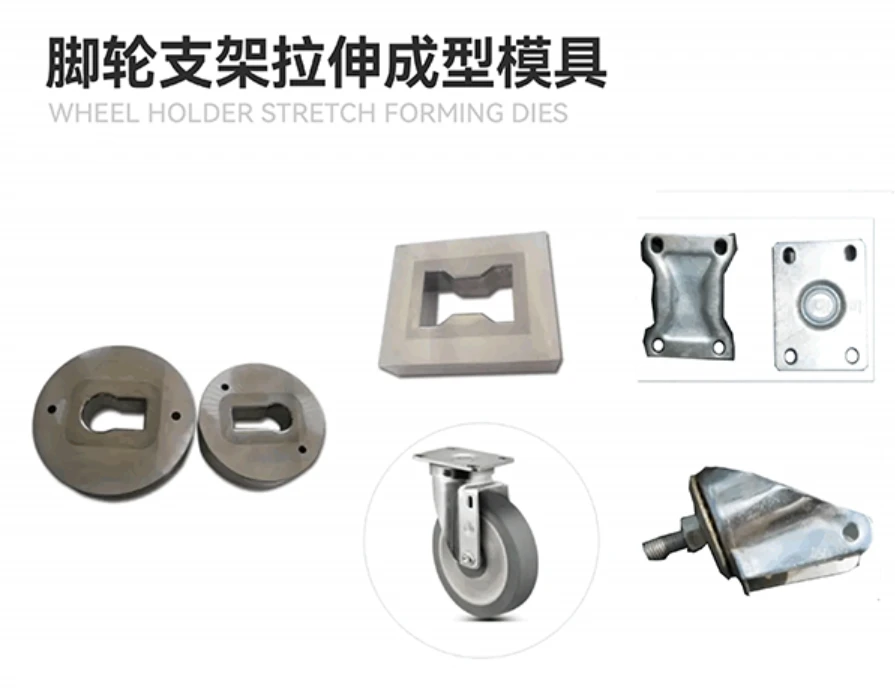
The stretching die is a specialized tool used to shape metal sheet materials into hollow parts (such as cups, car fuel tanks), by allowing the material to flow and take on a specific shape through the cooperation of the punch and the die.
These molds are widely used in the automotive, household appliances, and hardware industries, capable of transforming flat blanks into various hollow parts of various depths.
What are they mainly used for?
Forming hollow parts: The core function is to transform straight metal sheet materials into open hollow parts, or to further change the shape and size of existing hollow parts.
Typical products: Include automotive fuel tanks, kitchen sinks, motor housings, beverage cans, and various metal cup-shaped containers.
Common mold classification: Depending on the combination of processes, they are divided into single-process molds and continuous molds.
Process comparison: Compared with progressive die stamping, the stretching process is more suitable for manufacturing components with large depths, cup-shaped or hollow shapes, while progressive dies are more suitable for flat hole parts.
Continuous stretching mold: Through the same set of molds multiple times on a strip material, the required shape is gradually formed, suitable for mass production.
Composite stretching mold: In one stroke, multiple processes such as blanking and stretching are completed simultaneously, suitable for high-precision and large-batch components.
Encyclopedia
What are the considerations for design and material selection?
Material selection has restrictions: Not all metals are suitable for stretching, and materials with good plasticity and moderate strength should be selected.
Recommended materials: Commonly used materials include stainless steel, low-carbon steel, aluminum, copper, and brass. These materials have excellent ductility and are less prone to cracking.
Avoid materials: Try to avoid using very hard or very brittle materials, as they are prone to chipping and have poor surface quality.
The stretching coefficient must be calculated accurately: The deformation degree of each stretching cannot be too large, and it should be controlled within the limit coefficient.
Calculation principle: The total stretching coefficient is equal to the product of each stretching coefficient. The thicker the material and the better the plasticity, the smaller the coefficient can be taken.
Number of times determination: If the product height is large, it needs to be stretched multiple times, and intermediate annealing treatment may be required to eliminate material hardening.
Mold structure details: The structural design directly affects the quality of the finished product and the lifespan of the mold.
Edge stopper design: When the material is thin and the depth is large, wrinkling is prone to occur, so an edge stopper should be added, but excessive pressure will cause cracking, and the pressure needs to be adjusted appropriately.
Ventilation hole setting: Ventilation holes with a diameter of 3mm or more should be set on the stretching punch to prevent the part from being difficult to remove when it is tightly attached to the punch.
Common problems and solutions
● Stretching rupture: This is the most troublesome problem, usually caused by too small a gap or overly hard material.
● Countermeasures: Adjust the gap between the punch and die to the normal value, increase the radius of the die and the glossiness, or replace with materials with better plasticity.
● Process adjustment: If the stretching height exceeds the limit, it should be changed to multiple stretches and ensure accurate positioning each time.
● Surface wrinkling: Mostly caused by insufficient pressing force or material flow control failure.
● Countermeasures: Increase the pressing force, or add elastic force to the rubber plate of the punch and die to ensure that the material is tightly attached to the die during stretching.
● De-stretching not smooth: The product gets stuck in the mold and cannot be removed, affecting production efficiency.
● Countermeasures: Check if the de-stretching spring is lose efficacy, perform demagnetization treatment on the template, or add a pusher pin to help separate the material from the waste material.

SPEC
|
Material |
Tungsten carbide |
|
Coating |
Blank or Polished |
|
Chemical Composition |
15% Co & 85% WC or other |
|
Grain Size |
2.4~4.8 μm |
|
Hardness (HRA) |
≥84 |
|
Magnetic Force |
18~24 (KA/M) |
|
T.R.S |
2600~3400 (N/mm2) |
|
Magnetic Saturation |
9.6~10.3 (Ms) |
|
Purpose |
Kind of material to make tools |
|
Density |
13~14.2 (g/cm3) |
Tungsten Cemented Carbide Grade
Main

Hot Products

Company Information
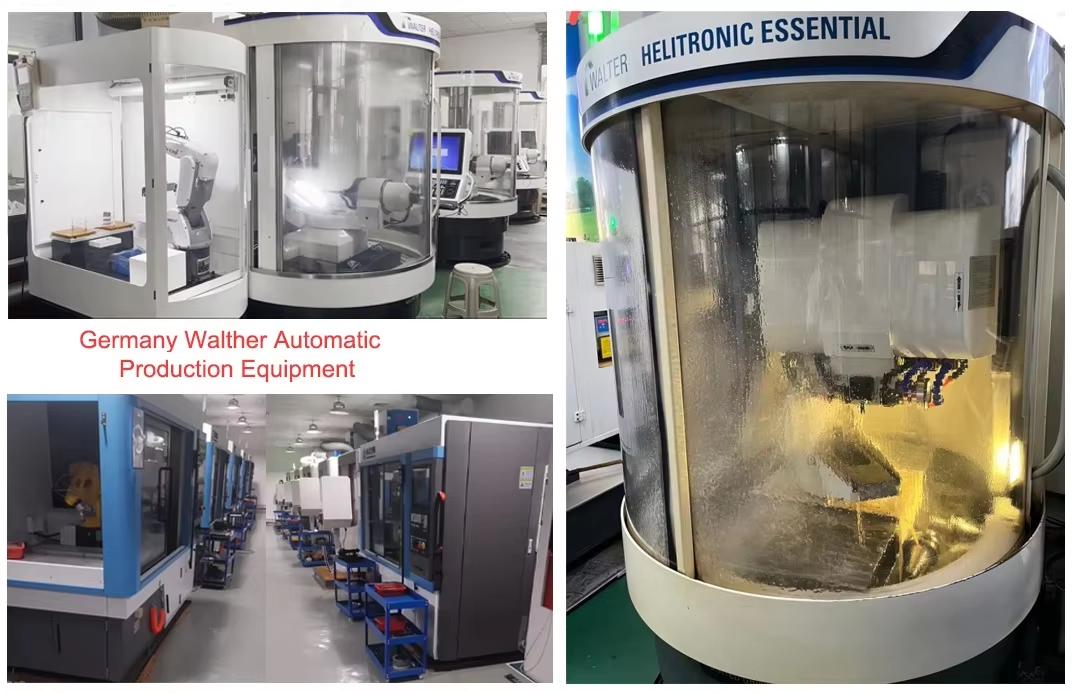
Kunshan Zhiyi Dingli Cemented Carbide Tool Co., Ltd. is a professional manufacturer of carbide stretching dies (draw dies) for the automotive, appliance, and hardware industries. Our drawing dies are engineered using ultrafine-grain tungsten carbide grades to deliver exceptional wear resistance, low friction coefficients, and consistent dimensional accuracy over millions of drawing cycles, making them the preferred choice for high-volume production of fuel tanks, beverage cans, automotive body panels, and structural components.
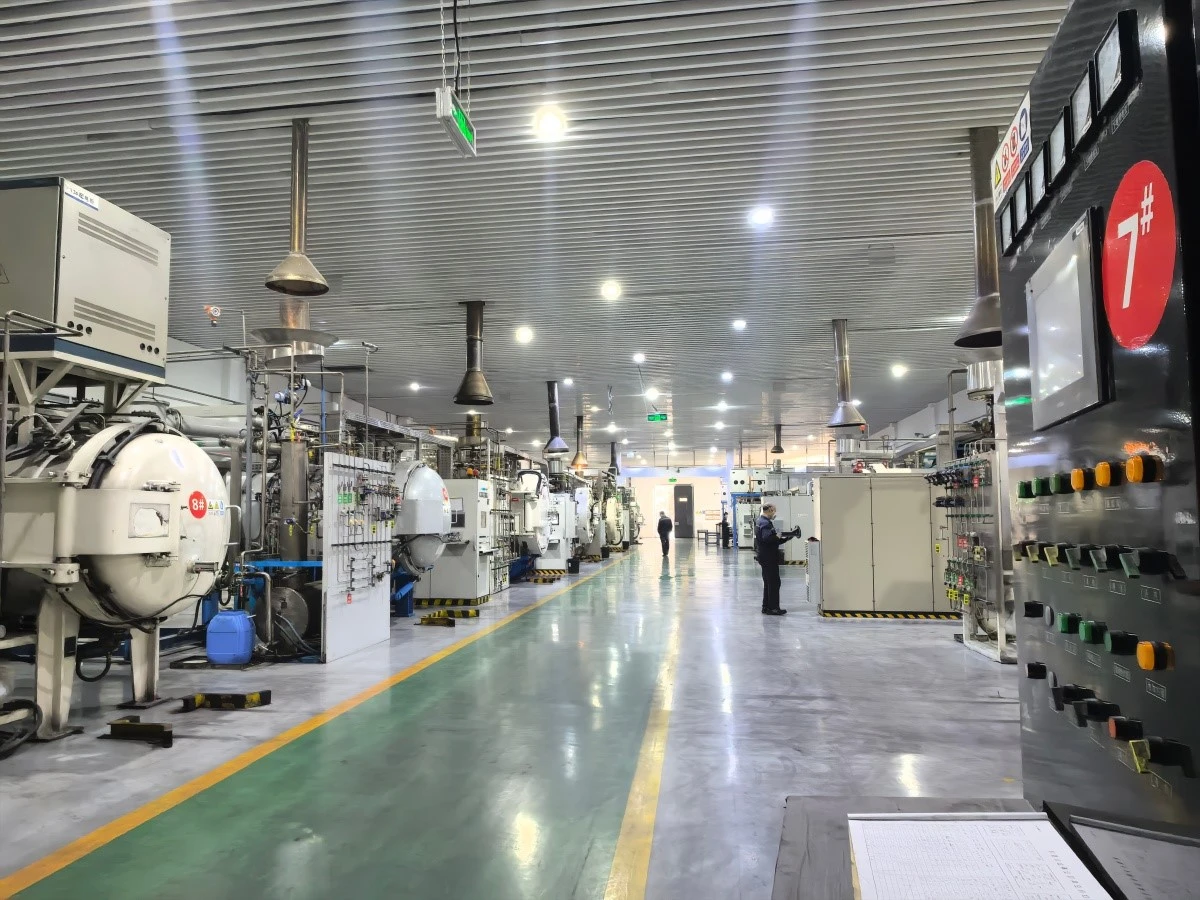
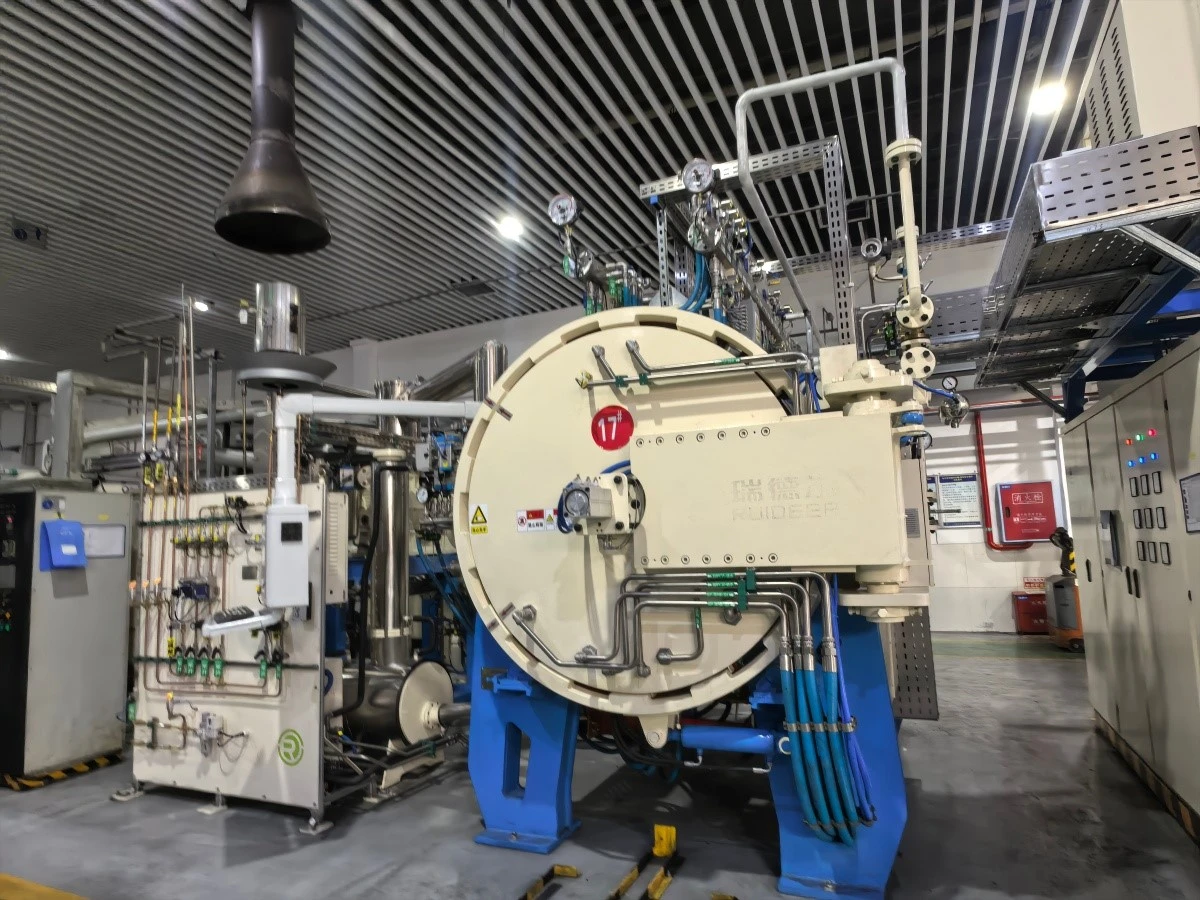
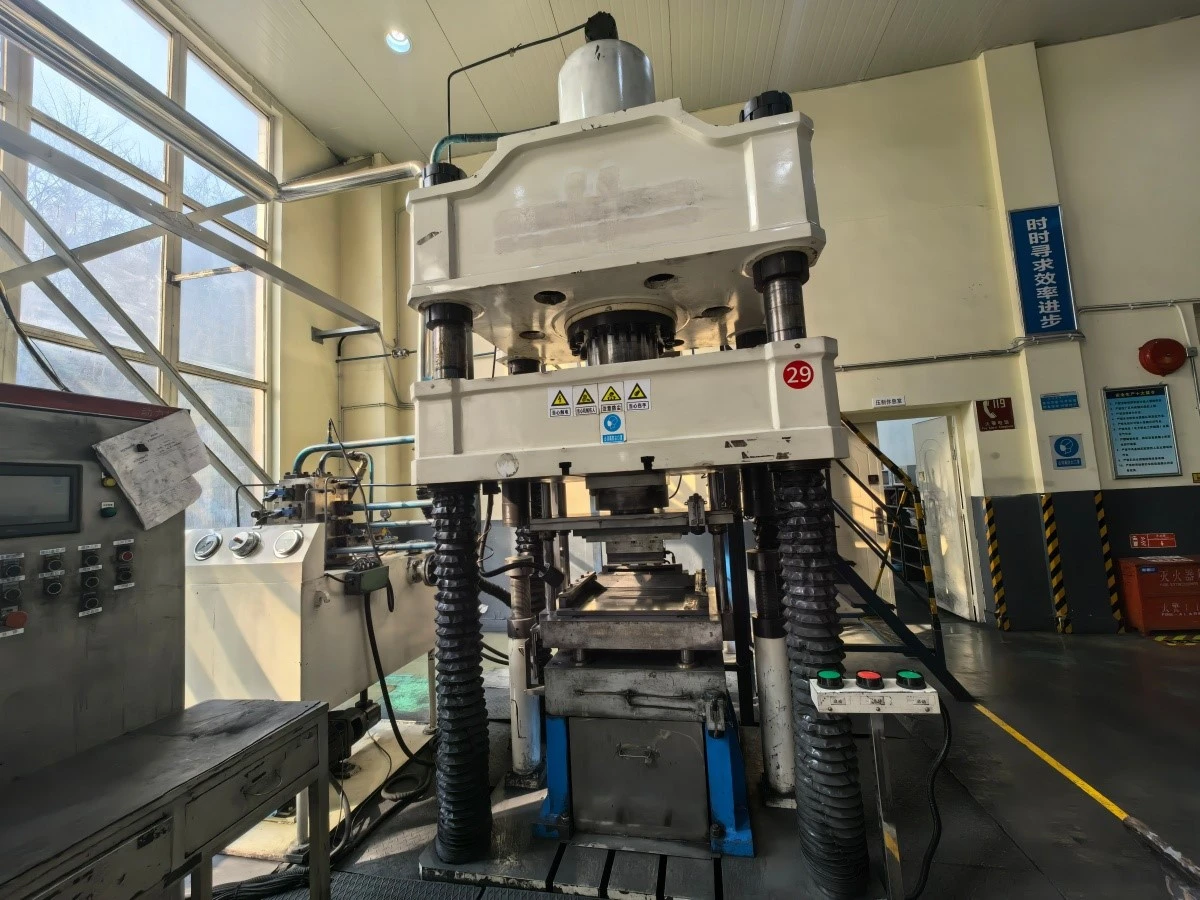
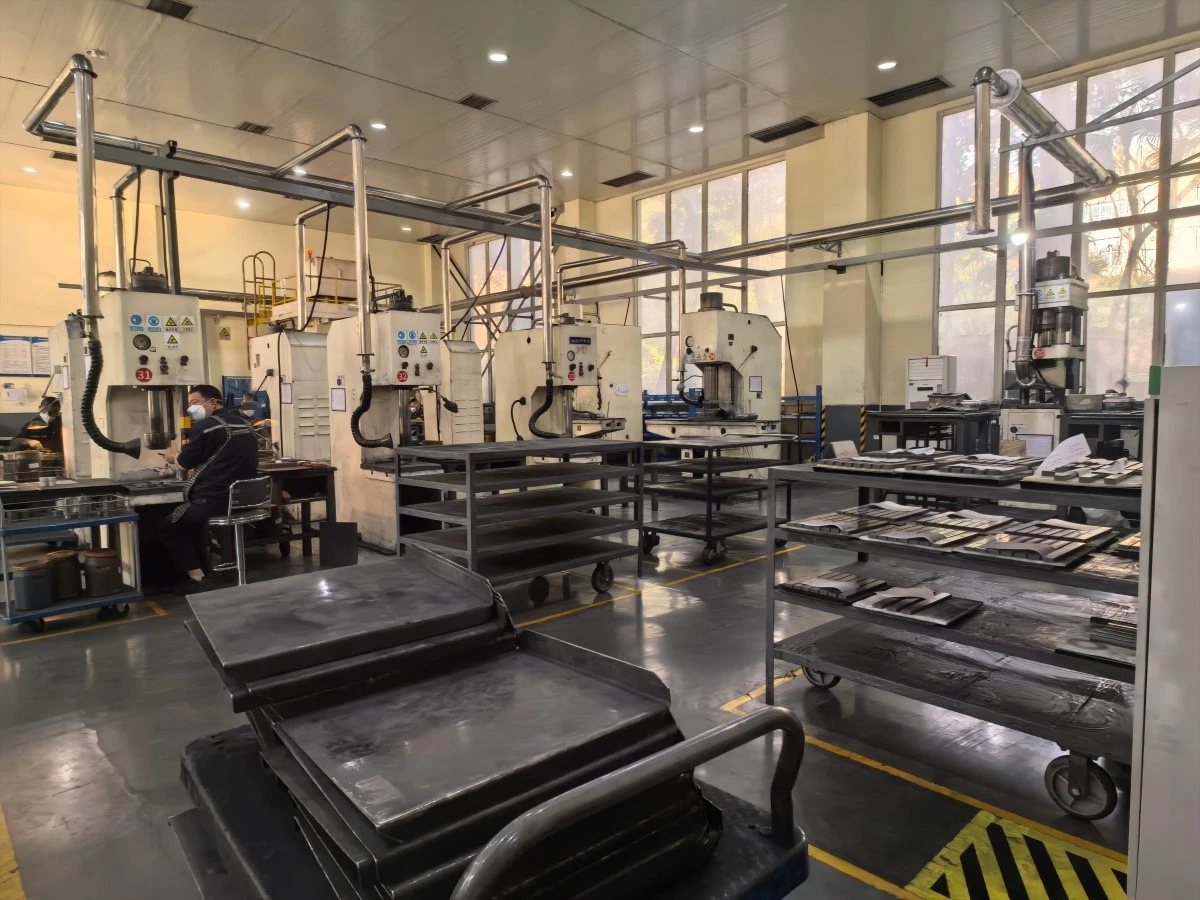
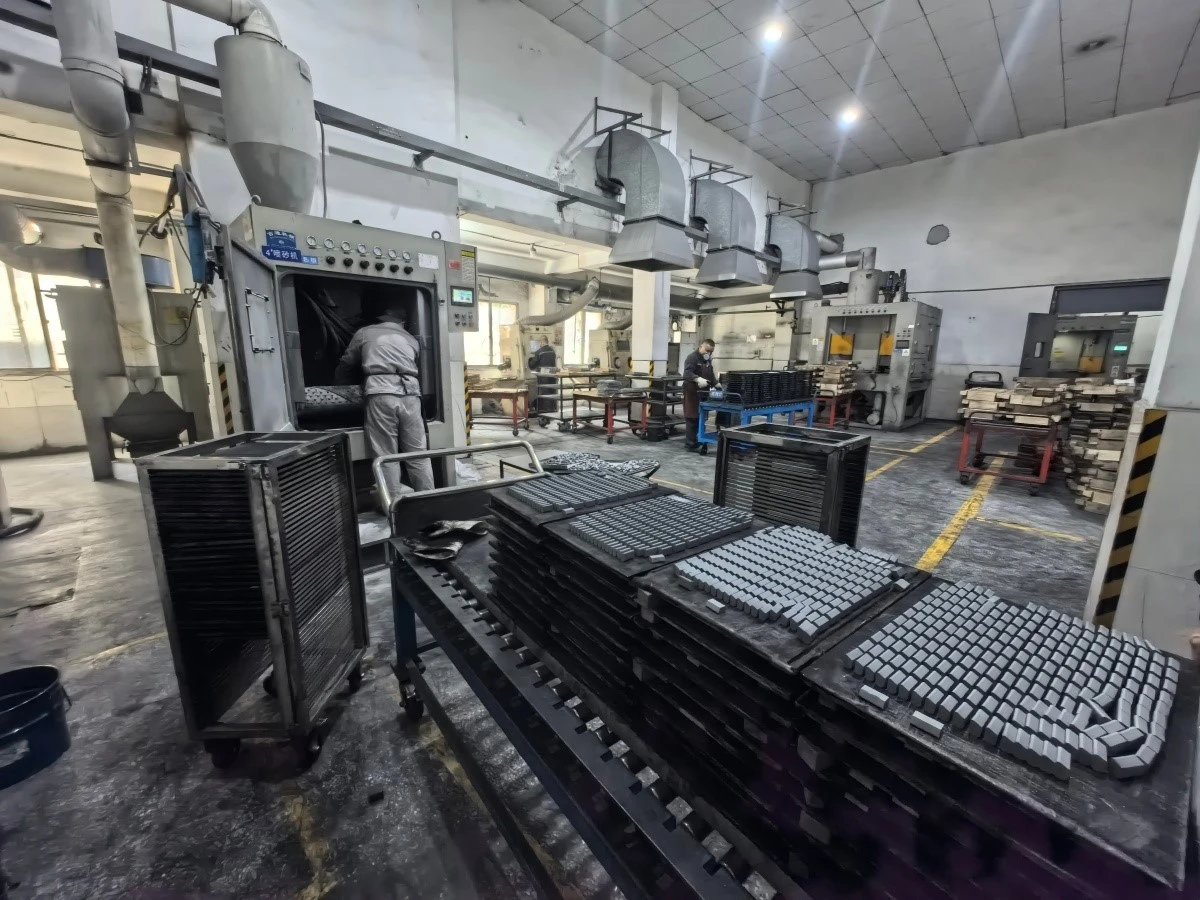
Our factory operates 15 precision pressing machines, 8 sintering furnaces, and a full line of CNC grinding and EDM equipment dedicated to drawing die production. We maintain strict dimensional tolerances of ±0.005 mm on critical dimensions and perform 100% quality inspection on every die. Our monthly production capacity reaches 500 sets, serving customers in North America, Europe, Southeast Asia, and the Middle East.



Testing Machine

Production Flow Chart

Packing & Delivery
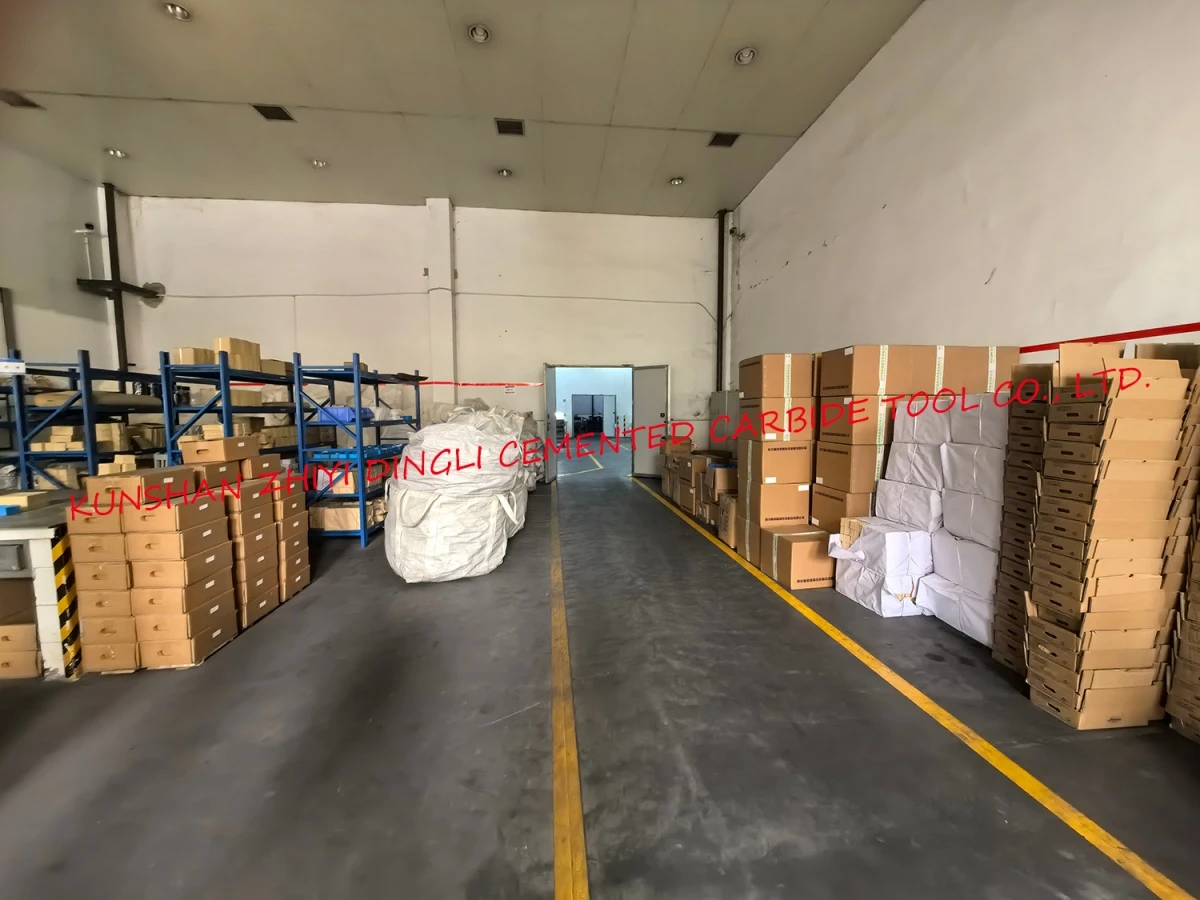
Packing
1>Put the goods encased with plastic bag or plastic case in wooden box/carton/iron box, etc.
2>Other packing will be accept according to your needs.


FAQ
Q1: What drawing die sizes can you produce?
A1: We produce dies from Ø20 mm to Ø400 mm in diameter, with wall thicknesses from 0.5 mm to 15 mm. Custom sizes are available.
Q2: What carbide grades do you use for drawing dies?
A2: We use YG15, YG20, and YL10.2 grades depending on the material being drawn and the drawing force requirements.
Q3: What is the typical lead time?
A3: Standard dies ship in 7–12 working days; custom dies require 15–25 working days depending on complexity.
About Color Aberration
Product pictures are all physical photography, due to photo-taking technology, light, display parameters, etc., there may be differences between the received physical objects and photos, please refer to the physical.
Cargo Receipt
All our products go through strict inspection and count before shipment. Please check the goods in person when they receive them.
Please refuse to sign and contact us if you find that the CTN number and model is wrong or the product is damaged in transit.
Hot Tags: stretching die, China stretching die manufacturers, suppliers, factory, Carbide Hammer Tips For Hammer Crusher, Punching Die, Stretching Die