Cutting tools can be classified into five categories based on the form of the workpiece surface being machined:
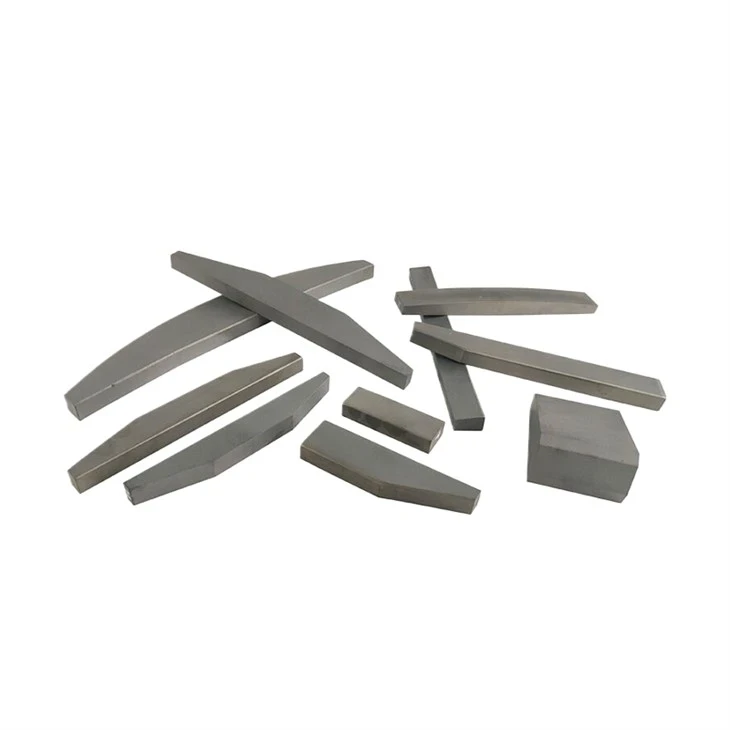
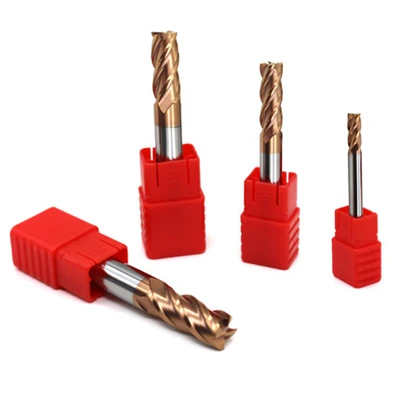
- Tools for machining various external surfaces, including turning tools, planing tools, milling cutters, external surface broaches, and files;
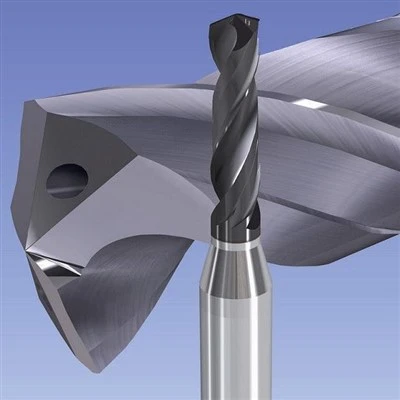
- Hole-machining tools, including drills, reamers, boring tools, and internal surface broaches;
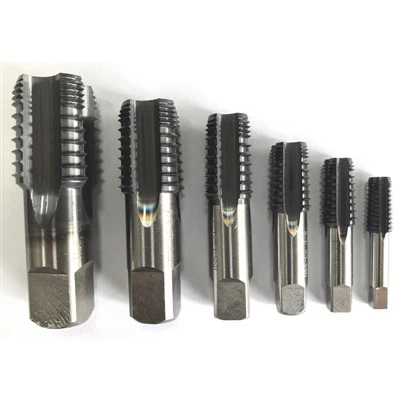
- Thread-machining tools, including taps, dies, automatic thread cutters, thread turning tools, and thread milling cutters;
- Gear-machining tools, including hobs, gear shapers, gear shaving cutters, and bevel gear machining tools;
- Parting-off tools, including toothed circular saw blades, band saws, hacksaws, parting-off turning tools, and saw blade milling cutters, etc.
- In addition, there are combination tools.
Based on the cutting motion and corresponding cutting edge shape, cutting tools can be divided into three categories:
- General-purpose cutting tools, such as turning tools, planing tools, milling cutters (excluding form turning tools, form planing tools, and form milling cutters), boring tools, drills, reamers, and saws;
- Form cutting tools, whose cutting edges have the same or nearly the same shape as the cross-section of the workpiece being machined, such as form turning tools, form planing tools, form milling cutters, broaches, conical reamers, and various threading tools;
- Generating tools, used to machine the tooth surfaces of gears or similar workpieces using the generating method, such as hobs, gear shapers, gear shaving cutters, bevel gear planers, and bevel gear milling cutters.