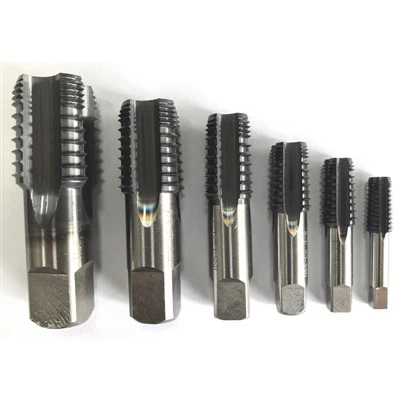
All cutting tools consist of a clamping part and a working part. For integral cutting tools, both the clamping and working parts are built into the tool body; for insert-type cutting tools, the working part (tooth or insert) is mounted on the tool body.
The clamping part of a cutting tool can be either perforated or shanked. Perforated tools rely on the inner hole to fit onto the machine tool spindle or mandrel, transmitting torsional torque via an axial key or end key; examples include cylindrical end mills and face mills.
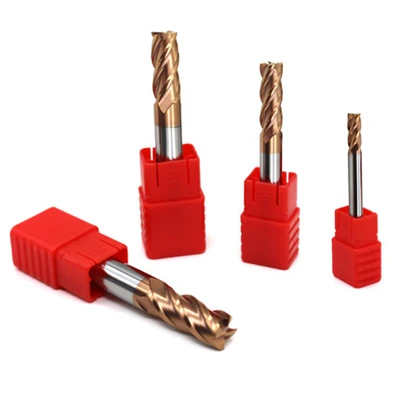
Shanked cutting tools typically have three shank types: rectangular shank, cylindrical shank, and tapered shank. Turning tools and planing tools generally have rectangular shanks; tapered shanks rely on the taper to withstand axial thrust and transmit torque via friction; cylindrical shanks are generally suitable for smaller twist drills and end mills, transmitting torsional torque during cutting via friction generated during clamping. Many shanked cutting tools have a shank made of low-alloy steel, while the working part is made of high-speed steel, with the two parts welded together.
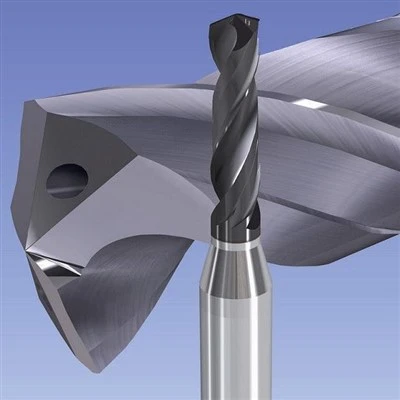
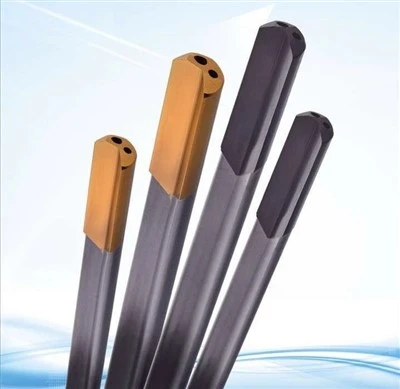
The working part of a cutting tool is the part that generates and processes chips. This includes the cutting edge, structures that break or coil the chips, spaces for chip removal or storage, and channels for cutting fluid. Some cutting tools have only one cutting part, such as turning tools, planing tools, boring tools, and milling cutters; others include both cutting and guide parts, such as drills, reamers, broaches, and taps. The cutting part removes chips with its cutting edge, while the guide part finishes the machined surface and guides the tool.
The working part of a cutting tool has three structural types: integral, welded, and mechanically clamped.
Integral structure: The cutting edge is formed on the tool body.
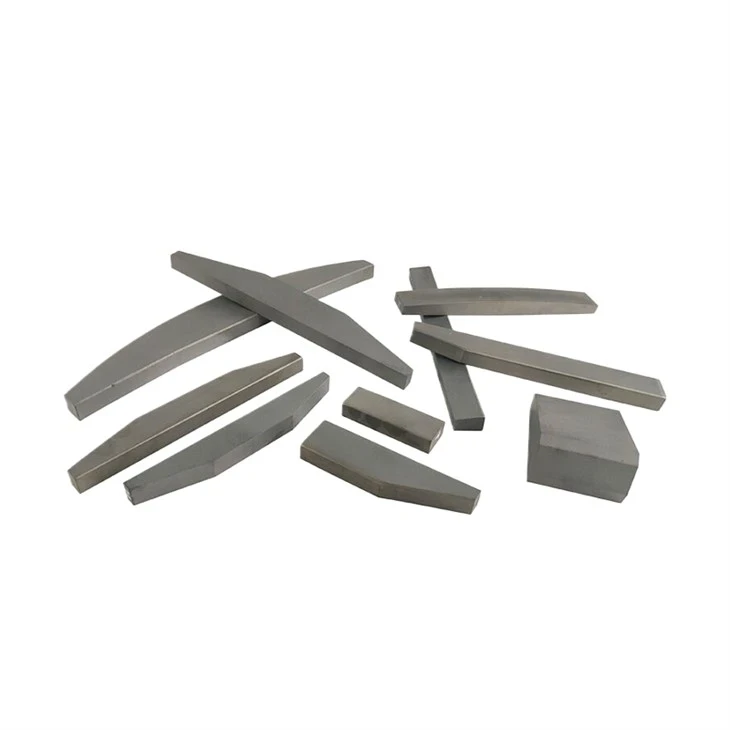
Welded structure: The insert is brazed to a steel tool body.
Mechanically clamped structures have two types: one where the insert is clamped to the tool body, and the other where a brazed cutting tip is clamped to the tool body.
Carbide cutting tools are generally made with either a welded or mechanically clamped structure; ceramic cutting tools all use a mechanically clamped structure.
The geometric parameters of the cutting part of a cutting tool have a significant impact on cutting efficiency and machining quality. Increasing the rake angle reduces plastic deformation when the rake face compresses the cutting layer, reduces frictional resistance as chips flow across the rake, and thus reduces cutting force and heat. However, increasing the rake angle also reduces the strength of the cutting edge and decreases the heat dissipation volume of the tool tip.
When selecting tool angles, various factors need to be considered, such as workpiece material, tool material, and machining characteristics (roughing, finishing), and a reasonable selection must be made based on specific circumstances. The tool angles commonly referred to are the angles marked for manufacturing and measurement. In actual operation, due to differences in tool mounting position and changes in cutting motion direction, the actual working angles may differ slightly from the marked angles, but the difference is usually very small.