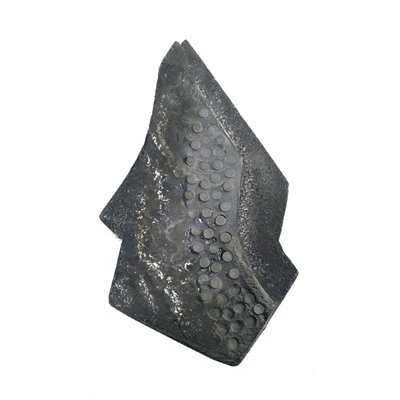

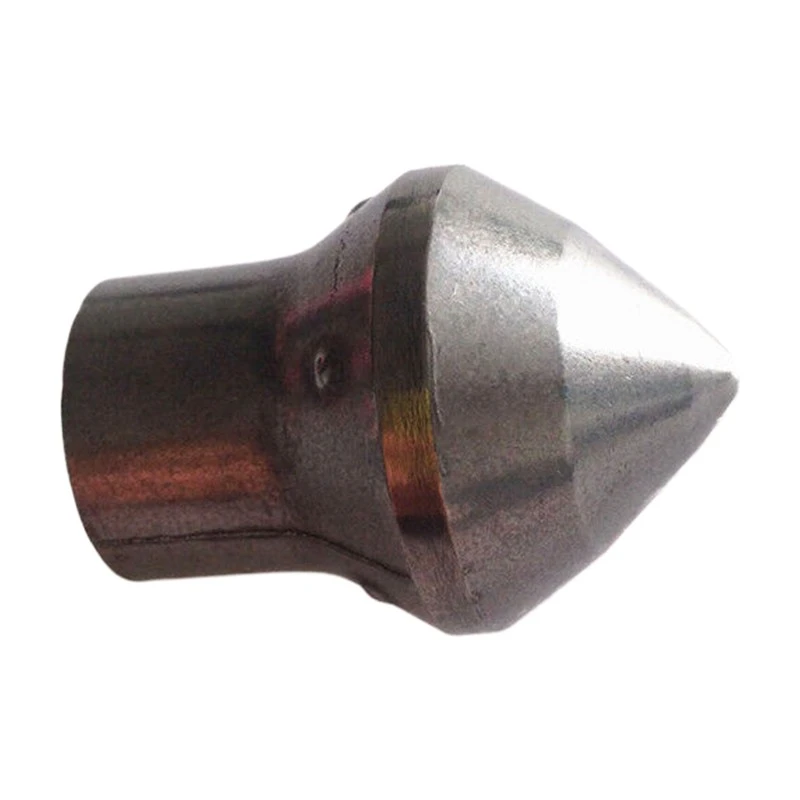

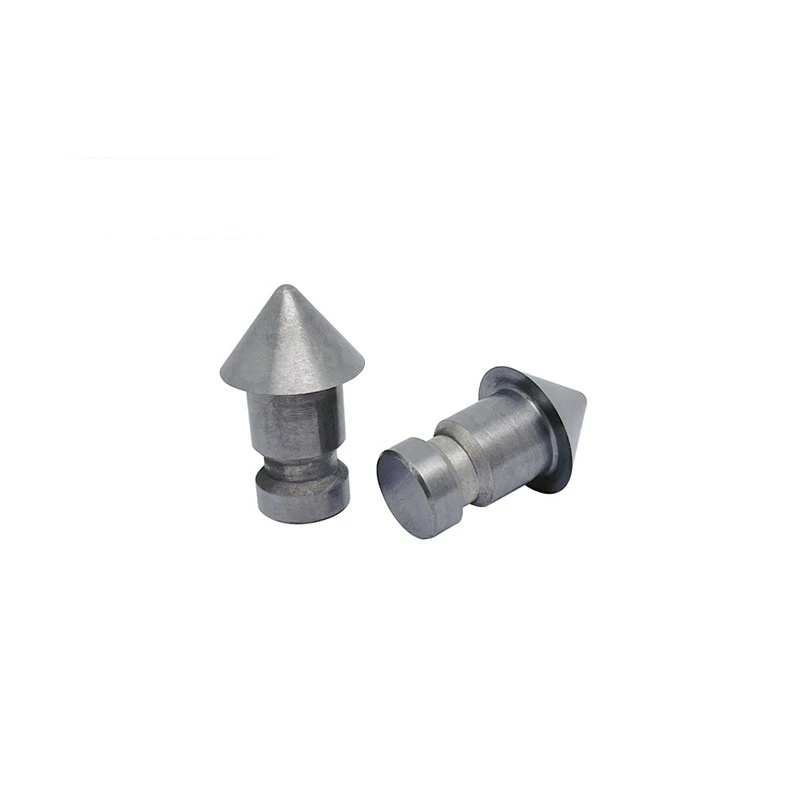
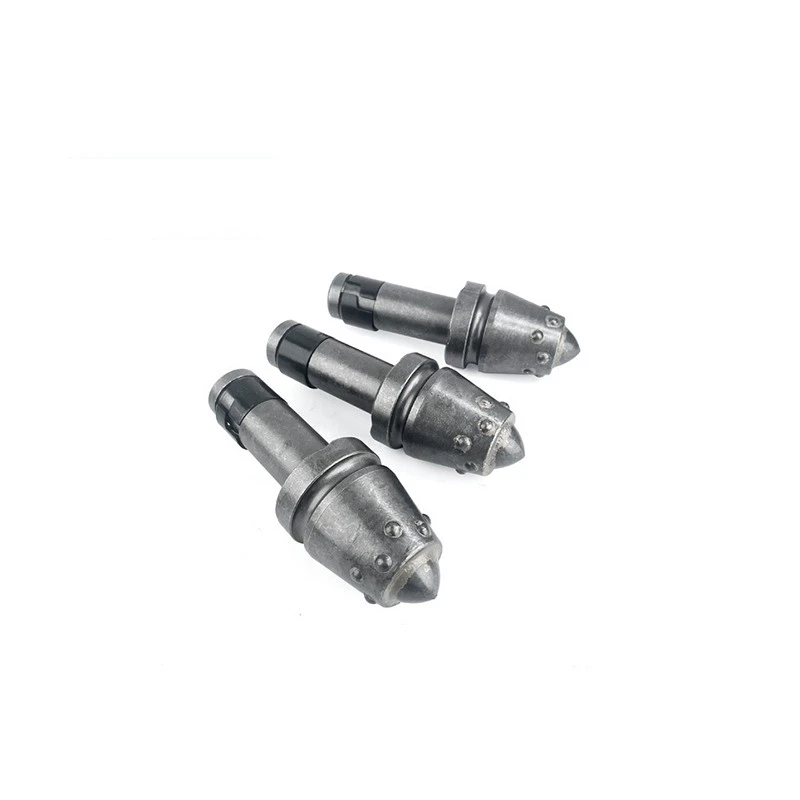
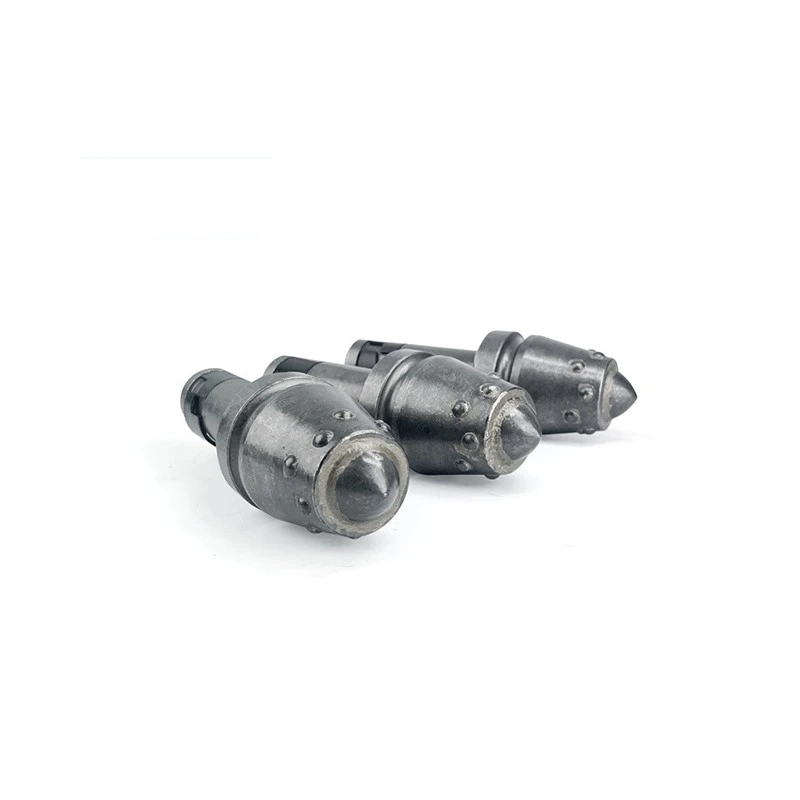
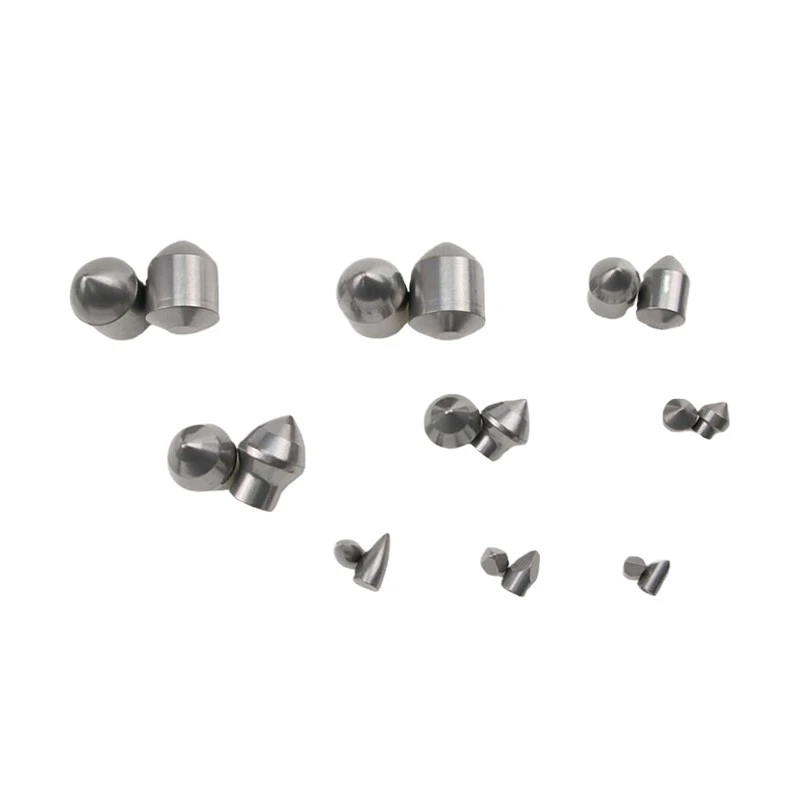
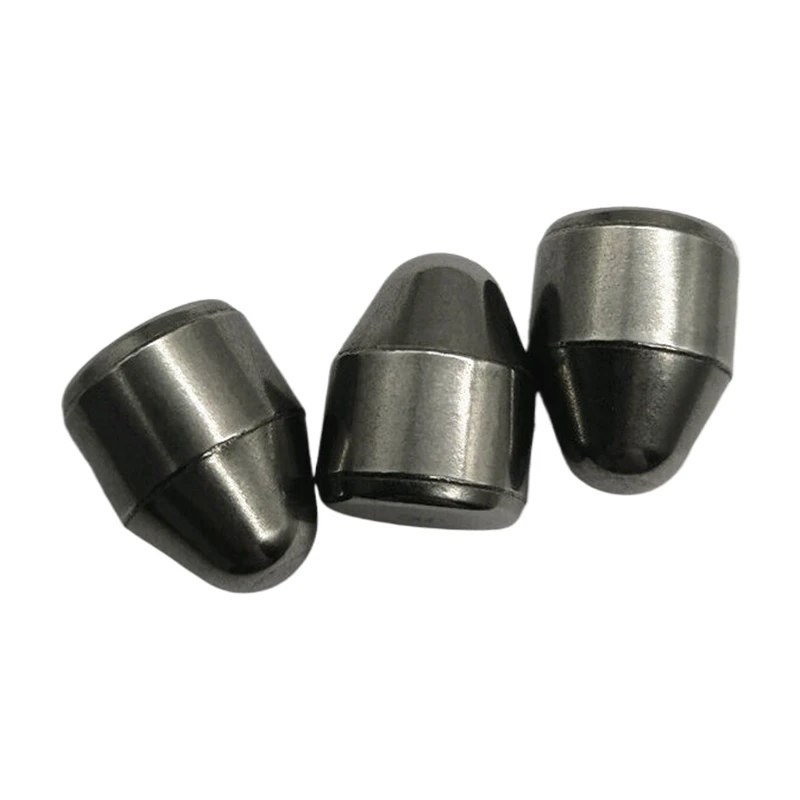
The coal mining teeth is an industrial component made by welding tungsten carbide ball teeth with alloy structural steel. It is mainly used for coal cutting and hard rock mining operations in coal mining machines and tunneling machines.
The main body is made by welding 35CrMo alloy steel with YG11C tungsten carbide. Some products have their performance enhanced through processes such as vacuum heat treatment and wear-resistant layer overlay fusion. During mining operations, the cutting teeth need to withstand high-pressure stress, alternating impact loads, and frictional high temperatures. They often fail due to block fracture, crack propagation, or micro-tube defects, and the presence of coal seam gangue and poor contact exacerbate wear. The optimization directions include adjusting the cobalt content (8%-13%), optimizing the WC particle size ratio to balance thermal fatigue resistance and fracture toughness, and strengthening the cobalt phase polymorphic transformation through heat treatment. The patented technology covers the preparation of biaxial crystal structure, mechanical self-locking design, and transition layer casting and welding process. Some models have a fracture toughness of 18.9-20.2 MPa·m¹/², and the service life is 2.3 times that of ordinary cutting teeth.
Structure and Composition
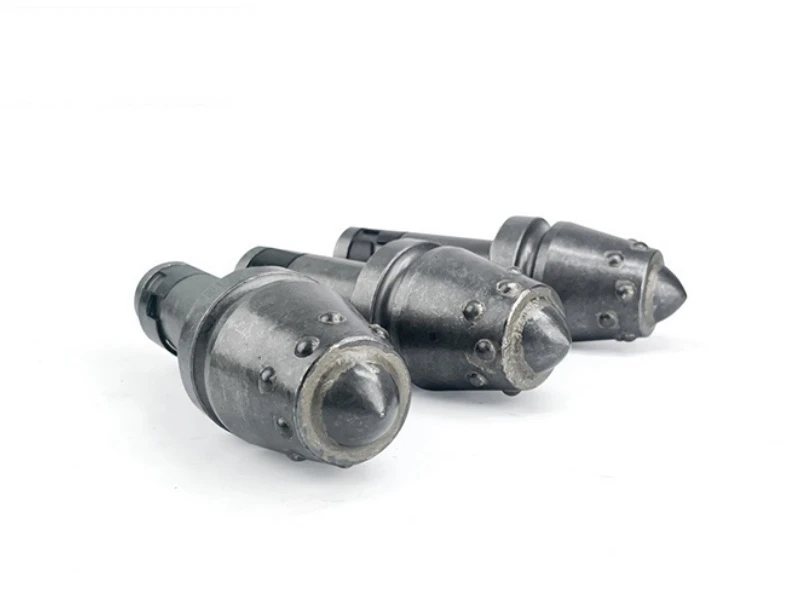
The tungsten carbide cutting teeth are mainly composed of the cutting tooth handle, the cutting tooth head, and the alloy blade head. The cutting tooth handle and the cutting tooth head are often collectively referred to as the cutting tooth body. The hardness of the cutting tooth body is 40-45 HRC, and the impact toughness is not less than 49 J/cm². The general structure of the mining cutting teeth is to embed the tungsten carbide cutting tooth head on the quenched and tempered low-alloy structural steel blade body. The wear-resistant overlay layer of the cutting tooth is a ring-shaped isolation zone formed along the circumferential direction of the cutting tooth head, with a width of 20-30 mm and a thickness of 2-3 mm. Its function is to protect the base material of the tooth head from wear. The alternative names for the cutting tooth include flat cutting tooth and pick-shaped cutting tooth. The flat cutting tooth has a flat cutting tooth head, while the pick-shaped cutting tooth has a conical cutting tooth head, also known as conical cutting tooth. The tooth body refers to the solid part of the cutting tooth excluding the tungsten carbide head; the cutting tooth head refers to the part where the tungsten carbide head is welded or embedded at the top of the cutting tooth; the cutting tooth handle refers to the part that can be inserted into the tooth seat, with shapes of rectangular prism and cylinder; the length of the cutting tooth refers to the longitudinal distance from the cutting head to the end of the cutting tooth handle; the length of the cutting tooth head refers to the longitudinal length of the cutting tooth head extending beyond the top surface of the tooth seat.
Principle
The cutting teeth advance and cut in the coal seam by means of impact rotation. They need to withstand both high pressure stress and shear-bending stress simultaneously. During the cutting process of coal and rock, the cutting teeth not only bear periodic compressive stress, tensile stress and impact loads, but also endure the effects of long-term abrasive friction, temperature rise caused by impact, and corrosion from corrosive media. This is a combination of periodic and alternating impact loads. During the excavation process, the cutting teeth will also undergo intense friction with the coal seam, generating frictional heat. Throughout the wear process, there may also be various mechanical behaviors such as local yielding, contact fatigue, corrosion and fracture.
Production Process and Technology
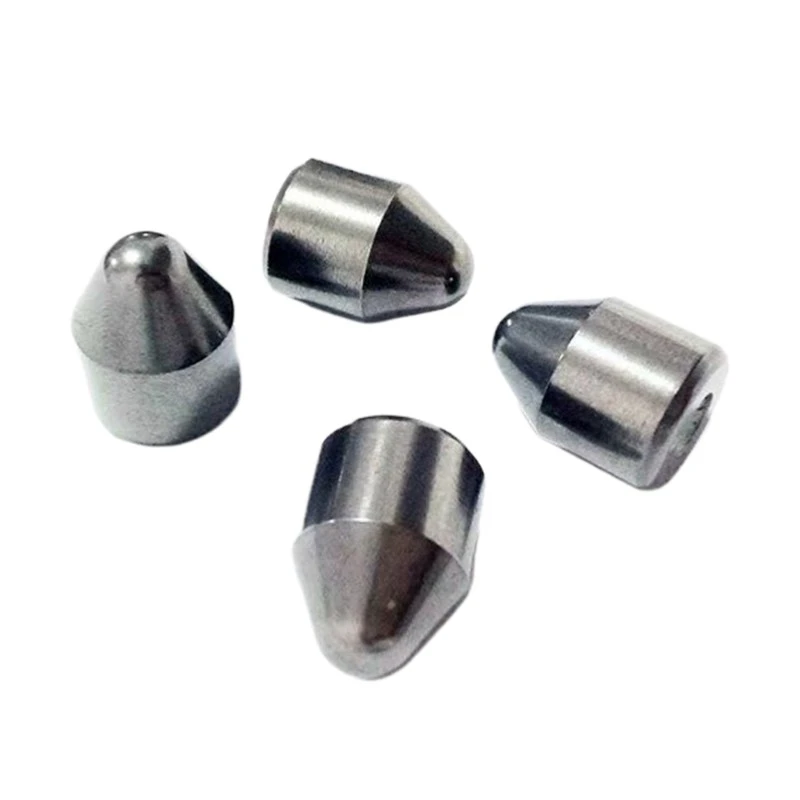
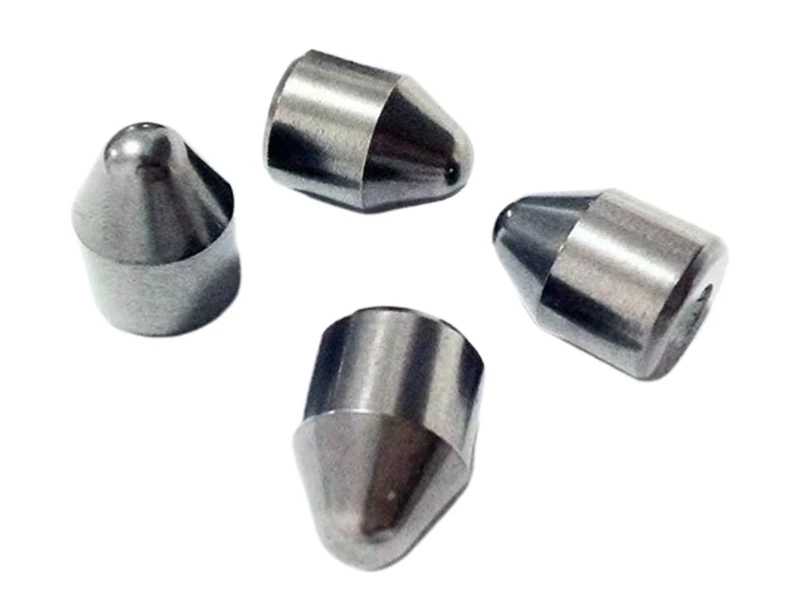
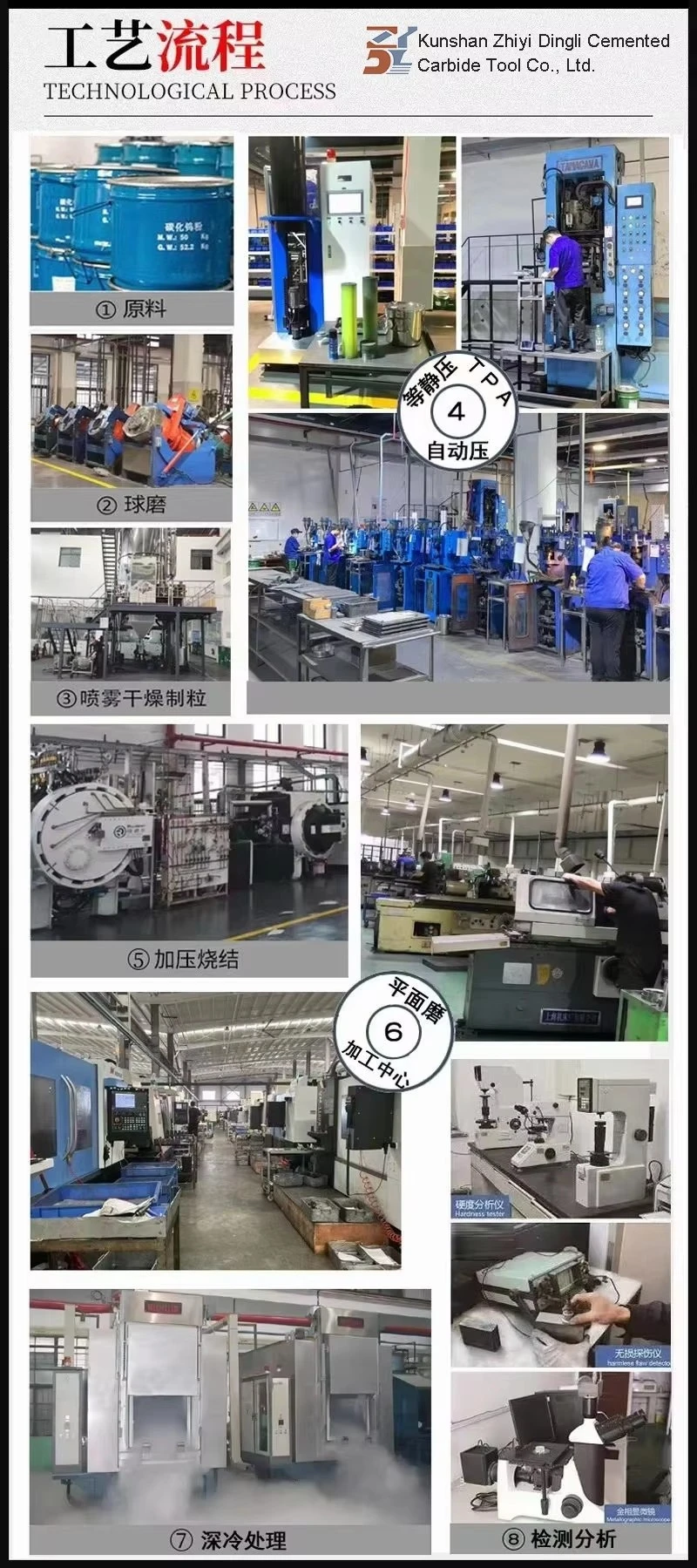
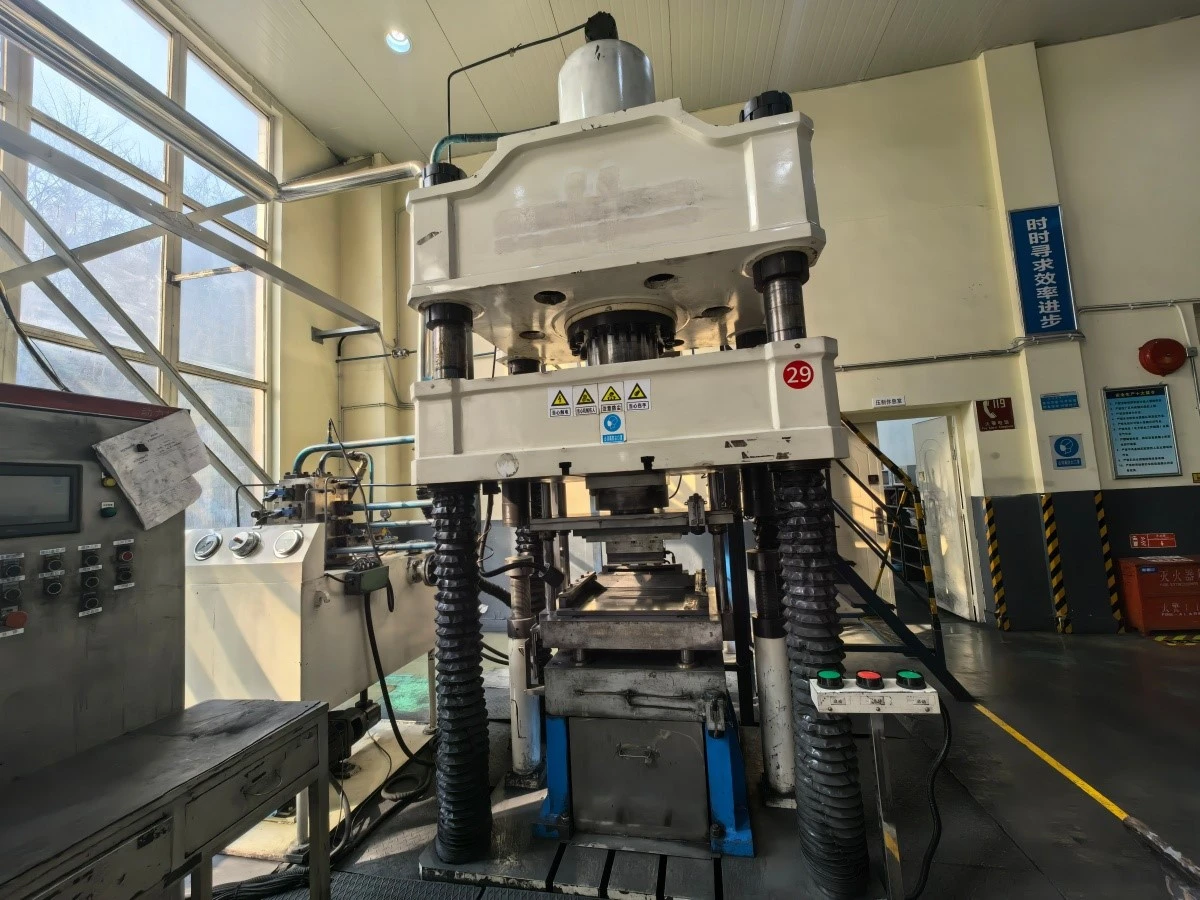
The manufacturing process of double crystal tungsten carbide aims to make the cutting teeth have both good toughness and hardness, and ensure that the hardness and wear resistance required are maintained after welding processing. This process mainly includes material preparation, mixing and ball milling, mixing and grinding, pressing and sintering, etc. The core material formula, in terms of mass percentage, is tungsten carbide powder 88-90 parts, tantalum carbide 2-3 parts, cobalt powder 5-6 parts, tungsten carbide-tantalum carbide-carbon tetravalent solid solution 1-2 parts, tungsten carbide-chromium solid solution 0.5 parts, titanium nitride 4-7 parts, boron carbide 2-4 parts, and paraffin 1 part. The tungsten carbide powder adopts a double crystal grain size ratio, including the first tungsten carbide powder with a particle size of 5-8 μm and the second tungsten carbide powder with a particle size of 3-7 μm, with the proportions being 67-81% and 19-33% respectively. Under this process, the typical performance parameters of the material include a density of 16.85-17.02 g/cm³, Rockwell hardness of 88.6-91.5 HRA, and bending strength of 4600-4650 MPa.
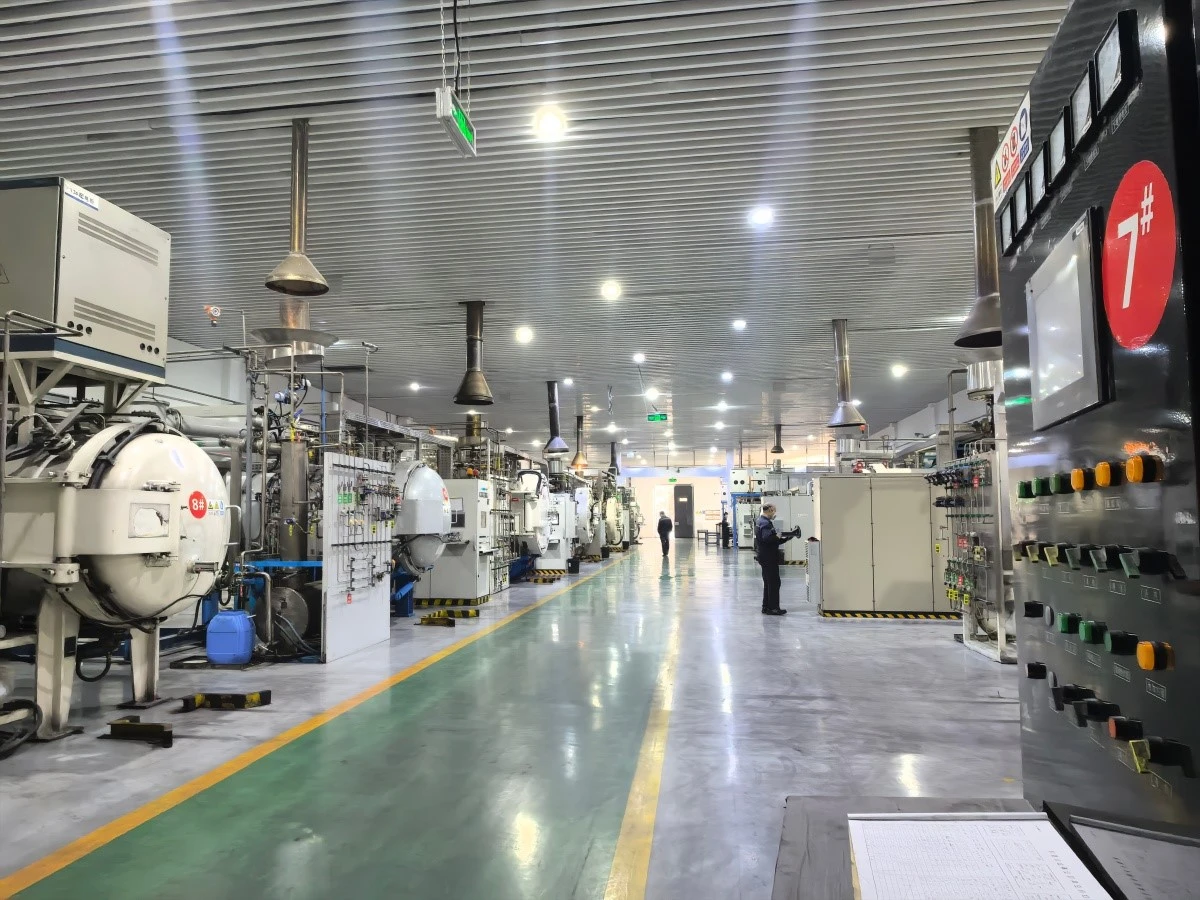
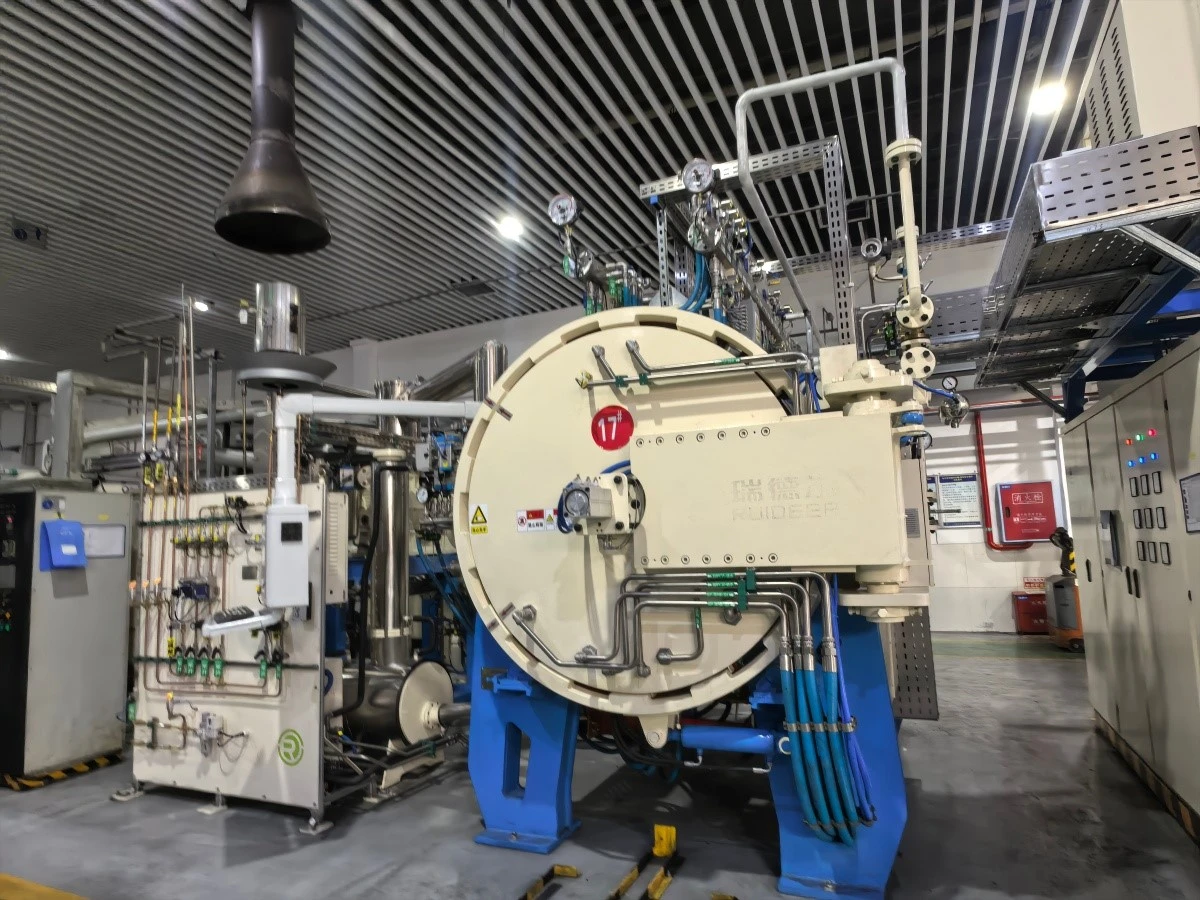
Welding heat treatment is one of the key technologies in the manufacturing of cutting teeth. Modern advanced processes have integrated welding and heat treatment, completing heating, welding and direct quenching in a vacuum furnace. This process makes the tungsten carbide firmly and closely bonded to the tooth body steel, effectively improving the impact resistance of the cutting teeth.

Performance Indicators
The key performance parameters of tungsten carbide teeth include density, hardness, bending strength, etc. For example, the performance parameters of a double-grain tungsten carbide tooth material are density 16.85 - 17.02 g/cm³, Rockwell hardness 88.6 - 91.5 HRA, coercive force 4.5 - 4.9 kA/m, bending strength 4600 - 4650 MPa, porosity A02, B00, and average grain size ≥ 6.0.
The grain size of tungsten carbide affects the coercive force, hardness, bending strength, and fracture toughness of tungsten carbides. For ultra-coarse-grained tungsten carbides with a cobalt content of 10%, as the grain size of tungsten carbide increases, the coercive force, hardness, and bending strength of the alloy gradually decrease, while the fracture toughness value gradually increases.
To address the problem of large deviations in the grain size of tungsten carbide in ultra-coarse-grained tungsten carbides, industry research has proposed the viewpoint of using the coercive force value to indirectly characterize the grain size of tungsten carbide.
Failure
The failure modes of traditional ordinary cutting teeth mainly include two types: Firstly, as the tungsten carbide tooth head wears, the tooth head becomes blunt and is unable to effectively cut the rock, resulting in a decrease in cutting efficiency; Secondly, the steel base wears before the tungsten carbide tooth head, when severely worn, it loses its supporting and protective effect on the tungsten carbide tooth head, causing the tungsten carbide to fall off the entire cutting tooth and the entire cutting tooth to fail. During the process of coal seam excavation, due to the action of impact loads, the surface is in a high-pressure stress state, and the tungsten carbide cutting teeth break. Due to the uncertainty of coal seam geology, the tooth head cannot maintain a completely good contact state with the coal seam during excavation, and the coal seam contains certain coal gangue, which inevitably leads to an increase in areas with poor contact or no contact at all. Such stress states are prone to generate impact fatigue and thermal fatigue cracks under the action of alternating loads. In addition, micro-tube defects on the tooth head surface or inside can also cause stress concentration and lead to damage of the tungsten carbide cutting teeth.
The systematic analysis of the specific failure causes includes: material defects, such as the tungsten carbide tooth head containing graphite impurities, uneven grain distribution, cracks or pores; component design, such as insufficient cobalt (Co) content resulting in insufficient toughness, and prone to brittle fracture under impact loads; process stress, such as large residual stress from brazing, due to the different expansion coefficients of tungsten carbide, brazing filler metal and base material, the difference in contraction rates during cooling leads to a decrease in welding strength; high-temperature performance, such as low red hardness (the ability to maintain hardness at high temperatures), when the cutting teeth cut coal and rock, the surface temperature of the tooth head can reach 600-800°C, the hardness drops significantly, accelerating wear; cold cracking causes, such as high carbon content in the cutting teeth, poor welding process leading to hydrogen-induced cracks, insufficient weld thickness/rigidity, and uneven heating and cooling.
Optimization
Regarding the failure forms and causes of the tungsten carbide cutting teeth, their performance can be improved by adjusting the particle size, composition and ratio of the alloy. Firstly, the content of Co should not be too low, as it can effectively enhance the anti-thermal fatigue ability, strengthen the plasticity of the alloy, and relieve stress, etc. However, an increase in the content of Co will to some extent affect the wear resistance. According to the hardness of the coal seam, it is generally controlled between 8% and 13%. When the texture is hard, the content of Co can be appropriately increased. Secondly, the selection and ratio of WC particles. Fine-grained WC particles have a reduced total surface area, an increased specific surface area, and an increased average free path of Co, which is equivalent to indirectly increasing the content of Co, and this is conducive to the improvement of the fracture toughness of the alloy. To strengthen the Co phase, an appropriate heat treatment process is also a relatively effective method. By taking advantage of the polymorphic transformation of Co to generate other phases to enhance face-centered cubic cobalt, the purpose of strengthening the wear-resistant cutting teeth of the tungsten carbide is achieved. Modern optimization techniques also include the integrated process of brazing and heat treatment, that is, completing brazing and heat treatment in a vacuum furnace at one time, making the tungsten carbide and the tooth body steel bond more firmly, and effectively improving the impact resistance of the cutting teeth.


Hot Products

Company Information
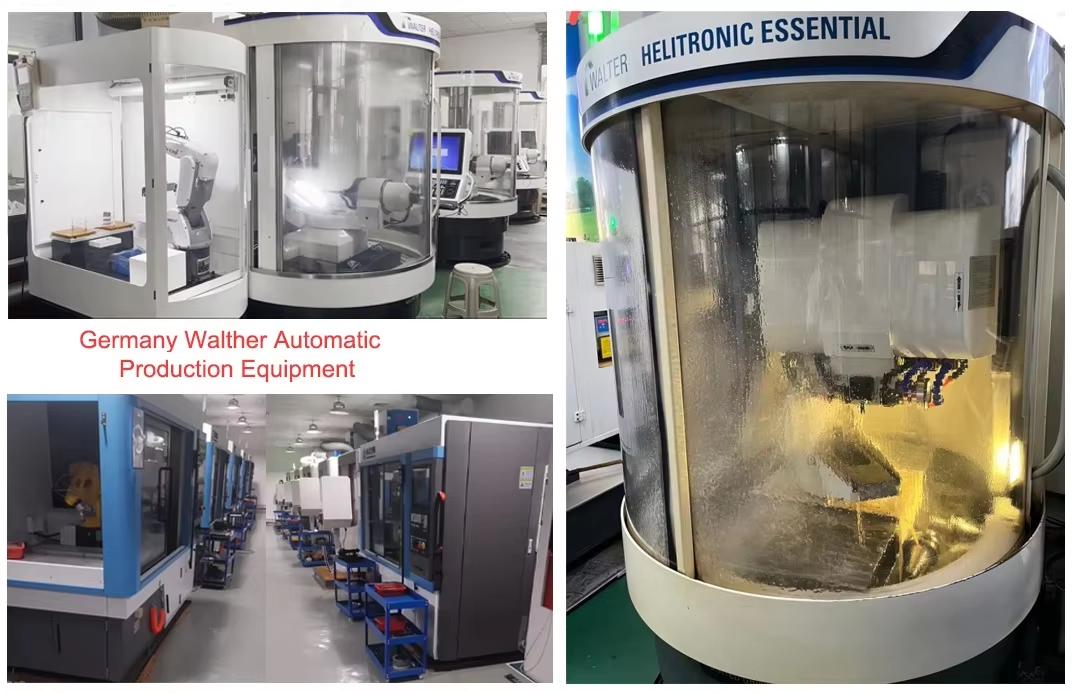
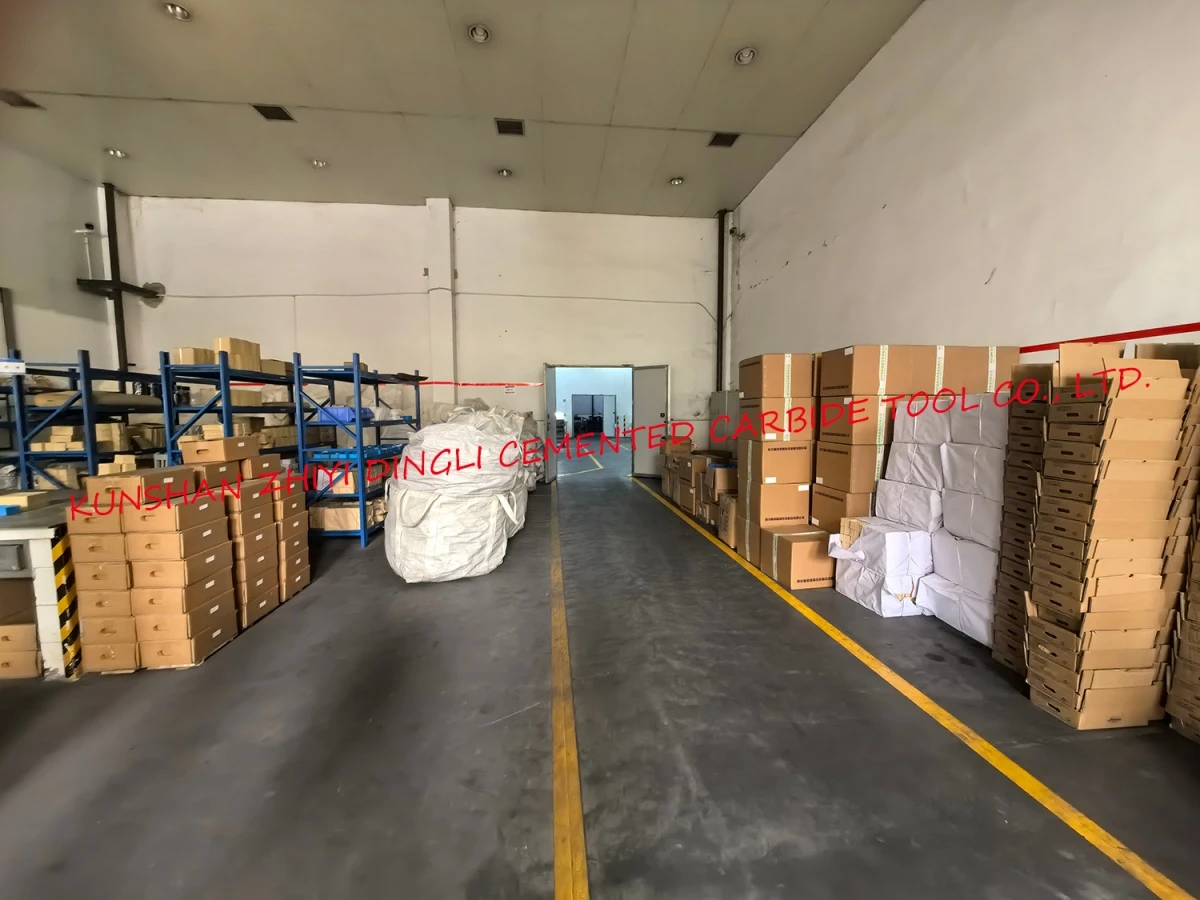
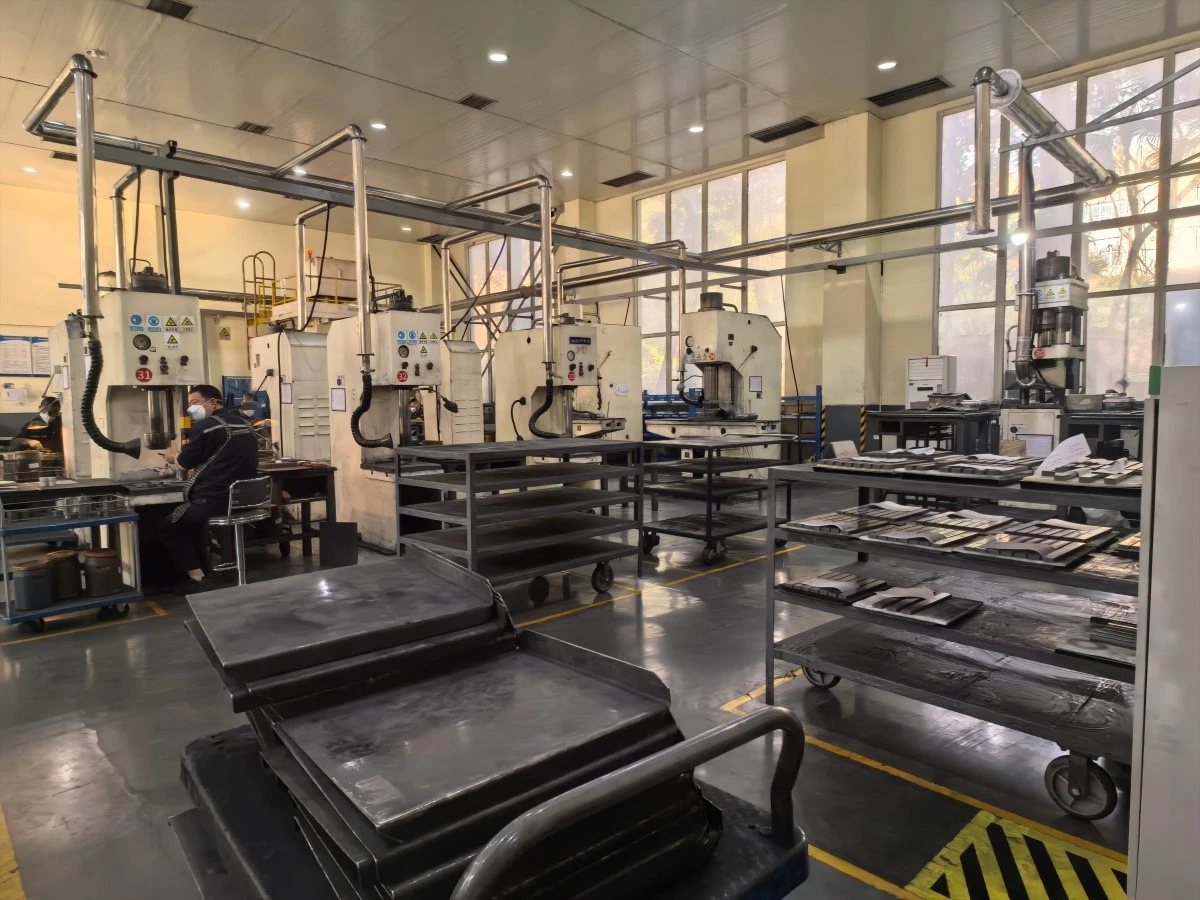
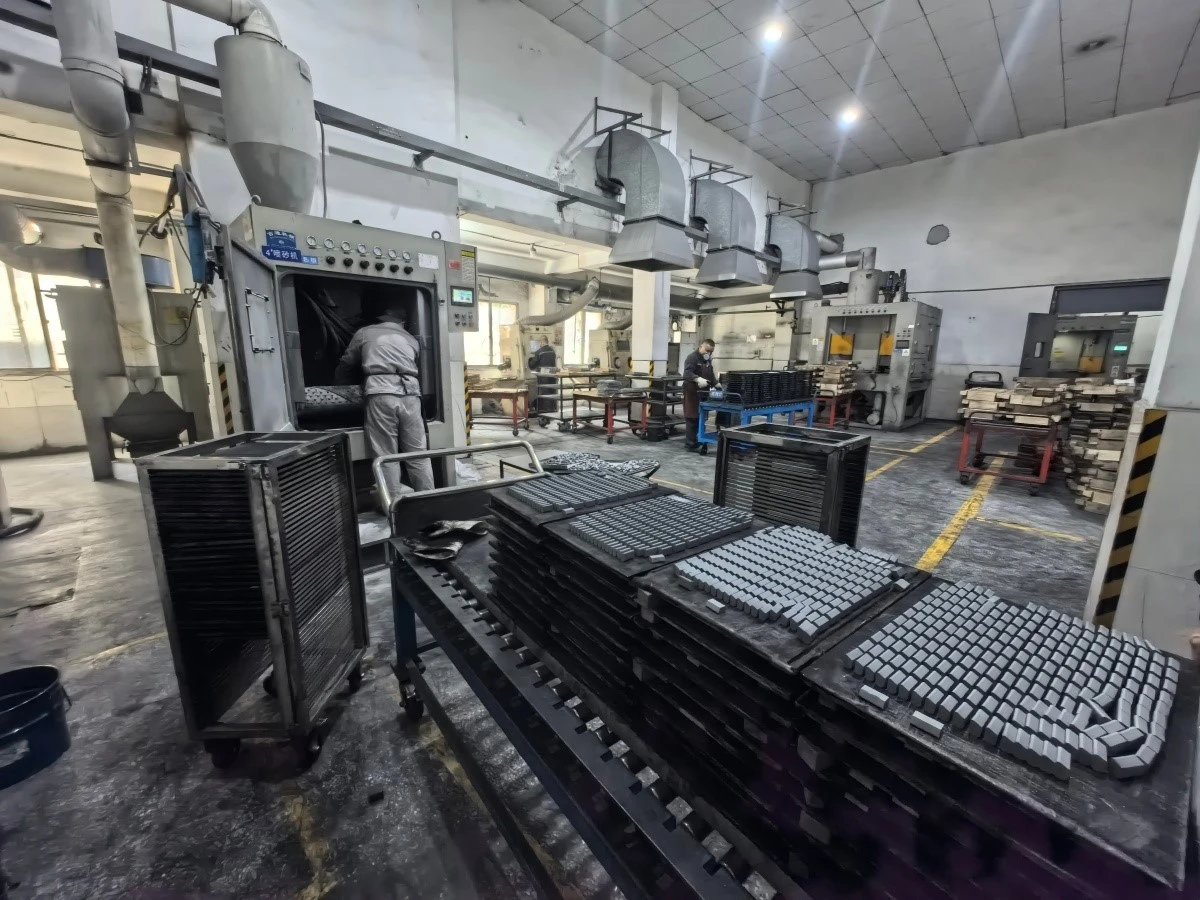
Kunshan Zhiyi Dingli Cemented Carbide Tool Co., Ltd. is a trusted manufacturer of coal mining teeth (pick inserts) for coal mining machines, roadheaders, and tunneling equipment. Our coal mining teeth combine 35CrMo alloy steel bodies welded with YG11C tungsten carbide ball teeth, delivering outstanding hardness, impact resistance, and abrasion resistance for coal cutting and hard rock mining operations. Engineered for maximum service life and cutting efficiency, our teeth help mining operations reduce tool replacement costs and downtime.
Our factory produces coal mining teeth in over 120 standard types matching all major coal mining machine and roadheader brands. Combining induction welding of YG11C carbide inserts with precision-machined 35CrMo steel bodies, we ensure strong bonding and long service life. Monthly production capacity exceeds 40,000 pieces, serving coal mining operations in China, Russia, Indonesia, and other major mining markets.




Testing Machine

Production Flow Chart

Packing & Delivery
Packing
1>Put the goods encased with plastic bag or plastic case in wooden box/carton/iron box, etc.
2>Other packing will be accept according to your needs.


FAQ
Q1: What materials are your coal mining teeth made of?
A1: Our teeth combine 35CrMo alloy steel bodies with YG11C tungsten carbide inserts welded for maximum strength.
Q2: What is the typical service life?
A2: Our teeth typically last 2–3× longer than conventional picks in the same mining conditions.
Q3: Can you produce custom teeth?
A3: Yes, custom profiles can be developed from drawings or samples within 15–20 working days.
About Color Aberration
Product pictures are all physical photography, due to photo-taking technology, light, display parameters, etc., there may be differences between the received physical objects and photos, please refer to the physical.
Cargo Receipt
All our products go through strict inspection and count before shipment. Please check the goods in person when they receive them.
Please refuse to sign and contact us if you find that the CTN number and model is wrong or the product is damaged in transit.
Hot Tags: coal mining teeth, China coal mining teeth manufacturers, suppliers, factory, Brazed Chip Button, carbide mining, Coal Mining Teeth, Composite Matrix, Mine Engineering Drill Teeth, Oil Exploitation Drilling Bit Teeth