


In the fields of oil, gas, and geothermal energy exploration and development, drill pipes, as one of the core tools in drilling operations, play a crucial role. They not only bear the power for rotary drilling but also are responsible for transporting drilling fluid, maintaining wellbore stability, and extracting core samples. We will comprehensively introduce the knowledge related to drill pipes from aspects such as their basic structure, material selection, performance requirements, usage and maintenance, and development trends.

Drill pipes are typically composed of a pipe body, a joint, and threads. The pipe body is the main part of the drill pipe, usually made of seamless steel tubes, with different wall thicknesses, inner diameters, and outer diameters depending on the usage requirements. The joints are located at both ends of the pipe body and are used to connect adjacent drill pipes or connect the drill pipe with other downhole tools, usually made of high-strength alloy steel to enhance connection strength and wear resistance. The threads are the key for connection between the joints and the pipe body or between joints, divided into internal and external threads. Through precise processing, they ensure a tight fit and prevent fluid leakage and torque loss.
The working environment of drill pipes is extremely harsh, requiring them to withstand high pressure, high temperature, corrosion, and challenges from complex geological conditions. Therefore, the selection of materials is crucial. Early drill pipes mostly used low-carbon steel or medium-carbon steel, but with technological advancements, advanced materials such as high-strength low-alloy steel (HSLA steel), stainless steel, and titanium alloys have been applied. HSLA steel, due to its good balance of strength and toughness, has become the mainstream material for drill pipe manufacturing; stainless steel and titanium alloys are particularly suitable for oil and gas fields with hydrogen sulfide and other corrosive gases.
1. High Strength: Drill pipes need to have sufficient tensile strength and yield strength to withstand the huge axial and torque loads during drilling.
2. Good Toughness: In low temperatures or impact loads, drill pipes should maintain good toughness to prevent brittle fractures.
3. Corrosion Resistance: For specific geological conditions, drill pipes need to have corresponding corrosion resistance to extend their service life.
4. Sealing: The threaded connection must ensure good sealing performance to prevent fluid leakage and affect drilling efficiency and safety.
5. Wear Resistance: The surface of the drill pipe needs to have certain wear resistance to reduce wear and increase service life.
Correct use and maintenance of drill pipes are crucial for ensuring the smooth progress of drilling operations. Before use, a comprehensive inspection of the drill pipe should be conducted, including damage to the appearance, wear of the threads, and material degradation. During drilling, reasonable control of drilling pressure, rotational speed, and drilling fluid flow rate should be maintained to avoid overloading. When storing drill pipes, anti-corrosion measures should be taken, such as coating with anti-rust oil or storing in a dry and ventilated environment. Additionally, regular non-destructive testing (such as ultrasonic testing, magnetic particle testing) and thread repair are important means to extend the service life of drill pipes.
As oil and gas exploration advances to deeper, farther, and more complex formations, higher performance requirements have been imposed on drill pipes. Future developments in drill pipe technology will focus on the following aspects:
Application of New Materials
The development of new materials with higher strength, better corrosion resistance, and lighter weight, such as super duplex stainless steel, nano-composite materials, etc.
Intelligent Design
Utilizing Internet of Things and big data technologies to achieve real-time monitoring and early warning of drill pipe status, improving the safety and efficiency of drilling operations.
Environmental Protection and Energy Saving
Developing biodegradable or easily recyclable drill pipe materials to reduce environmental impact; optimizing the drilling fluid circulation system to reduce energy consumption.
Adaptability to Special Working Conditions
Developing specialized drill pipes for extreme environments such as polar regions, deep sea, high temperature, and high pressure to enhance operational capabilities.
In conclusion, the drill pipe, as a key equipment in drilling operations, its performance directly determines the success or failure of the drilling process. With the advancement of technology and the upgrading of demands, drill pipe technology will continue to be innovated, providing strong support for the efficient and safe development of oil and gas resources.
■ Application fields
Oil drilling, screw drilling tools.
■ Operating conditions of TC bearings
High pressure, corrosion, wear.
■ Characteristics of TC bearings
Malleability: The surface weld layer alloy block has high hardness and can resist wear by particle media.
Corrosion resistance: Made of nickel-based alloy, with excellent corrosion resistance.
Long service life: Different weld layer formulations are selected for different harsh operating conditions to enhance service life.
■ Solution
The TC bearings are fabricated using PTA and vacuum fusion infiltration technology, ensuring their wear resistance and service life under various operating conditions.

Assembly Diagram

SPEC

Application Scenario Reference Diagram

SPEC
|
Material |
YG8 grade tungsten carbide + 410 steel |
|
Surface |
Polished |
|
Chemical Composition |
8% Co & 91% WC & 1% other |
|
Grain Size |
1.2 μm |
|
Hardness (HRA) |
≥90 |
|
Magnetic Force |
23 (KA/M) |
|
T.R.S |
3200 (N/mm2) |
|
Magnetic Saturation |
10.3 (Ms) |
|
Purpose |
Drilling Pipes and Drill Valves for Oil and Natural Gas |
|
Density |
14.6 (g/cm3) |
Hot Products

Company Information
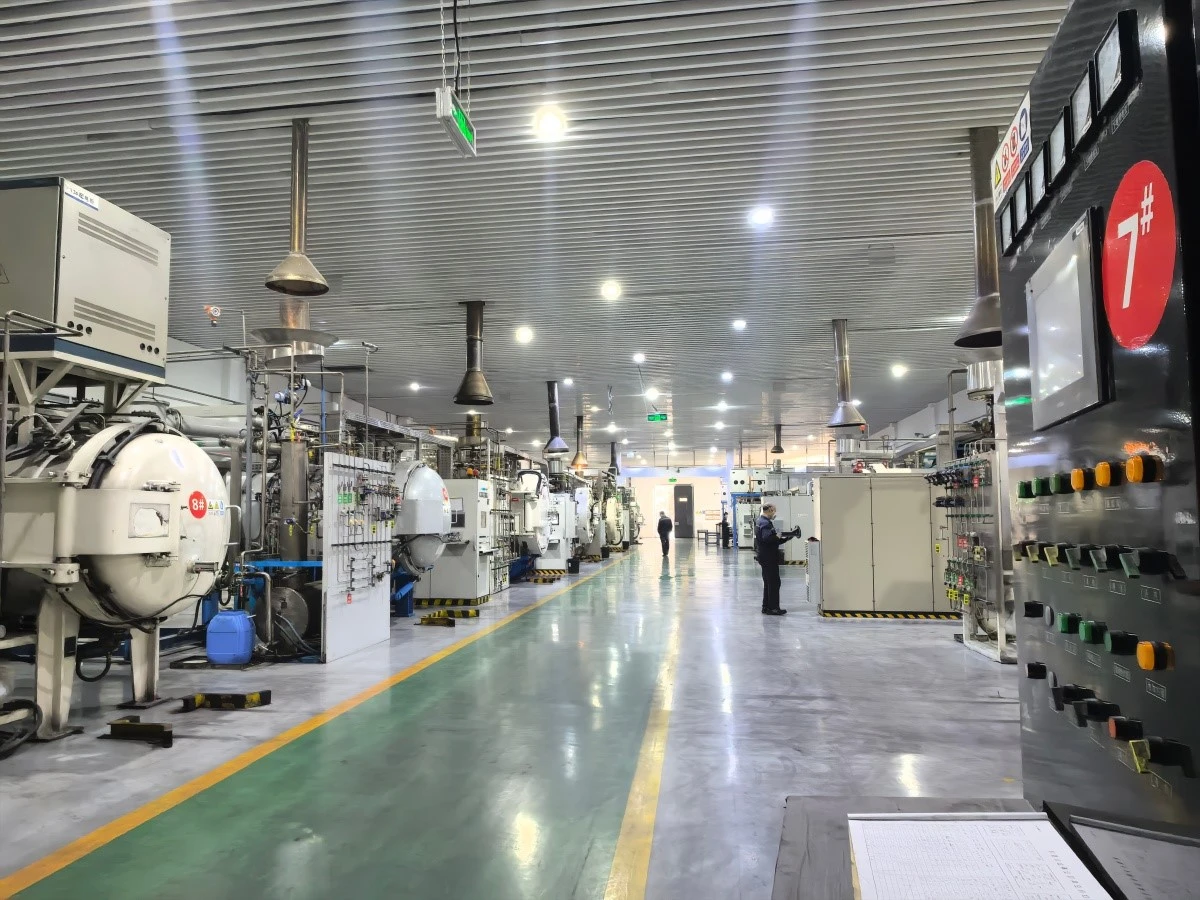
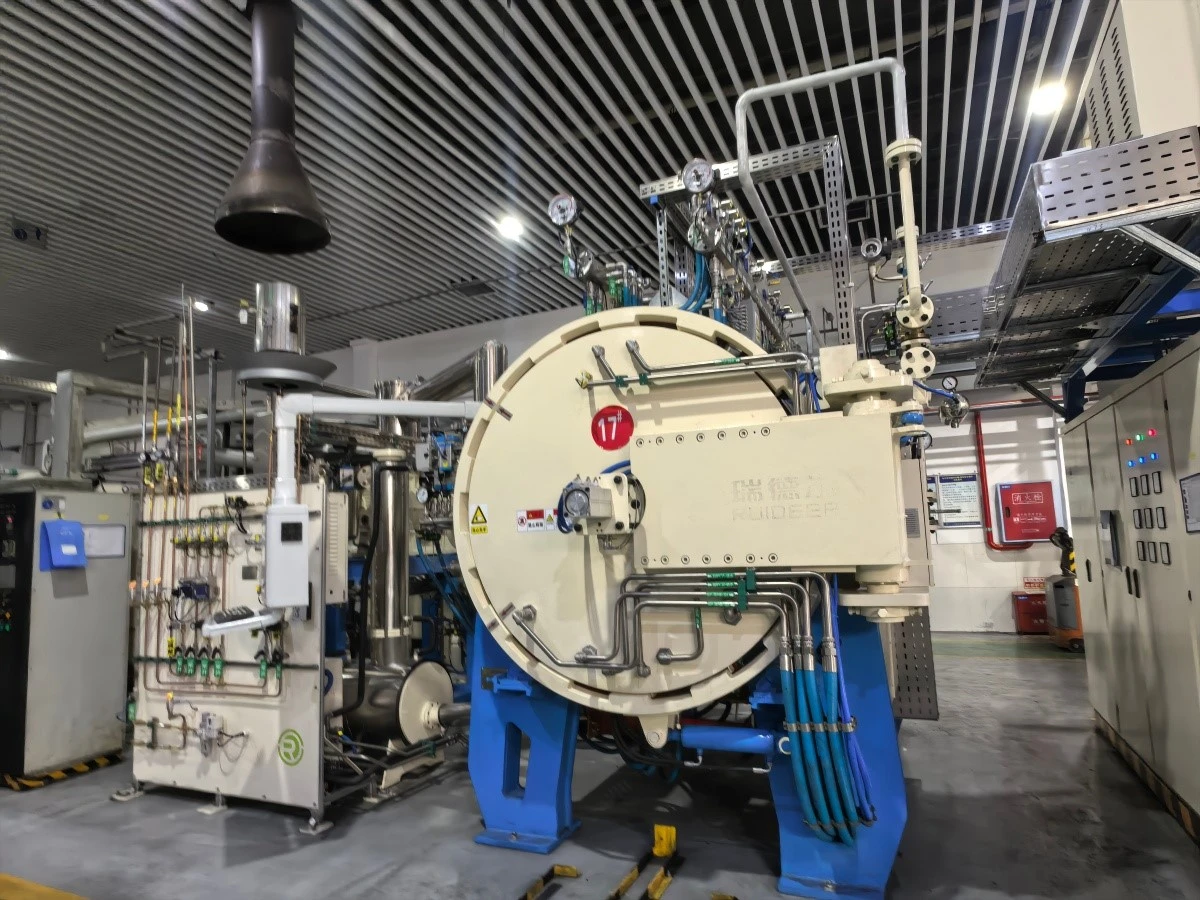
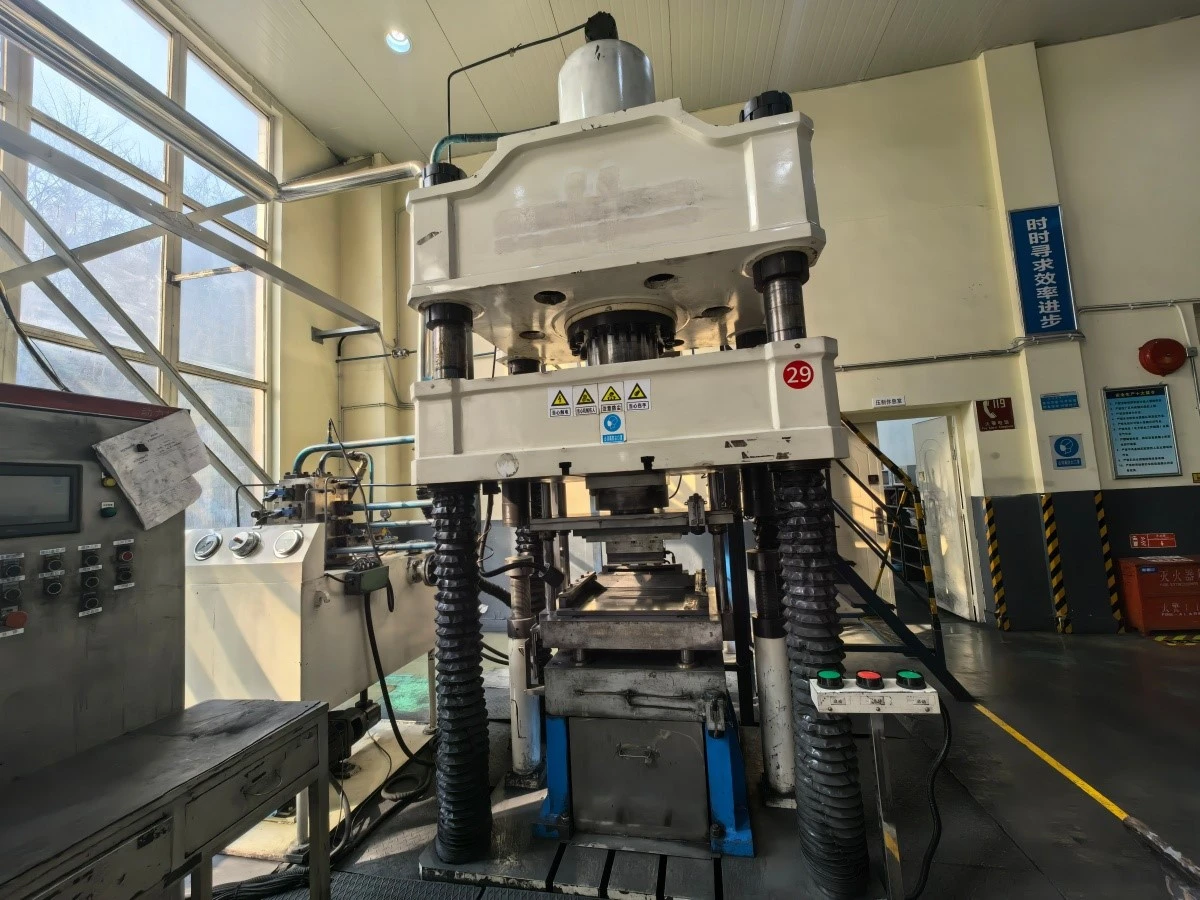
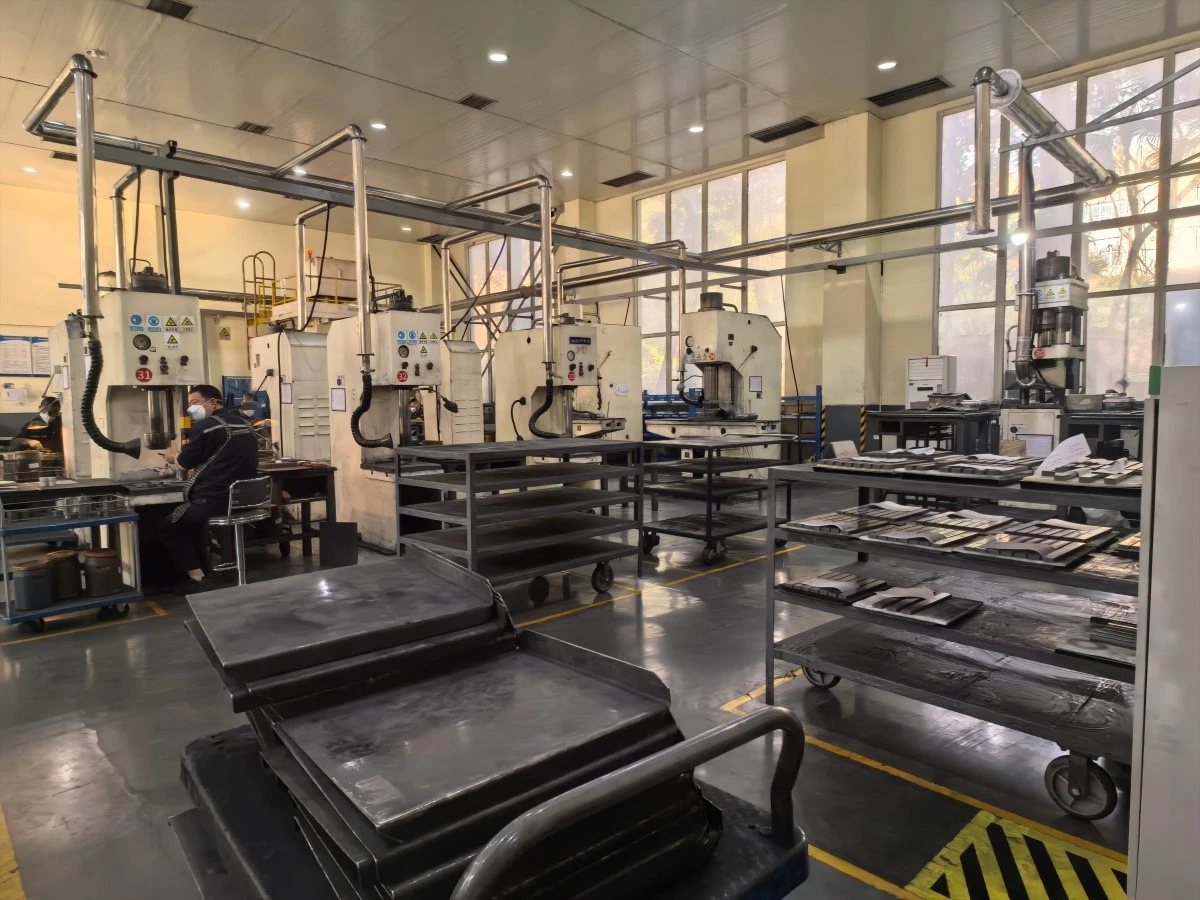
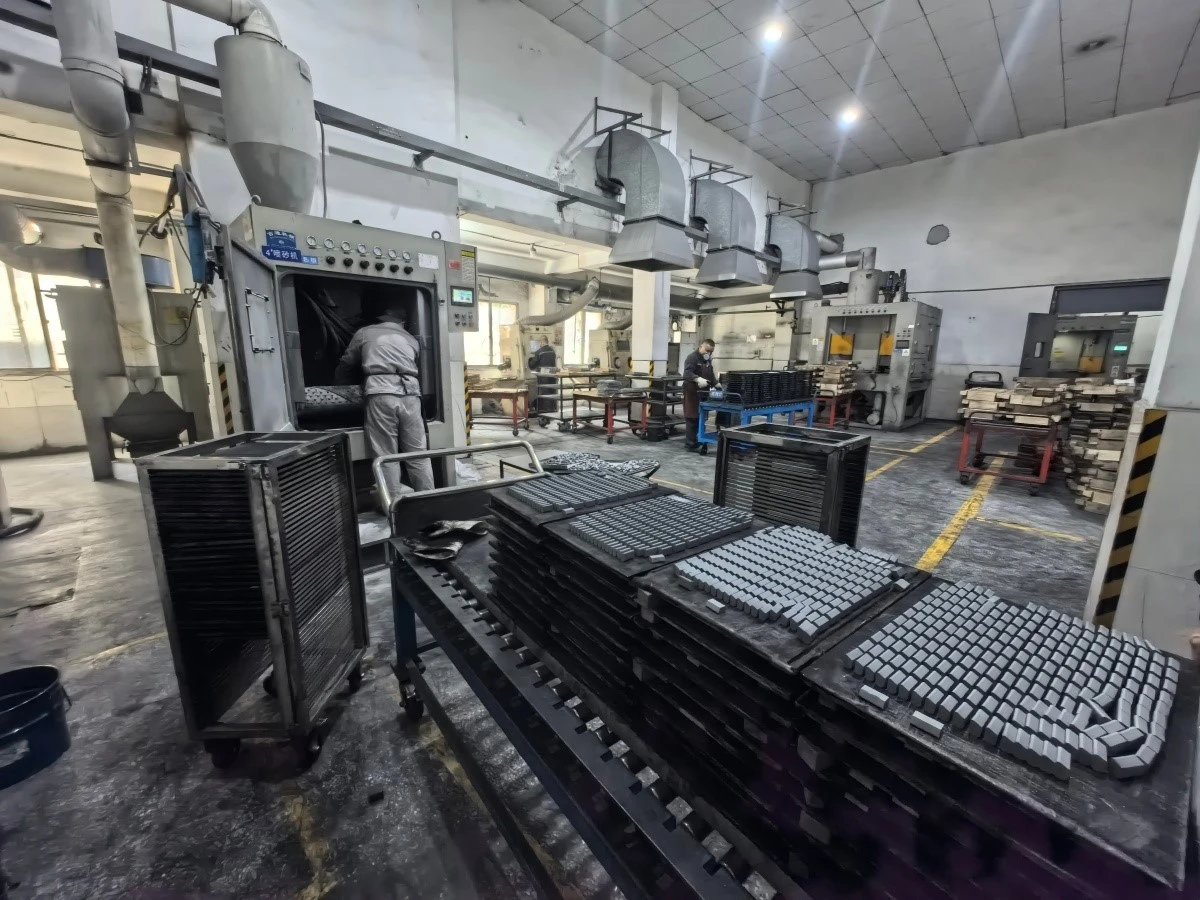
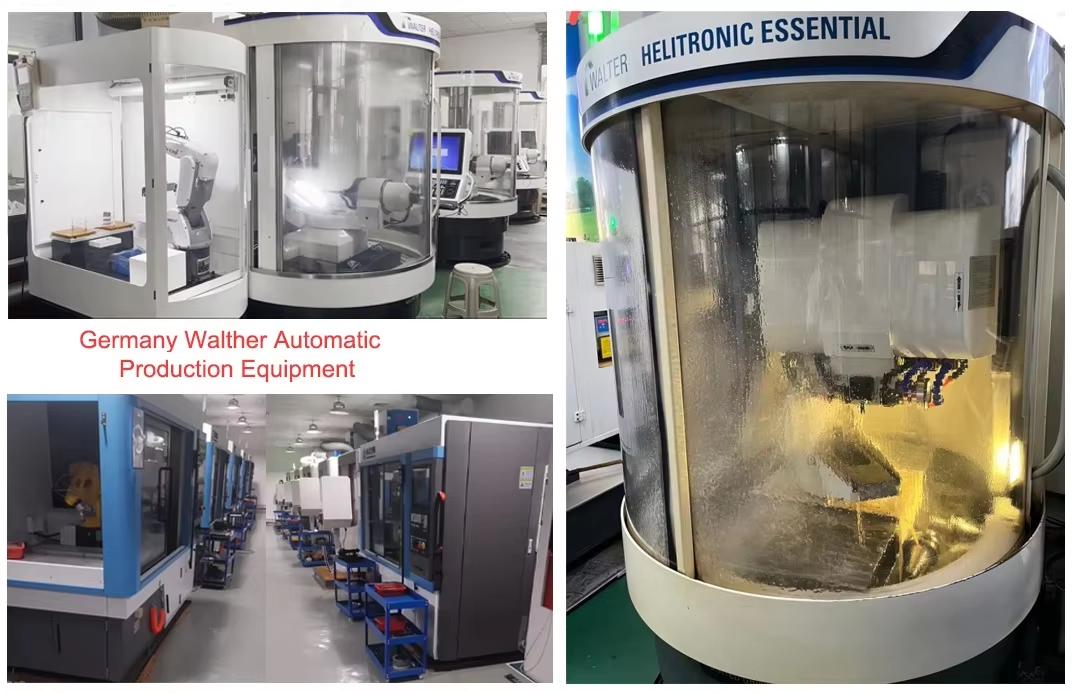
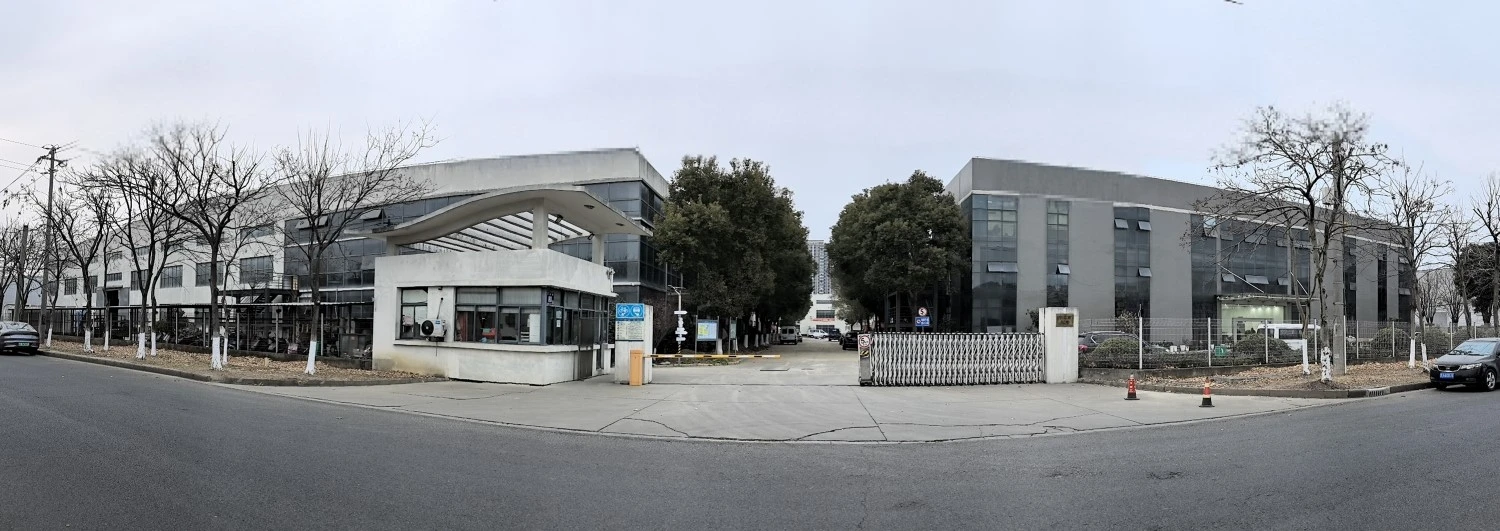
Kunshan Zhiyi Dingli Cemented Carbide Tool Co., Ltd. locates the famous domestic tool and machinery equipment production base - Suzhou. The factory is mainly working on the production and development of all kinds of carbide tools, like end mill, tap, drill bits, carbide pilots. In China, our goal is to become the central base of manufacture of die-casting rods, carbide boring bar, standard cutters, non standard cutters and hard-machining cutters, establishing a good and healthy company image among coterie.
At present,the company can. In general, our products can be used in manufacture of mould, electronics, car engine and accessories, petroleum machinery, machinofacture, etc. We have stable customers, such as the United States, Russia, Indonesia, South Korea, Japan, Australia and so on.



Testing Machine

Production Flow Chart

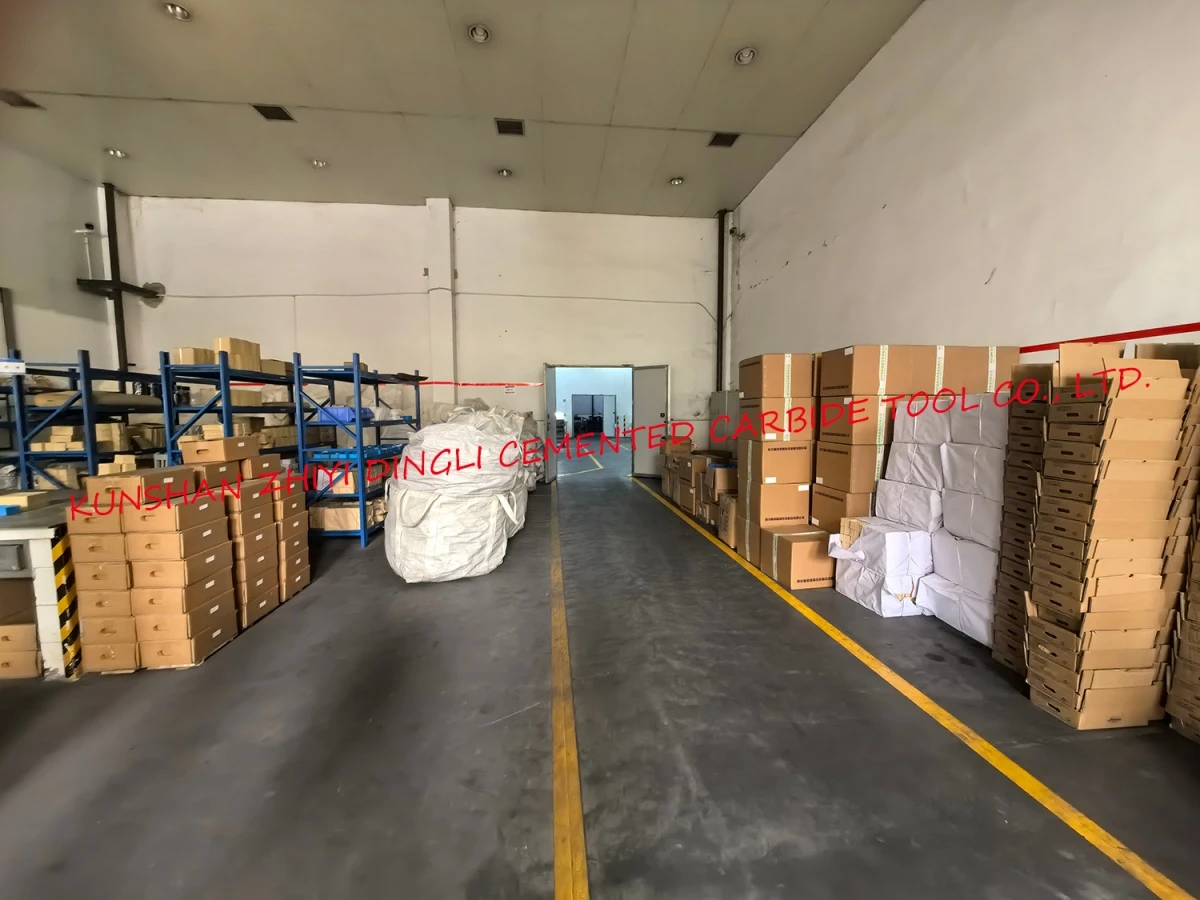
Packing & Delivery
Packing
1>Put the goods encased with plastic bag or plastic case in wooden box/carton/iron box, etc.
2>Other packing will be accept according to your needs.


FAQ
Q1: How long is your delivery period?
A1: It depends on specific conditions. However, it could be 10 to 15 days on average.
Q2: Do you offer samples?
A2: Yes, we do offer samples. However, buyers need to pay for the freight charge. In addition, whether samples are free or not depends on the quantity you buy.
Q3: How do you pack the products?
A3: In general, we use wood, plastic or carton boxes. We also put some soft materials inside to prevent possible damage on products.
Q4: How much advance payment do I need to make?
A4: If the products you buy are in stock, you need to make full payment; if the products are out of stock, you need to make about 50 percent of full payment and then we will start the production process. However, you still need to pay the rest of charges before we deliver the products.
Q5: What kinds of payment do you accept?
A5: In addition to the patterns of payment shown above, you can discuss with us about in which way you would like to pay.

About Color Aberration
Product pictures are all physical photography, due to photo-taking technology, light, display parameters, etc., there may be differences between the received physical objects and photos, please refer to the physical.
Cargo Receipt
All our products go through strict inspection and count before shipment. Please check the goods in person when they receive them.
Please refuse to sign and contact us if you find that the CTN number and model is wrong or the product is damaged in transit.
Hot Tags: drilling pipes and drill valves, China drilling pipes and drill valves manufacturers, suppliers, factory


